





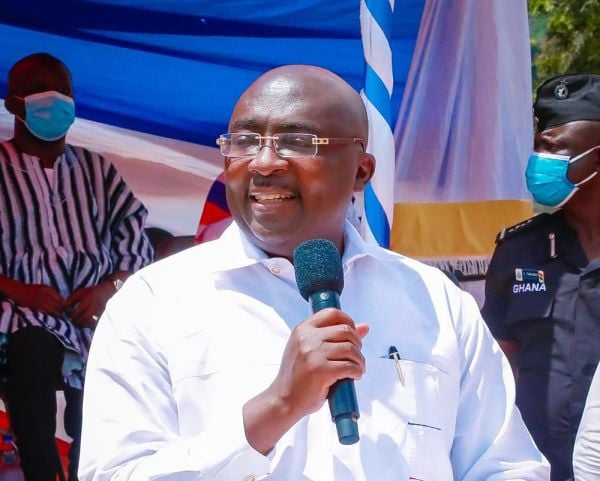
Vice President Dr. Mahamudu Bawumia has taken to the spotlight to defend the New Patriotic Party’s (NPP) management of the Ghanaian cedi, particularly in light of the currency’s depreciation. During a recent campaign event, he argued that although the cedi has depreciated under the NPP administration, the extent of the decline is less severe than that experienced during the years of the National Democratic Congress (NDC). He highlighted a statistical comparison, noting that the NPP’s management saw a depreciation of 72% over eight years, while the NDC witnessed a slightly higher depreciation rate of 74%. This defense comes amidst a backdrop of challenging global circumstances which Dr. Bawumia claims have complicated the economic landscape.
Dr. Bawumia emphasized that the NDC’s 74% depreciation occurred in a period devoid of significant global disruptions, specifically referencing the absence of crises such as the COVID-19 pandemic, the ongoing Russia-Ukraine war, and the broader global economic recession. His assertion pointedly underscores the complexities that the NPP has faced, suggesting that external factors exacerbated the challenges of currency management during their tenure. He argued that the ability of the NPP to manage the depreciation of the cedi even under such pressures reflects a more effective approach to economic governance, distinguishing it from the previous administration’s record.
In his critique, the Vice President continued to cast doubt on the NDC’s economic strategies, claiming that they lack a comprehensive understanding of the mechanisms behind currency performance assessments. He contended that the depreciation of a currency cannot be evaluated in isolation and that external economic conditions must be factored into any appraisal. The suggestion is clear: the NPP has navigated more turbulent waters and, through effective management, has mitigated the potential negative impacts on the cedi.
Dr. Bawumia’s message appeared aimed not only at discrediting the NDC’s past economic performance but also at solidifying the NPP’s narrative of resilience in the face of adversity. He continued to reiterate that the NPP remains committed to stabilizing the cedi and, by extension, the overall economy. Ghanaians were urged to take a broader view when assessing the performance of their national currency, arguing that understanding the complexities of the current economic climate is crucial for informed public discourse.
In advocating for the NPP’s record, Dr. Bawumia portrayed the party as a steward of the economy that shows a willingness to confront and overcome significant challenges through competent leadership. His remarks were strategically crafted to resonate with voters who may feel the pinch of economic hardship, aiming to reassure them of the NPP’s intentions and capabilities. The emphasis on proactive measures against global economic threats served as a cornerstone of his argument, seeking to garner support for the party as it heads into upcoming electoral contests.
Ultimately, Dr. Bawumia’s remarks serve not only as a defense of the NPP’s economic management but also as a strategic campaign maneuver to reinforce its position against opposition narratives. He called upon the electorate to remain vigilant and informed, urging them to recognize the context of economic management and the historical performance of political parties regarding the nation’s currency. This discourse is critical as Ghana navigates its economic future, and the implications of such debates will be felt beyond the electoral cycle, influencing public perception and trust in political leadership.








