





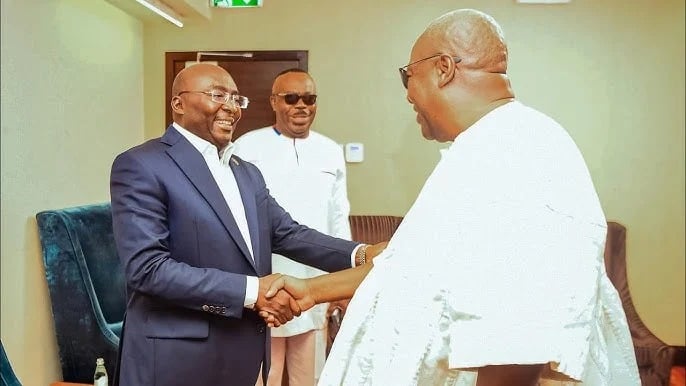
The 2024 Ghanaian presidential election concluded with a concession of defeat by the incumbent Vice President and New Patriotic Party (NPP) flagbearer, Dr. Mahamudu Bawumia, to the former President and National Democratic Congress (NDC) flagbearer, John Dramani Mahama. Dr. Bawumia, in a Sunday morning press conference, acknowledged that data from the NPP’s internal collation of results unequivocally indicated a decisive victory for Mahama. He further stated that the NDC had also secured a majority in the parliamentary elections, pending the final official collation of results by the Electoral Commission (EC). Dr. Bawumia emphasized having personally contacted Mahama to extend his congratulations on his imminent return to the presidency. This swift concession contributes to the peaceful transition of power, a hallmark of Ghana’s democratic process.
Dr. Bawumia’s concession speech highlighted the importance of accepting the will of the people as expressed through the ballot box. He expressed gratitude to all Ghanaians who participated in the electoral process, particularly those who cast their votes for him and the NPP. He commended the Electoral Commission for its role in organizing and overseeing a transparent and peaceful election. This acknowledgement of the EC’s efforts reinforces public trust in the electoral process and contributes to the legitimacy of the outcome. While accepting defeat, Dr. Bawumia also extended congratulations to all newly elected members of Parliament, especially those from the NPP, emphasizing the importance of their roles in representing their constituents and contributing to the governance of the country.
The 2024 election marked a significant turning point in Ghanaian politics, with Mahama’s return to power after a single term out of office. The results suggest a shift in public sentiment and a desire for change in leadership. While the specifics of policy changes under the incoming Mahama administration remain to be seen, the election outcome signifies a mandate for a new direction and a renewed focus on addressing the concerns of the electorate. This transition underscores the dynamism of Ghanaian democracy and the capacity for peaceful shifts in power based on the expressed will of the people.
Mahama’s victory signifies the culmination of a vigorous campaign focused on addressing economic challenges, improving social services, and strengthening democratic institutions. The NDC’s campaign resonated with voters who sought alternative solutions to the prevailing economic conditions and sought renewed focus on social development initiatives. The parliamentary majority secured by the NDC further empowers Mahama to implement his agenda and pursue his policy objectives. The election results represent a clear mandate for the NDC and a call for a responsive and accountable government that addresses the needs of the Ghanaian people.
The peaceful transfer of power from the NPP to the NDC reinforces Ghana’s reputation as a beacon of democracy in Africa. The swift concession by Dr. Bawumia and his acknowledgment of Mahama’s victory averted potential post-election tensions and reaffirmed the commitment to democratic principles. This smooth transition sets a positive example for other nations in the region and underscores the importance of respecting the outcome of free and fair elections. It also highlights the maturity of Ghana’s democratic institutions and the commitment of its political leaders to upholding the rule of law.
As Ghana ushers in a new era under Mahama’s leadership, the focus will shift towards addressing the challenges facing the nation and fulfilling the promises made during the campaign. The incoming administration will need to address economic concerns, improve access to quality education and healthcare, and create employment opportunities for the youth. The NDC’s parliamentary majority will provide a platform for legislative action and policy implementation, allowing the government to pursue its agenda and deliver on its commitments to the Ghanaian people. The success of the new administration will depend on its ability to effectively address these challenges and build a more prosperous and equitable future for all Ghanaians.








