





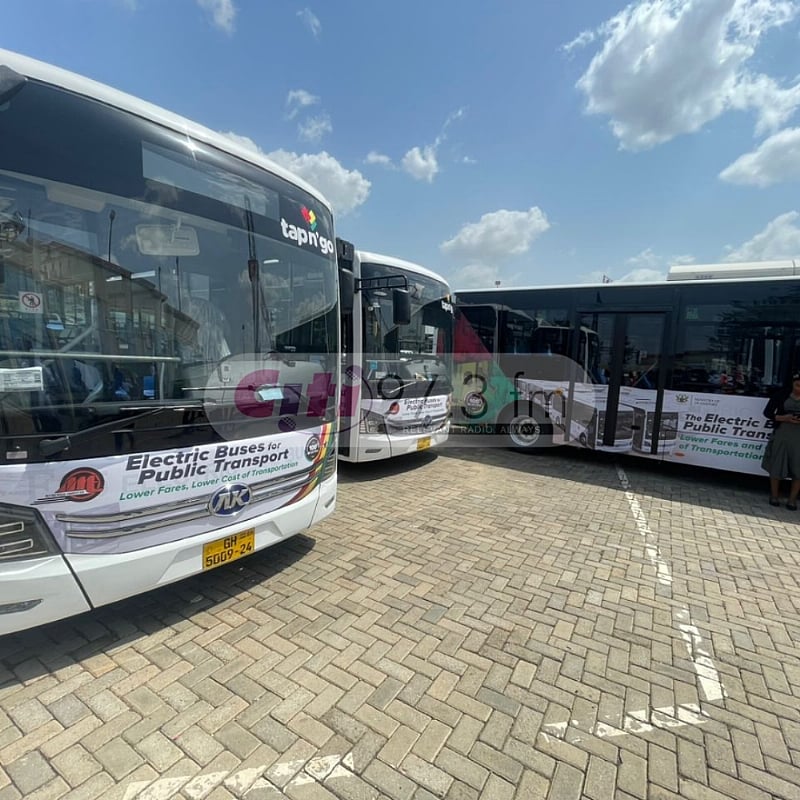
On November 27, 2024, Vice President Dr. Mahamudu Bawumia officially inaugurated Ghana’s first fleet of electric buses, heralding a significant milestone in the modernization of the country’s public transportation system. This initiative aligns with Dr. Bawumia’s vision of integrating electric vehicles (EVs) as a cost-effective alternative in the transport sector and comes as part of Ghana’s broader strategy to embrace sustainable and environmentally friendly technologies. As the buses enter a phase of test operations shortly after their inauguration, the government aims to carefully evaluate their performance and potential impact on public transit in the country.
During the launch event, the Managing Director of Metro Mass Transit Limited (MTTL), Albert Adu Boahen, highlighted several measures implemented to ensure the effective operation of the new electric buses. With plans to deploy these buses on various key routes including the Oyibi-Accra highway and the Accra-Amasaman corridor, the introduction of electric buses is projected to cut operational costs by an impressive 40%. This significant reduction is anticipated to enhance the efficiency of public transport systems, allowing for the reinvestment of savings into expanding services and improving overall quality.
Adu Boahen emphasized that part of the savings generated from operating electric buses would directly benefit passengers through lower fares, ensuring that public transport remains both affordable and sustainable. Additionally, he highlighted the enhanced passenger experience that electric buses offer. These vehicles promise a quieter and smoother ride, potentially attracting more users to public transportation. Recognizing the evolving preferences of passengers within the diversified road transport market, MTTL is committed to adapting its operations accordingly.
To support the successful integration of the electric buses into the public transport framework, MTTL also plans to establish auxiliary facilities, including charging points at all Metro Mass Transit stations across the capital city. The implementation of these necessary infrastructures is essential in ensuring that the electric fleet operates effectively and sustainably. By preemptively planning for the required charging features, the management aims to mitigate any operational challenges that could arise during the transition to electric vehicles.
The introduction of these electric buses represents more than just a shift in vehicle technology; it signifies a broader commitment to adopting environmentally conscious practices within Ghana’s transportation sector. As urban areas continue to expand, and public transit demand increases, the shift towards electric buses demonstrates a proactive approach to addressing urban congestion and reducing carbon emissions. This move aligns with global trends where cities are increasingly investing in cleaner transportation options to combat pollution and achieve sustainable development goals.
Overall, the inauguration of Ghana’s first fleet of electric buses signifies an important step towards modernizing public transportation in the country. With anticipated cost savings, improved passenger experiences, and a commitment to sustainability, this initiative has the potential to transform the transport landscape in Ghana. As the electric buses commence test operations, stakeholders within the transportation sector, government, and general public will be keenly observing their performance and impact, setting a precedent for future advancements in Ghana’s quest for a more efficient and eco-friendly transit system.








