The Rise of Bawumia and the NPP’s Future
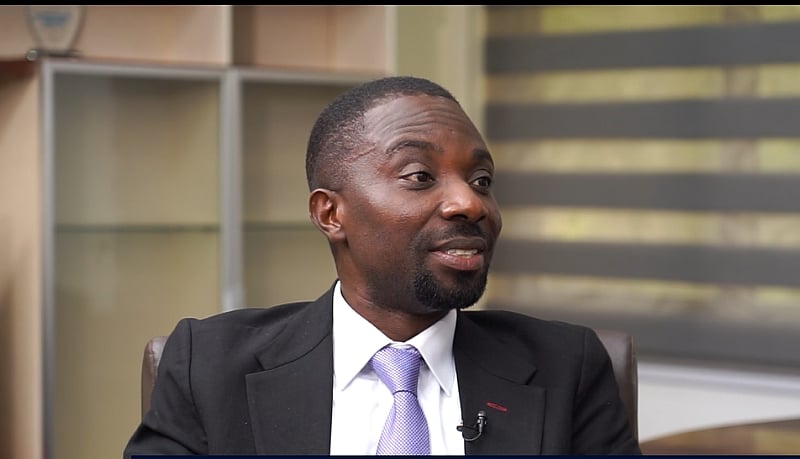
Dennis Miracles Aboagye, a prominent figure within the New Patriotic Party (NPP) and Director of Communications for the Bawumia Campaign Team, has articulated a strong belief in Dr. Mahamudu Bawumia’s leadership capabilities and his suitability to lead the party to victory in future elections. Aboagye’s conviction stems from Bawumia’s demonstrated qualities, which he perceives as crucial for Ghana’s continued development and progress. He argues that Bawumia possesses the vision, competence, and innovative thinking needed to steer the nation forward. This confidence extends beyond the immediate 2024 election cycle, with Aboagye expressing certainty that the NPP will continue to rally behind Bawumia should he choose to contest again in 2028. This unwavering support, according to Aboagye, reflects the party’s recognition of Bawumia’s unique attributes and their importance in shaping Ghana’s future.
Aboagye’s assertions underscore a broader theme of resilience and perseverance within the Bawumia narrative. He points to Bawumia’s previous experiences as a running mate in the 2008 and 2012 elections, where he faced defeat alongside then-candidate Nana Akufo-Addo. These setbacks, Aboagye argues, have not deterred Bawumia but have instead provided him with valuable experience and strengthened his resolve. This narrative of bouncing back from adversity serves to reinforce the image of Bawumia as a determined and persistent leader, capable of learning from past experiences and adapting to new challenges.
The 2024 election results, however, presented a significant hurdle for Bawumia and the NPP. John Dramani Mahama of the National Democratic Congress (NDC) emerged victorious, securing a convincing win with 56.55% of the valid votes cast. Bawumia trailed behind with 41.61%, marking a clear defeat for the NPP. This outcome raises important questions about the future direction of the NPP and the role Bawumia will play in shaping that future. While Aboagye remains steadfast in his belief in Bawumia’s leadership, the party will need to carefully analyze the factors that contributed to their loss and strategize for future electoral success.
The NDC’s Resurgence and Mahama’s Mandate
Mahama’s victory represents a significant resurgence for the NDC and a clear mandate for his leadership. Not only did he secure a comfortable margin of victory in the presidential race, but the NDC also achieved a commanding majority in Parliament, capturing over 180 seats. This includes several constituencies previously considered strongholds of the NPP, signifying a shift in the political landscape. The combined victory in both the presidential and parliamentary elections strengthens Mahama’s position and provides him with a solid foundation to implement his agenda. The NDC’s success can be attributed to various factors, including their ability to mobilize their base, effectively communicate their message to the electorate, and capitalize on the perceived shortcomings of the incumbent government.
The outcome of the 2024 election has significant implications for Ghana’s political future. Mahama’s return to the presidency marks a new chapter in the country’s political narrative, and his leadership will be closely scrutinized as he navigates the challenges and opportunities facing the nation. The NDC’s strong majority in Parliament provides a platform for them to advance their legislative priorities and shape the country’s policy direction. However, it also carries the responsibility of ensuring effective governance and addressing the needs of all Ghanaians, regardless of their political affiliations. The next four years will be a crucial period for Ghana, as the country seeks to consolidate its democratic gains and address critical issues such as economic development, social justice, and national unity.
The Road Ahead for Bawumia and the NPP
The NPP now faces the task of introspection and rebuilding after their electoral defeat. While Aboagye’s confidence in Bawumia’s leadership remains unwavering, the party will need to engage in a thorough assessment of their performance and identify areas for improvement. This includes analyzing their campaign strategy, addressing internal divisions, and reconnecting with the electorate. The NPP’s ability to adapt and evolve will be crucial for their future success. They will need to articulate a compelling vision for the future that resonates with the aspirations of Ghanaians and demonstrates their commitment to addressing the challenges facing the nation.
Bawumia’s future within the NPP remains a key question. While he has faced setbacks in his political career, he has also demonstrated resilience and a capacity for growth. The party will need to decide whether to continue investing in his leadership and provide him with the opportunity to lead them in future elections. This decision will likely depend on various factors, including Bawumia’s own ambitions, the party’s internal dynamics, and the evolving political landscape. The NPP’s ability to navigate these complexities and emerge stronger from their electoral defeat will be crucial for their long-term viability and their ability to compete effectively in future elections.
The Importance of Democratic Processes
The peaceful transfer of power from the NPP to the NDC underscores the strength and maturity of Ghana’s democratic institutions. The ability of competing political forces to contest elections, accept the results, and transition power smoothly is a testament to the country’s commitment to democratic principles. This commitment to democratic processes is essential for fostering stability, promoting good governance, and ensuring the peaceful resolution of political differences. Ghana’s continued success as a democratic nation will depend on its ability to uphold these principles and strengthen its democratic institutions.
Challenges and Opportunities for Ghana
The 2024 election marks a turning point for Ghana, presenting both challenges and opportunities. The new government will face a range of complex issues, including economic instability, social inequality, and the need to strengthen democratic institutions. Addressing these challenges effectively will require strong leadership, sound policies, and broad-based participation from all segments of society. Ghana’s ability to overcome these challenges and capitalize on the opportunities before it will determine its trajectory in the years to come.
The Future of Ghanaian Politics
The evolving political landscape in Ghana underscores the dynamic nature of democracy. The outcome of the 2024 election reflects the changing preferences of the