





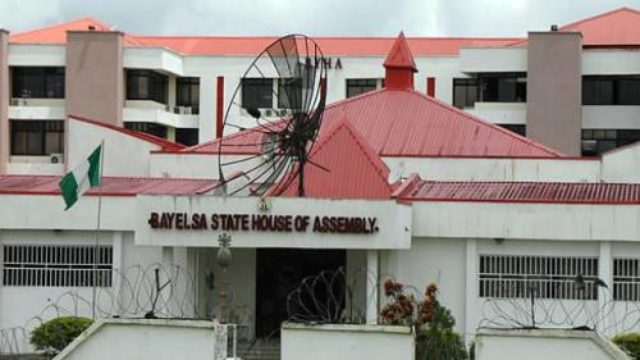
The Bayelsa State House of Assembly has initiated a decisive move to combat the pervasive issue of illegal revenue collection, a practice that has been significantly hindering the state’s financial prosperity. Recognizing the detrimental impact of this illicit activity on the state’s economy and the burden it places on traders and commuters, the House convened a plenary session to address the urgent need for intervention. This action underscores the government’s commitment to fostering a conducive business environment and maximizing its revenue potential. The legislative body aims to restore order and transparency to the revenue collection process, ensuring that funds rightfully due to the state are collected and utilized for public benefit.
The catalyst for this legislative action was a motion introduced by Daniel Charles, representing Brass Constituency 1. The motion, titled “Urgent Call to Halt Unwholesome Activities of Dangerous Illegal Revenue Collection at Swali Waterside Jetty and Other Transport Terminals Across the State,” highlighted the plight of traders and commuters, particularly those from remote local government areas heavily reliant on water transportation. These areas, including Brass, Southern Ijaw, and Ekeremor, lack adequate road networks connecting them to the state capital, Yenagoa, making the Swali Waterside Jetty a crucial transportation hub. The motion brought to the forefront the exploitation faced by individuals utilizing these essential transportation routes due to the unchecked activities of illegal revenue collectors.
Charles emphasized the significant revenue potential of the Swali Waterside Jetty and other transport terminals, lamenting that the state was being deprived of substantial financial benefits due to the prevalence of illegal collections. The motion underscored the financial strain imposed on traders who are forced to bear the brunt of these illicit charges, ultimately impacting the prices of goods and services in the affected local government areas. This situation not only harms the local economy but also discourages legitimate business activities, potentially driving traders to seek alternative routes and further diminishing the state’s revenue base.
The motion received strong support from various members of the House, each highlighting different facets of the problem and its far-reaching consequences. Deputy Speaker Michael Ogbere, representing Ekeremor III, expressed concern over the escalating prices of goods attributed to the activities of illegal revenue collectors. He stressed the urgency of the situation and urged the House and its relevant committees to strengthen their oversight and ensure effective implementation of resolutions aimed at curbing this illegal practice. Ogbere’s remarks highlighted the tangible impact of illegal revenue collection on the everyday lives of citizens, reinforcing the need for swift and decisive action.
Further emphasizing the economic implications, Ayonatiminyo Omubo of Brass Constituency II warned that the ongoing extortion by illegal revenue collectors could severely undermine the state’s internally generated revenue efforts. He pointed out the risk of businesses diverting their goods to other routes to avoid these illicit charges, potentially leading to a significant loss of revenue for the state. Omubo’s contribution underscored the need to protect legitimate businesses and create a favorable environment for economic growth.
George Oteigbanyo of Nembe Constituency I broadened the scope of the discussion, highlighting that the problem of illegal revenue collection extended beyond the Swali Jetty, affecting all jetties across the state. He emphasized the government’s responsibility to protect traders engaged in legitimate business activities from such exploitation. Oteigbanyo’s remarks emphasized the systemic nature of the problem and the need for a comprehensive statewide approach to address it.
Living Mitin of Ekeremor Constituency II raised the crucial issue of double taxation, highlighting the detrimental effect of illegal revenue collection on the business environment. He argued that the practice essentially amounted to businesses being taxed twice, creating an unfair and unsustainable burden. Mitin emphasized the importance of accountability, suggesting that those tasked with overseeing and regulating revenue collection should themselves be subject to scrutiny to ensure transparency and prevent collusion.
In response to the compelling arguments presented during the plenary session, the House passed a resolution urging the Ministry of Trade, Industry and Investment, in collaboration with all relevant agencies, to take immediate action against non-state actors involved in illegal revenue collection at Swali Jetty and other transport terminals across the state. This resolution demonstrates the House’s commitment to addressing the issue promptly and decisively. The focus on inter-agency collaboration underscores the need for a coordinated approach to effectively combat this widespread problem. The resolution aims to restore order and transparency to the revenue collection process, ensuring that the state receives its rightful dues and that traders and commuters are protected from exploitation. The House’s action signals a significant step towards creating a more conducive business environment and fostering sustainable economic growth in Bayelsa State.








