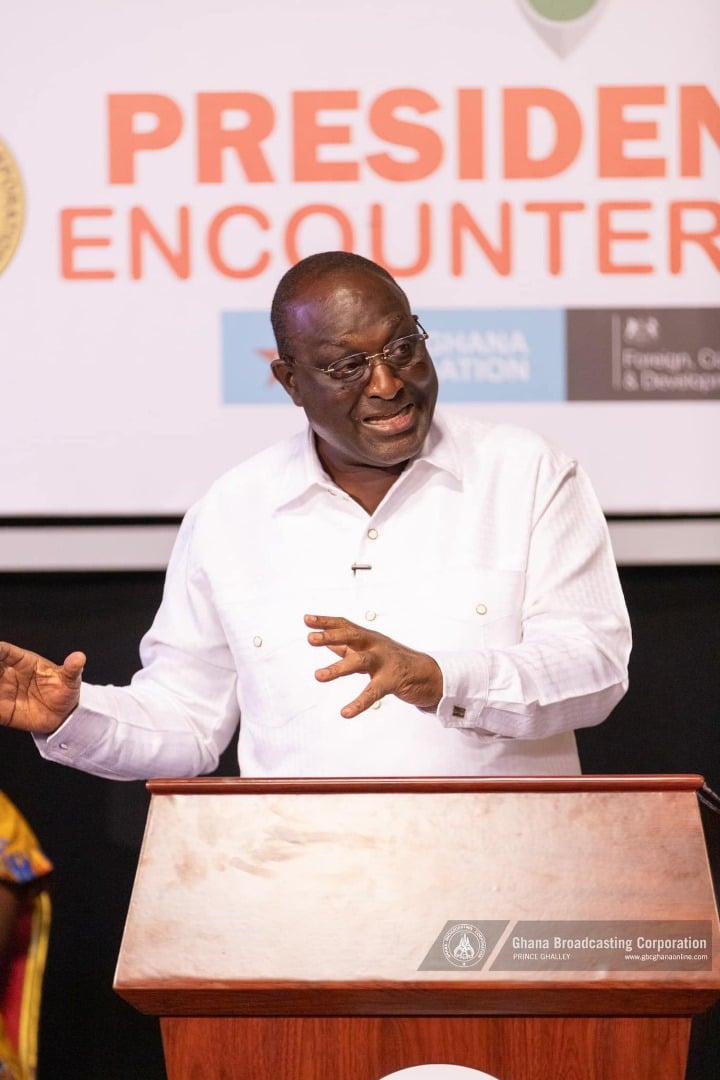
Presidential hopeful Alan Kyerematen has proposed a transformative vision for Ghana’s Free Senior High School (SHS) program, emphasizing the need for reforms to ensure the initiative’s long-term sustainability and efficacy. During the Presidential Encounters 2024 event hosted by the Ghana Broadcasting Corporation on November 22, 2024, Kyerematen expressed strong support for the Free SHS initiative, acknowledging its significance in providing free education to students. However, he raised a crucial concern regarding the program’s future trajectory, asking, “After Free SHS, what next?” He contended that the current structure does not adequately outline pathways for graduates, potentially undermining the policy’s benefits in preparing young people for life after school, whether that involves further education or entering the workforce.
Central to Kyerematen’s proposed reforms is his Great Transformational Plan (GTP), which addresses several critical areas. Financial sustainability is a primary focus, as he called for a thorough evaluation of funding sources to ensure the program can continue to operate without financial strain. He emphasized the importance of securing the financial foundation necessary to support the Free SHS initiative. Further, Kyerematen highlighted significant infrastructure deficits within schools as a major barrier to effective learning. By improving classrooms, dormitories, and teaching facilities, he suggested that the overall quality of education within the Free SHS program could be greatly enhanced.
Curriculum development represents another vital component of Kyerematen’s vision. He questioned whether the existing educational framework prepares students adequately for modern economic challenges and job market demands. By advocating for a curriculum that is responsive to contemporary workforce requirements, he hopes to ensure that students emerge from the program well-equipped with practical skills. Alongside this, he identified the need for comprehensive capacity building for educators, stressing the importance of training teachers and administrative staff to deliver high-quality education and efficiently manage school environments.
A pivotal element of Mr. Kyerematen’s reform strategy is the introduction of a one-year compulsory apprenticeship and internship scheme designed to provide students with practical experience in artisanal and entrepreneurial skills. This initiative aims to empower graduates by helping them identify their strengths and develop skills that are valuable in the job market. Furthermore, Kyerematen proposed governmental support for young entrepreneurs, including access to funding, mentorship, and resources, to foster a new wave of youth-led businesses. He emphasized that creating a climate conducive to entrepreneurship could help address youth unemployment while stimulating economic growth.
To further support graduates, Kyerematen introduced the Health Screening Booths Scheme, which allows graduates to operate health service booths on a work-and-pay basis, thereby earning income while serving their communities. This innovative concept not only creates job opportunities but also seeks to improve healthcare access in underserved regions. Kyerematen also discussed initiatives for those interested in joining national security services and pathways that facilitate the pursuit of higher education by offering financial assistance to alleviate economic barriers for students. This multifaceted approach ensures that graduates who discover their potential during internships have pathways to further their education or transition into full-time roles.
In addition to reforms focusing on secondary education, Kyerematen drew attention to the critical importance of strengthening basic and pre-basic education. He argued that laying a solid educational foundation is essential for preparing students for later stages of education, including SHS and beyond. Moreover, Kyerematen unveiled an ambitious plan to enhance digital access across the country by establishing 100,000 free satellite internet hotspots throughout Ghana, including secondary schools. This initiative seeks to facilitate seamless connectivity for students and educators, fostering a more innovative learning environment. By addressing digital disparities, Kyerematen aims to empower students and content creators who face high data costs.
Ultimately, Alan Kyerematen’s reform proposals for the Free SHS program aim to create a more robust and sustainable educational framework. By addressing issues of financial viability, infrastructure, curriculum relevance, and the transition pathways for graduates, he envisions a model that not only grants access to education but also equips students with the skills, resources, and opportunities they need to thrive post-graduation. Through his Great Transformational Plan, Kyerematen offers a comprehensive and forward-thinking strategy aimed at enhancing the Free SHS policy, ensuring that every graduate is prepared to make meaningful contributions to Ghana’s progress and development.