





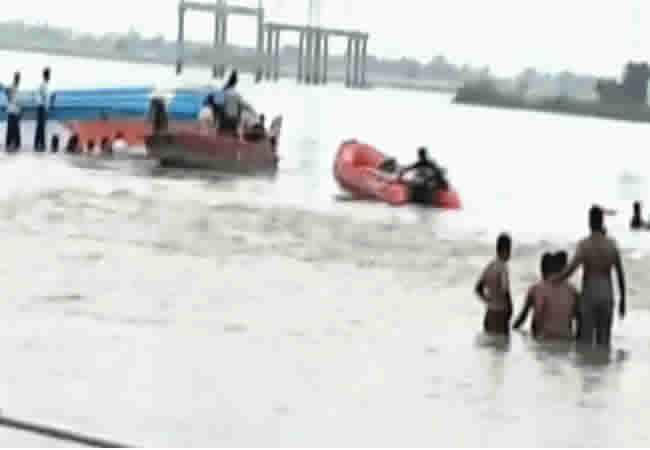
The National Inland Waterways Authority (NIWA) has confirmed a tragic boat accident in which over 200 market women from Kogi State were involved. The incident took place along the Dambo-Ebuchi section of the River Niger as these women were travelling to the Katcha weekly market in Niger State. According to Suleman Makama, the Head of the NIWA’s Media Department, the exact number of casualties is still unknown. Ongoing investigations are aiming to determine both the total number of individuals involved and the incident’s underlying causes, emphasizing the urgency and seriousness of the situation as the women’s livelihoods and lives were put at risk during the journey.
Eyewitness accounts reveal that the boat, owned by an individual identified as Musa Dangana, was carrying over 200 passengers, which included not only market women but also farm laborers. As of the latest updates, eight bodies have been recovered from the river, while ongoing search and rescue efforts strive to locate any remaining passengers who may still be missing. The response to this alarming situation has sparked immediate concerns about waterway safety and the protocols in place to protect those who rely on boats for transportation in the region. The NIWA has pledged to release further details as more information becomes available.
Suleman Makama has indicated that he is awaiting formal clearance from NIWA management to issue a comprehensive official statement regarding the boat mishap. When queried about the expected timeline for releasing such a statement, he mentioned that he is unable to provide a specific timeframe but assured that updates would be communicated as promptly as possible. This lack of immediacy in communication is typical during investigations, yet it raises questions about the urgency of response mechanisms in place for subsequent retrieval and identification of victims in such tragic events.
The Managing Director of NIWA, Mr. Bola Oyebanji, has addressed these accidents at a recent meeting with members of the House of Representatives Committee on NIWA during an oversight visit. He attributed the majority of boat accidents over the past few years to human errors, drug abuse, and non-compliance with established safety regulations. Oyebanji emphasized the critical role that operator accountability and proper training play in ensuring safety on the waterways, noting that 99% of mishaps stem from avoidable mistakes made by boat operators. The alarming nature of these claims suggests a systemic issue that requires immediate remedial action.
Furthermore, Oyebanji cited the alarming trend of operators relying on drugs, significantly impairing their decision-making abilities and increasing the likelihood of dangerous errors during navigation. This point highlights a concerning trend that not only endangers the lives of passengers but also reflects the need for more robust oversight and enforcement of health and safety regulations within the industry. He condemned the common practice of overcrowding boats, where vessels designed to carry far fewer individuals are used to transport excessive numbers, directly contravening established safety standards.
In response to these recurring issues, Oyebanji reiterated NIWA’s commitment to enhancing the safety of Nigerians engaging in water transportation. He highlighted the urgent need for stricter adherence to the recently implemented transportation code, which aims to regulate safety practices more effectively. Furthermore, he pointed out the crucial aspect of passenger safety devices—namely life jackets—which many operators neglect to provide. The confluence of all these factors raises significant concerns about regulatory enforcement and public education, emphasizing that improving safety on the waterways requires a collective effort among operators, regulatory authorities, and the community to ensure that such tragic incidents are not repeated in the future.








