









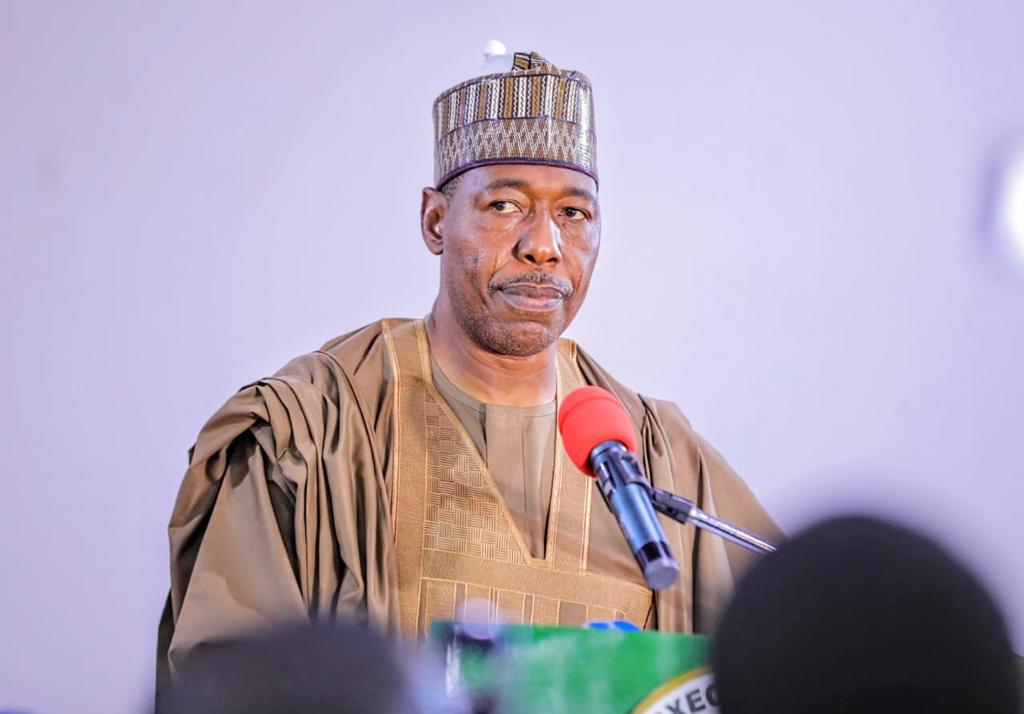
Paragraph 1: Addressing Water Scarcity in Bama, Borno State
Borno State Governor, Babagana Zulum, has initiated a significant infrastructure project aimed at alleviating the persistent challenge of access to potable water in Bama Local Government Area. This initiative marks a crucial step in the ongoing rehabilitation and reconstruction efforts within the region, which has been severely impacted by the Boko Haram insurgency. The governor’s commitment to improving the living conditions of Bama residents is evident in his directive to construct a major water works, promising a reliable and sustainable source of clean water for the community. This intervention holds immense potential for transforming the lives of the people, enhancing public health, and fostering overall development in Bama.
Paragraph 2: Zulum’s Track Record of Water Infrastructure Development
The Bama water works project is not an isolated effort but part of a broader strategy by Governor Zulum to address water scarcity throughout Borno State. His administration has already overseen the completion of nine mega water projects across various local government areas, including Ngarannam, Moramti, Pulka, Chibok, Azare, Madinatu, and Shokwari in Jere, Gowza, Hawul, Chibok, Konduga, and Maiduguri metropolis. This demonstrable commitment to water infrastructure development underscores the governor’s recognition of its fundamental role in improving the quality of life for the citizens of Borno State. The continued investment in these critical projects reflects a proactive approach to tackling a crucial developmental challenge.
Paragraph 3: Beyond Water: Rebuilding Bama’s Infrastructure and Revitalizing its Economy
Governor Zulum’s vision for Bama extends beyond addressing the immediate need for potable water. Recognizing the interconnectedness of various aspects of development, he has also directed the rehabilitation of Bama’s township road networks. This initiative is expected to significantly improve transportation within the area, facilitating the movement of people and goods, and stimulating economic activities. The enhanced road infrastructure will not only connect Bama to other parts of the state but also create opportunities for trade, commerce, and access to essential services, marking a significant step towards restoring the town’s economic vitality.
Paragraph 4: The Governor’s Commitment to Education in Bama
In addition to infrastructure development, Governor Zulum has also prioritized education in Bama. He has ordered the establishment of a high Islamic college in the area, demonstrating his commitment to fostering a holistic approach to education. This institution will not only provide formal education but also integrate non-formal learning, specifically targeting Almajiri education and providing pathways to certification. This integrated approach seeks to empower the youth with comprehensive skills and knowledge, enabling them to contribute meaningfully to society and break the cycle of poverty.
Paragraph 5: Bama’s Recovery and Reconstruction: A Testament to Resilience
Bama, once a thriving community, has faced immense devastation due to the Boko Haram insurgency. The destruction inflicted on the town was widespread and profound. However, under Governor Zulum’s leadership, significant progress has been made in rebuilding efforts, not just in Bama town itself, but also in surrounding areas like Banki, Darajamal, Mayenti, and other settlements. These reconstruction initiatives signify a collective resilience and a determination to reclaim normalcy and prosperity. The governor’s visit to Bama and his pronouncements on these development projects symbolize the hope for a brighter future for the community.
Paragraph 6: A Holistic Approach to Development in Borno State
Governor Zulum’s actions in Bama reflect a comprehensive approach to development that addresses various interconnected needs. His focus on water infrastructure, road rehabilitation, and educational advancement highlights a multi-faceted strategy for revitalizing the community. By tackling these key areas simultaneously, the governor aims to create a synergistic effect, where improvements in one sector contribute to progress in others. This holistic approach is crucial for achieving sustainable and long-term development in Bama and serves as a model for other affected regions in Borno State. The governor’s commitment to these projects signifies a dedication to rebuilding not just the physical infrastructure of Bama, but also the lives and livelihoods of its people. The combined efforts aim to restore hope and create a more prosperous future for a community that has endured tremendous hardship.









