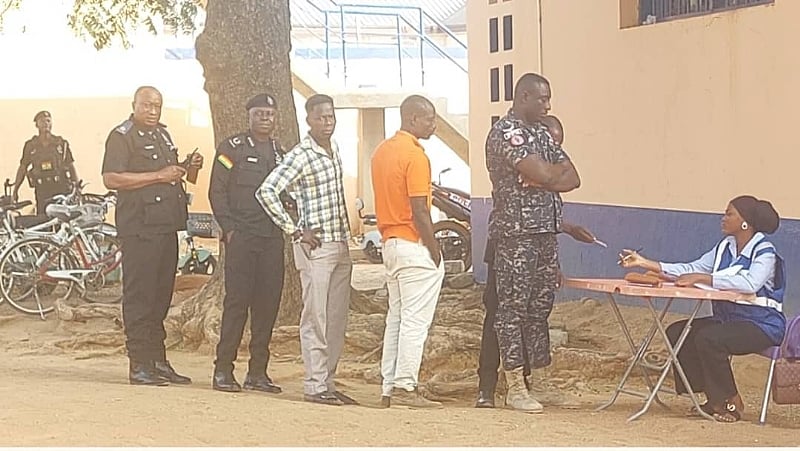
On October 2, the Bawku Central in the Upper East Region of Ghana witnessed an unexpectedly high voter turnout during the nationwide special voting exercise. With 526 registered voters eligible to participate, the turnout reached 405, representing an impressive 77 percent. This turnout was particularly significant given the recent history of violence in the area, which many believed would discourage voter participation. The day began with sporadic gunfire reported in various parts of Bawku township, which raised initial concerns about the safety of voters. However, the situation was swiftly addressed by military personnel, who worked to restore order and provide a secure environment for citizens to exercise their democratic rights.
Despite the tension created by previous violent incidents, many voters demonstrated determination and bravery, defying the dangerous atmosphere to head to the polling stations. This resilience underscores the importance of the electoral process in the region, where locals are eager to partake in shaping their political landscape, irrespective of the underlying risks associated with voting in such a volatile environment. The high turnout in Bawku Central serves as a powerful reminder of the commitment of the electorate to engage with the democratic process, highlighting their hopes for stability and governance amid adversity.
In a move to ensure a successful electoral process amid ongoing security challenges, the Regional Police Commander, DCOP Raymond Adofiem, provided assurances regarding the safety of voters. He stated that the incidents of gunfire earlier in the day would not impede the special voting exercise. The police command has put in place a range of measures aimed at guaranteeing that all eligible voters can freely and safely cast their ballots. DCOP Adofiem’s reassurance came alongside visible security measures enacted in the area, demonstrating a proactive approach to maintain law and order during the voting period.
During his visit to Bawku Central to monitor the elections, DCOP Adofiem reiterated the commitment of local security forces to uphold peace and order. He emphasized the importance of dialogue with political candidates, especially those from the Kusaug Traditional Area. The intent of these discussions was to devise effective strategies for maintaining peace before, during, and after the elections. This collaborative approach highlights an understanding of the volatile nature of the political atmosphere in Bawku and illustrates efforts to engage various stakeholders in fostering a secure electoral environment.
In addition to traditional security measures, the police have adopted modern technology as part of their strategy to mitigate violence during the elections. DCOP Adofiem disclosed that drones have been deployed in areas affected by gunfire to enhance surveillance and monitoring. This technological intervention aims to gather real-time data concerning any unrest, enabling security forces to respond promptly. Furthermore, he hinted at impending arrests of individuals involved in the violent incidents, indicating a zero-tolerance policy toward electoral violence. This stance is intended to deter potential aggressors and reassure voters of their safety.
The proactive measures taken by the security agencies, combined with the resilience of the Bawku Central voters, exemplify the determination of the electorate to participate in the democratic process. The strong voter turnout, despite the tumultuous environment, underscores a desire for democratic engagement and an eagerness for change. Both the authorities and the citizens remain hopeful that through concerted efforts, peace can prevail, paving the way for credible elections. As the electoral process unfolds, the importance of mutual trust between security forces and the communities they serve becomes increasingly critical to ensuring a peaceful and democratic atmosphere throughout the region.