









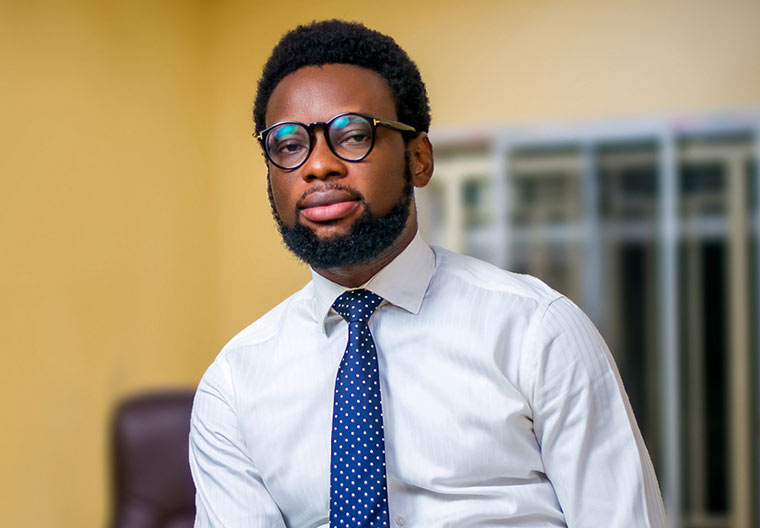
Fisayo Soyombo, a prominent investigative journalist in Nigeria, has been released from custody by the Nigerian Army after being detained for three days. His release was confirmed by one of his legal representatives, Abimbola Ojenike, who stated that Soyombo was freed around 7 p.m. and was now with his lawyers as they exited the military cantonment. Ojenike clarified that while Soyombo is free, he remains legally bound to appear if his attention is required by the authorities, marking a departure from the typical bail arrangements one would expect in such cases.
The circumstances surrounding Soyombo’s detention have garnered significant attention, particularly from the Foundation for Investigative Journalism (FIJ), which announced the news on social media platform X (previously Twitter). The organization highlighted the fact that Soyombo had been held by the 6 Division of the Nigerian Army based in Port Harcourt, stating emphatically that “journalism is not a crime.” This assertion emphasizes the foundation’s stance on the importance of press freedom and the essential role journalists play in societal oversight and truth dissemination.
The Acting Deputy Director of the 6 Division Army Public Relations, Lieutenant Colonel Danjuma Danjuma, provided a statement regarding Soyombo’s arrest, explaining that he had been apprehended at a site identified as an illegal oil bunkering operation. This claim positions Soyombo alongside other suspects, who were also detained in connection with the alleged criminal activities taking place at the site. The Army is currently conducting preliminary investigations to assess the involvement of those arrested, including Soyombo.
Soyombo’s case raises critical questions about press freedom, the safety of journalists in Nigeria, and the broader implications of state actions against individuals engaged in investigative reporting. Various stakeholders, including media rights organizations, have voiced concerns regarding the challenges faced by journalists in Nigeria, especially when they expose illegal activities or corruption. Such encounters with law enforcement are indicative of a troubling trend, wherein journalists may become targets for simply fulfilling their role in holding those in power accountable.
The Nigerian Army’s actions and the ongoing situation surrounding Soyombo underline the precarious balance between national security efforts and the protection of civil liberties. The military’s involvement in civilian matters, particularly in relation to press activities, reflects a complex dynamic that often complicates the operational landscape for journalists. The assertion of sovereignty by military bodies over civilian affairs continues to be a contentious issue in Nigeria, especially when it encroaches upon fundamental rights such as freedom of expression.
As the events unfold following Soyombo’s release, the reaction from the public, media organizations, and international observers will likely shape future discussions on the state of journalism in Nigeria. The implications of this incident may extend beyond Soyombo himself, prompting a nationwide dialogue on the safety of journalists, the importance of safeguarding press freedom, and the intersection of military authority and civilian rights. The hope is that such cases will lead to greater awareness and stronger protections for journalists operating in challenging environments, ensuring that they can continue to pursue truth and transparency without fear of reprisal.









