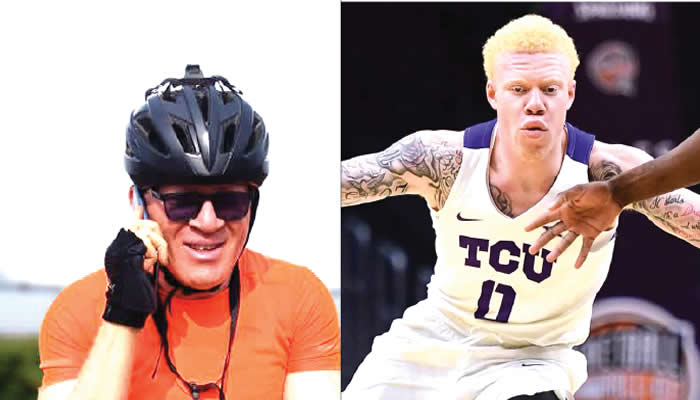
The world of sports has long been hailed as a domain characterized by talent, perseverance, and camaraderie that spans across various boundaries, including race and ethnicity. However, this ideal of inclusivity continues to be undercut by the visible absence and underrepresentation of individuals living with albinism. Despite progress in various social spheres, people with albinism face unique challenges and discrimination, particularly in regions like sub-Saharan Africa where myths and stigmatization persist. Activists and athletes alike, such as Ajisafe Sunday, challenge the misconceptions surrounding albinism, illuminating not only their abilities but also the systemic barriers that hinder their participation in sports. Ajisafe’s ability to walk confidently under the sun sheds light on the misconceptions that those with the condition struggle with visibility and mobility, emphasizing that these lives are often lived outside the constraints society places on them.
Cultural beliefs and myths about people with albinism are deeply entrenched in society, contributing to a toxic environment of discrimination and stigmatization. Many hold erroneous notions about their abilities, seeing them as cursed or inferior, which has led to social ostracization, particularly in schools and workplaces. This prejudice extends into sports, where those with albinism are often overlooked for participation, limiting their opportunities to showcase their talents and unique abilities. The case of athletes like Adiaratou Iglesias Forneiro, who has excelled on the international stage despite coming from a background that questioned her worthiness, serves as a beacon of what could be possible if more inclusivity was practiced. Her journey illustrates how brave individuals continue to pursue their dreams, challenging the stereotypes that are all too common in society.
The sports realm is often mistakenly viewed as inherently welcoming, providing opportunities for all to enjoy and participate regardless of background. Regrettably, this inclusiveness fails to extend meaningfully to people with albinism. Specifically, in Nigeria and other sub-Saharan nations, individuals living with this condition face considerable barriers to entry in the sports sector, perpetuated by stereotypes and fears about their health and capabilities. For instance, the claim that those with albinism cannot fully function in outdoor sports leads to an astonishing fact: throughout Nigeria’s sports history, no athlete with albinism has represented the nation. This not only reflects an unjust social perception but also deprives the sporting world of valuable talent.
There are significant success stories of individuals with albinism who have excelled in various sports; events such as the upcoming 2024 Paralympics in Paris showcase both their determination and resilience in the face of adversity. The stories of athletes like Jaylen Fisher and Monica Munga prove that the ability to participate and excel in sports is not solely determined by physical appearance or genetic conditions but rather by individual skill and determination. Addressing these issues is critical, particularly through initiatives aimed at educating people about the possible participation of those with albinism in sports. Engaging with community leaders and families to create awareness can alter lingering misconceptions and increase acceptance in both sports and broader society.
The role of family, specifically parents, is vital in shaping the self-esteem and confidence of children with albinism. Supportive environments can empower these individuals to navigate societal challenges more effectively. Prominent figures in the community, such as Tolani Ojuri and sports journalist Sussan Omopeloye, emphasize how strong family support can pave the way for successful childhoods that lead to fulfilling lives. Conversely, without the right encouragement at home, many children may shy away from exploring their athletic potential due to fears of judgment and ridicule. Investigating these dynamics underscores the idea that society’s acceptance begins at home and manifests in the broader community.
As calls for greater awareness grow, initiatives like the International Albinism Awareness Day aim to integrate those with albinism into all facets of society, including sports. However, significant barriers remain, showcasing a need for continual advocacy and awareness programs that emphasize inclusion and support for individuals with albinism. Government officials and community stakeholders play pivotal roles in this change, ensuring that structures are in place to foster an environment where athletes are celebrated and engaged regardless of their physical differences. The disparities in participation underscore the urgency for educational campaigns that clarify the capabilities of athletes with albinism, challenging deeply ingrained stereotypes and myths.
In conclusion, fostering an inclusive sports environment for individuals with albinism requires a multifaceted approach that includes raising awareness, dispelling myths, and providing opportunities for participation. Conducting workshops aimed at coaches and community members, implementing policies that guarantee inclusivity, and organizing events that celebrate the talents of athletes with albinism can dismantle the barriers that have historically marginalized this population. As we move forward, the sports community has the responsibility to ensure that all athletes feel valued and empowered, recognizing that inclusivity enriches the fabric of sports and society alike. Through concerted efforts aimed at education and the proactive inclusion of diversity, policy changes can create a space where athletes with albinism not only participate but thrive, showcasing their skills and inspiring others to break free from the limitations set by societal preconceived notions.