





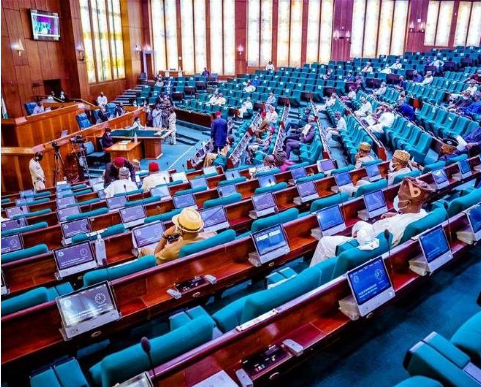
The House of Representatives is currently engaged in a closed-door session focused on deliberating the Tax Reform Bills proposed by President Bola Tinubu. These bills were transmitted to the National Assembly on September 3, 2024, in accordance with recommendations from a tax reform committee led by Taiwo Oyedele. Among the four key bills introduced is the Nigeria Tax Bill 2024, which is aimed at establishing a comprehensive fiscal framework for taxation in Nigeria. Additionally, the Tax Administration Bill will offer a clear legal framework for tax processes in the country, seeking to minimize disputes arising from taxation issues. This reform is part of the government’s broader initiative to enhance the efficiency and effectiveness of the tax system.
The set of bills also includes the Nigeria Revenue Service Establishment Bill, which aims to repeal the existing Federal Inland Revenue Service Act and create a new entity — the Nigeria Revenue Service. This new body is expected to streamline tax administration and improve revenue collection. Furthermore, the Joint Revenue Board Establishment Bill is intended to establish a tax tribunal and a tax ombudsman to handle grievances related to taxation. The overarching goal of these reforms is to create a more robust and equitable tax structure in Nigeria, ultimately contributing to the nation’s economic growth and stability.
According to an anonymous lawmaker from the All Progressives Congress, the objective of the ongoing closed-door session is to alleviate concerns and aim towards unifying support for the proposed reforms before the public debate commences. While there are mixed feelings among lawmakers regarding these tax reform bills, there is a prevailing sentiment that the government’s intentions are rooted in improving the economic landscape of the country. The meeting is expected to foster a spirit of collaboration and support among legislators, facilitating a smoother passage of the proposed bills through the National Assembly.
The tax reform initiative is viewed as a critical step in addressing long-standing issues within Nigeria’s fiscal policy and tax administration. With the country’s economy facing various challenges, the government is keen on reforming the tax system to boost domestic revenue generation and enhance the efficiency of tax collection. By clarifying tax laws and establishing a new revenue service, the government aims to reduce ambiguities that often lead to disputes and conflicts in the interpretation of tax regulations.
In light of the economic environment, the introduction of a tax tribunal and an ombudsman is particularly significant. These institutions are expected to provide an avenue for resolving tax-related disputes in a fair and timely manner, thereby fostering trust between the government and taxpayers. Ultimately, the successful implementation of these reforms could lead to increased compliance, better revenue collection, and an overall improvement in Nigeria’s economic performance.
As deliberations continue, stakeholders are optimistic about the potential positive outcome of these tax reforms. The government’s commitment to reforming the tax system reflects an understanding of the crucial role that taxation plays in national development. By addressing the complexities and inefficiencies plaguing the current system, the proposed reforms are positioned to create a more conducive environment for investment, drive economic growth, and improve the standard of living for ordinary Nigerians.








