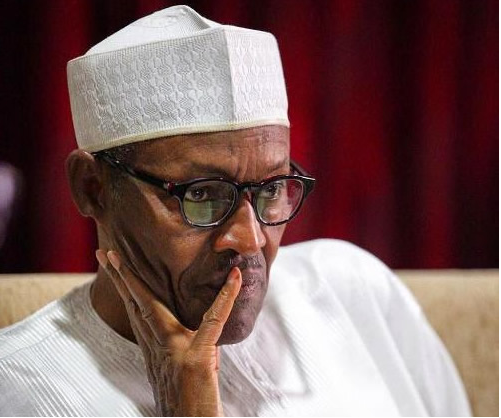
Former President Muhammadu Buhari’s recent disclosure about his financial standing offers a glimpse into his personal assets and underscores his commitment to transparency in public life. Addressing an All Progressives Congress (APC) caucus meeting in Katsina State, Buhari revealed that his primary source of income stems from rental earnings derived from one of his two properties located in Kaduna State. This revelation highlights his modest lifestyle and reinforces his dedication to accountability, particularly crucial for individuals who have held high public office. His statement, delivered in Hausa, resonated with the audience, emphasizing the importance of financial prudence and responsible management of resources, even after leaving office. This act of transparency serves as an example for other public officials and reinforces public trust in the integrity of those who have served the nation.
Buhari’s declaration of owning only three properties nationwide further underscores his commitment to a life of simplicity. Beyond the two properties in Kaduna, he possesses a house in his hometown of Daura, Katsina State. This modest real estate portfolio stands in stark contrast to the often-lavish lifestyles associated with some political figures. By openly sharing details of his personal assets, Buhari sets a precedent for transparency and encourages a culture of accountability within the political landscape. This move not only reinforces his image as a man of the people but also sends a strong message about the importance of ethical conduct and financial probity among public servants. His actions could potentially inspire other leaders to adopt similar practices, fostering greater trust and confidence within the citizenry.
The significance of Buhari’s disclosure extends beyond mere financial transparency. It embodies a vital principle of democratic governance – accountability. By openly sharing his sources of income, the former president demonstrates a commitment to avoiding potential conflicts of interest and upholding the integrity of his past office. This act of transparency serves as a powerful tool against corruption, promoting ethical behavior and fostering public trust. It reinforces the idea that public officials are accountable to the people they serve and should be willing to demonstrate the legitimacy of their financial dealings. This transparency can contribute to a stronger democratic culture and encourage greater scrutiny of public officials, fostering a more responsible and accountable government.
Buhari’s statement at the APC caucus meeting was not merely a financial disclosure; it was a symbolic act that resonates with broader themes of public service and responsible governance. By choosing to share this information with party members, he underscores the importance of financial integrity within the political sphere. This act signifies a commitment to ethical conduct and responsible leadership, values that are crucial for maintaining public trust. It also sets a positive example for other party members and aspiring leaders, encouraging them to prioritize transparency and accountability in their own financial dealings.
The timing of Buhari’s disclosure, shortly after leaving office, further amplifies its importance. It signals a continued commitment to transparency even after the formal responsibilities of the presidency have concluded. This sustained commitment to openness strengthens the message of accountability and reinforces the idea that public service is a lifelong commitment to ethical conduct. By maintaining transparency even after leaving office, Buhari sets a high bar for former public officials and promotes the idea that accountability should not be confined to the duration of one’s tenure but should extend throughout one’s public life.
In conclusion, former President Muhammadu Buhari’s revelation about his financial situation is more than just a personal disclosure; it’s a testament to the importance of transparency and accountability in public life. By openly sharing his sources of income and limited assets, he sets a valuable precedent for other public officials and reinforces the principles of responsible governance. This act of transparency not only strengthens public trust but also contributes to a more robust democratic culture by encouraging ethical conduct and financial probity among those who hold positions of power. Buhari’s commitment to openness, even after leaving office, serves as a powerful reminder that accountability is a continuous responsibility for those who have served the public. His actions have the potential to inspire a culture of greater transparency and integrity within the political landscape, ultimately benefiting the nation and its citizens.