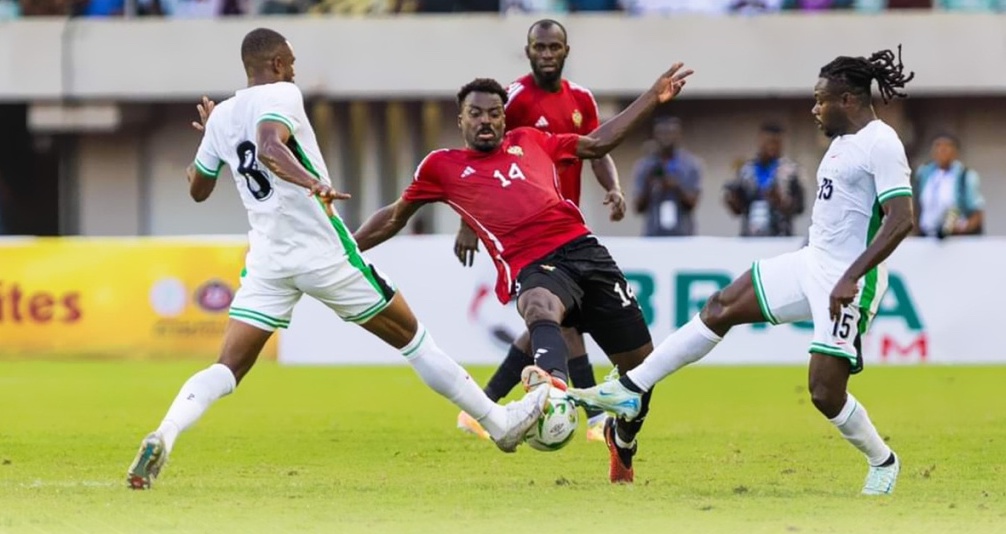
The Confederation of African Football (CAF) has officially removed the second-leg match in Group D of the 2025 African Cup of Nations qualifying round, which was to feature Nigeria’s Super Eagles facing off against Libya’s Mediterranean Knights. Initially, the game was set to occur at 8 PM in Libya, following a narrow victory for Nigeria at the first leg held in Uyo, where they triumphed with a single goal scored in the closing moments of the match. This result had positioned the Super Eagles favorably in the qualifier standings.
However, the return leg encountered significant challenges and controversies. Several players and officials from the Nigerian team experienced an exhausting ordeal exceeding 14 hours while at a Libyan airport. This logistical nightmare ultimately led to their decision to return home rather than participate in the scheduled match. The intense difficulties faced by the Nigerian contingent raised serious concerns regarding the preparation and safety of the players, contributing to CAF’s decision to eliminate the match from the schedule.
In response to the situation, CAF has initiated an investigation into the events surrounding the Nigerian team’s airport delay. The Libya Football Federation has also entered the fray, claiming that the incident constituted sabotage and has threatened legal action against Nigeria. This allegation adds another layer of complexity to the unfolding situation, as officials from both nations express differing views on the circumstances that derailed the match.
Following the controversies, CAF has updated its list of fixtures planned for Tuesday, notably excluding the game between Libya and Nigeria. The omission signifies the federation’s recognition of the difficulties faced and the necessity to address them appropriately. It also signals a commitment to ensuring the smooth operation of the tournament qualification process amidst the rising tensions between the involved parties.
This incident highlights broader issues within African football concerning travel logistical challenges, safety protocols, and inter-federation relations. The threats of legal action and counterclaims can underline deeper tensions that manifest in sporting events, complicating competition on the continental stage. With CAF’s involvement and ongoing investigations, the outcomes may influence how qualification games are managed in the future, potentially leading to changes in protocols.
Overall, this situation serves as a reflection of the complexities in organizing international fixtures and the interplay of national interests within African football. As teams like Nigeria seek to secure their places in important tournaments, the challenges they face off the field can have significant implications on their on-field performances and the integrity of the competition as a whole. The resolution of the current controversy will likely be closely monitored by fans, players, and officials alike, as its repercussions could resonate throughout African football in the coming years.