





The brutal assault of three Indian missionary priests in Ghana’s Oti Region has sparked outrage and concern, particularly due to the lack of arrests despite the availability of video evidence identifying the perpetrators. The incident, which occurred on December 11, 2024, involved Fathers Robinson Melkis, Martin George, and Henry Jacob, all members of the Franciscan Capuchin Order. They were attacked while refueling a rented bulldozer for a land development project in the Nkwanta South Municipality. The severity of the assault resulted in a ruptured eardrum for Father Jacob, necessitating his return to India for specialized medical treatment. The inaction of the Ghana Police Service in apprehending the attackers, despite clear video footage, has drawn sharp criticism and raised questions about the commitment to justice in the country.
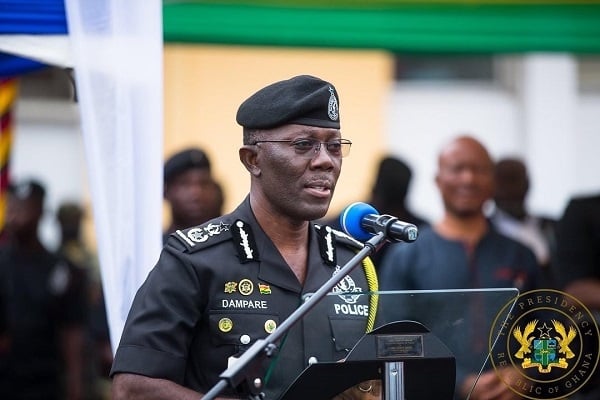
Most Reverend Gabriel Akwasi Ababio Mante, the Catholic Bishop of the Jasikan Diocese, has penned an open letter to Ghana’s Inspector General of Police (IGP), Dr. George Akuffo Dampare, expressing his deep disappointment and concern over the sluggish pace of the investigation. While acknowledging the IGP’s prompt assistance in arranging medical care for Father Jacob, including treatment at the Police Hospital and later at the prestigious Korle-Bu Teaching Hospital, Bishop Mante questioned the lack of progress in bringing the perpetrators to justice. Weeks after the incident, the assailants remain at large, fueling speculation and eroding public trust in the police force. The Bishop’s letter pointedly asks whether the priests’ Indian nationality has played a role in the delayed response, highlighting a potential bias within the justice system.
The Bishop’s concerns extend beyond this specific incident, touching on the broader issue of escalating political violence in Ghana, particularly in the aftermath of elections. He characterizes this recurring violence as a “disgraceful unwritten law,” implying a tacit acceptance of such acts within certain segments of society. This normalization of violence poses a significant threat to the rule of law and the safety of citizens, both Ghanaian and foreign. The lack of accountability for such acts further emboldens perpetrators, creating a climate of impunity. The Bishop’s call for mechanisms to address and prevent future attacks underscores the urgent need for proactive measures to safeguard peace and security within the country.
The unanswered questions surrounding the assault on the Indian priests raise serious concerns about potential diplomatic ramifications. Bishop Mante cautioned about the possible strain on Ghana-India relations if justice is not served. This diplomatic dimension adds another layer of complexity to the situation, highlighting the potential for international repercussions stemming from domestic incidents. The lack of arrests, coupled with the perceived inaction, could be interpreted as a disregard for the safety and well-being of foreign nationals, potentially damaging Ghana’s international reputation and its relationship with a key global partner.
Furthermore, Bishop Mante’s letter draws parallels to biblical and historical references to emphasize the moral and ethical imperative for swift action. Citing Genesis 4:10, “Our brothers’ blood is crying to God from the ground,” he invokes the inherent injustice of the situation and the spiritual consequences of unpunished violence. He also quotes British statesman William E. Gladstone’s famous dictum, “Justice delayed is justice denied,” underscoring the fundamental principle that timely justice is crucial for maintaining public trust and upholding the rule of law. The delay in apprehending the culprits not only denies the victims their right to redress but also undermines the credibility of the justice system.
In essence, the Bishop’s letter serves as a powerful indictment of the apparent inaction by the Ghana Police Service and a broader commentary on the concerning trend of violence within the country. The incident involving the Indian priests highlights vulnerabilities within the justice system and the potential for discriminatory practices based on nationality. The Bishop’s appeal to the IGP represents a plea for accountability, a call for justice, and a demand for an end to the cycle of violence that threatens the fabric of Ghanaian society. The incident underscores the urgent need for comprehensive reforms within the police force and a broader societal commitment to upholding the principles of justice and equality for all.








