





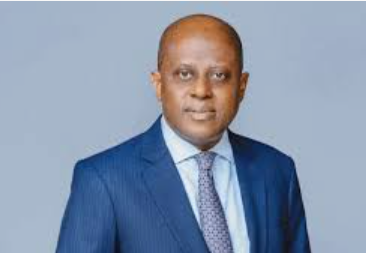
At the 5th African Union Extraordinary Session on Finance, Monetary Affairs, and Economic Integration held in Abuja, Yemi Cardoso, the Governor of the Central Bank of Nigeria (CBN), emphasized the bank’s strategic reforms aimed at enhancing the resilience of the African financial architecture. Cardoso highlighted that the CBN has carried out significant reforms, such as transitioning to a unified exchange rate framework, removing fuel subsidies, and recapitalizing deposit money banks. These efforts are part of a broader commitment to fostering stability and growth within Nigeria and aligning with regional financial aspirations. He noted that these efforts are not merely national but are integral to building a more robust and integrated financial system across Africa.
The unified exchange rate framework introduced by the CBN is designed to improve transparency and increase investor confidence in Nigeria’s foreign exchange markets. By enhancing the clarity of exchange rates, the CBN aims to mitigate volatility, ultimately stabilizing the economy. Additionally, the ongoing recapitalization of banks is expected to strengthen their capacity to endure economic shocks and facilitate sustainable credit growth. The removal of fuel subsidies has opened up fiscal space for targeted investments, while other policies have strategically boosted diaspora remittances. These comprehensive reforms substantiate Nigeria’s dedication to creating a sound financial environment aligned with continental goals.
During the event, the overarching theme was focused on “Building a Stronger and Resilient Africa Financial Architecture.” This theme underpinned discussions on significant collective efforts such as the establishment of the African Monetary Institute (AMI) and the operationalization of the African Financing Stability Mechanism (AFSM). Cardoso described the AMI as a key initiative toward achieving a common currency in Africa, while the AFSM is viewed as a vital instrument for enhancing financial resilience across the continent. The emphasis on these foundational structures highlights a strategic approach to safeguarding financial stability in a challenging global economic context.
Wale Edun, the Minister of Finance and Coordinating Minister of the Economy, commended the African Union Commission for organizing this critical dialogue. Represented by Aisha Umar from the Federal Ministry of Finance, Edun stressed the importance of coordinated continental cooperation. He argued that collective action is essential for African nations to reduce dependence on external aid and to navigate the economic challenges of today. Emphasizing the spirit of solidarity inherent in the continent’s collaborative efforts, Edun noted that such unity will enable nations to better manage their economies and respond effectively to global economic shifts.
The past several years have presented significant challenges for African economies, including pervasive poverty, growing inequality, reliance on foreign aid, and vulnerabilities to external debt crises. Additionally, climate change has emerged as a critical threat that complicates economic progress. Edun asserted that these challenges could be addressed through collective endeavors aimed at fortifying economic management systems across the continent. By effectively leveraging reforms and building robust economies, African nations can counteract these adversities and pave the way for sustainable growth and development.
The meeting also featured prominent figures from various international financial institutions, underscoring the collaborative spirit necessary for addressing Africa’s economic challenges. The presence of Dr. Hanan Morsy from the United Nations Economic Commission for Africa, along with representatives from organizations like the African Development Bank and the African Export-Import Bank, reflects a commitment to cooperative solutions. By fostering dialogue among financial leaders, the session aimed to inspire actionable strategies that will support Africa’s economic integration and resilience, ultimately working toward realizing the ambitions laid out in the Abuja Treaty and the African Union’s Agenda 2063.








