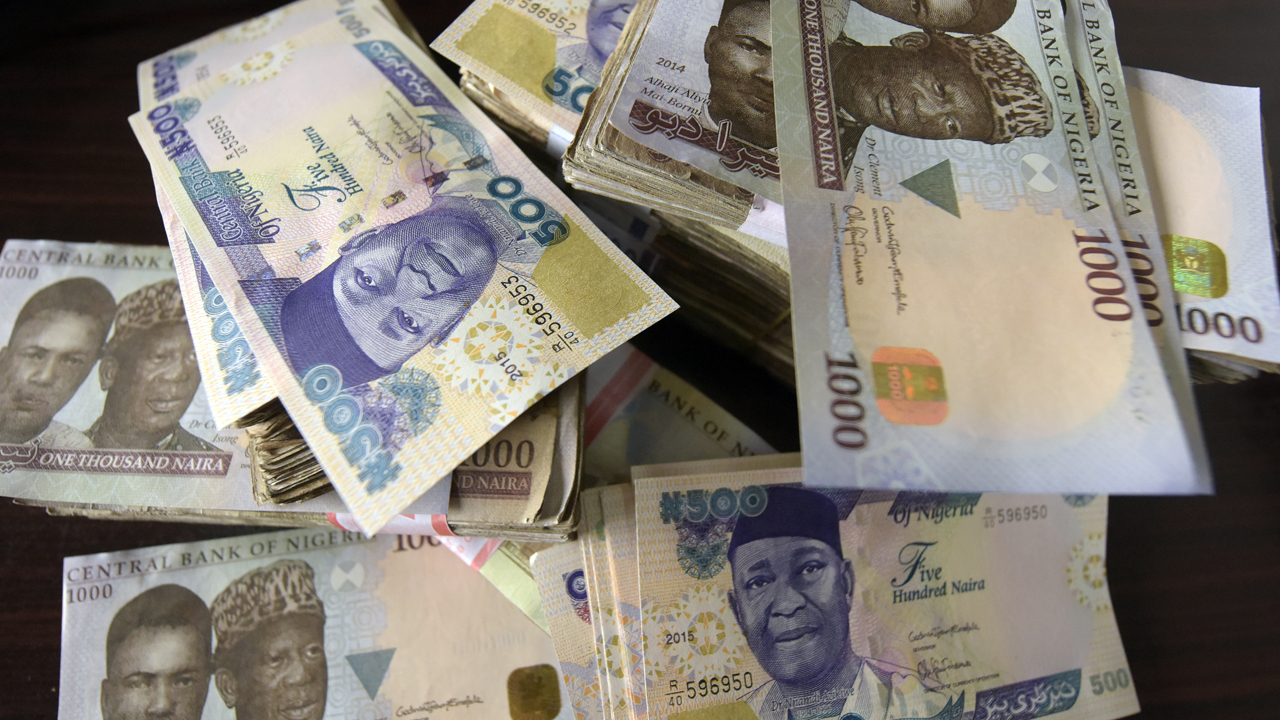
Nigeria’s monetary landscape witnessed a notable shift in February 2025, as the country’s money supply experienced its first contraction in recent times. The broad money supply (M3), a comprehensive measure encompassing both net foreign assets and net domestic assets, decreased to N110.32 trillion from N110.94 trillion in January, representing a 0.56% month-on-month decline. This contraction, though marginal, signifies a potential turning point in the trajectory of Nigeria’s monetary policy, particularly given the Central Bank of Nigeria’s (CBN) ongoing efforts to manage liquidity and address foreign exchange dynamics. While the February figure indicates a slowdown, it remains considerably higher than the N95.56 trillion recorded in February 2024, reflecting a substantial year-on-year growth of 15.45%. This sustained growth underscores the complex interplay of factors influencing Nigeria’s monetary environment.
The observed contraction in M3 can be attributed to developments in both net foreign assets and net domestic assets. Net foreign assets experienced a significant decline, dropping by 8.62% to N32.34 trillion in February from N35.39 trillion in January. This reduction, amounting to over N3 trillion, likely stems from lower external reserves or increased foreign exchange interventions by the CBN aimed at stabilizing the naira. Conversely, net domestic assets increased by 3.21% to N77.97 trillion in February from N75.55 trillion in January, indicating continued credit expansion within the domestic economy. This simultaneous decline in net foreign assets and rise in net domestic assets highlights the nuanced nature of the monetary dynamics at play.
A year-on-year comparison reveals further insights into the evolving monetary landscape. Net foreign assets saw a remarkable surge, growing by over 337% from N7.41 trillion in February 2024 to N32.34 trillion in February 2025. This substantial increase underscores the impact of exchange rate reforms and increased foreign inflows into the Nigerian economy. Meanwhile, net domestic assets experienced a slight dip over the same period, decreasing from N88.15 trillion in February 2024 to N77.97 trillion in February 2025. This decrease suggests a potential reallocation of assets within the financial system, driven by evolving policy directions and market conditions.
The trend observed in M3 was mirrored in the M2 money supply, which also experienced a slight contraction of 0.56%, falling to N110.31 trillion in February from N110.93 trillion in January. However, the year-on-year perspective reveals a different picture, with M2 exhibiting a significant growth of 17.39% compared to N93.97 trillion in February 2024. This growth aligns with increased government spending and other fiscal measures implemented throughout the year. In contrast, narrow money (M1), comprising currency in circulation and demand deposits, rose by 2.18% to N37.57 trillion in February from N36.77 trillion in January. This increase, translating to a 24.07% growth compared to February 2024, likely reflects higher transactional demand for cash and short-term liquidity needs amid persistent inflationary pressures and currency volatility.
The overall decline in money supply, despite the rise in narrow money and net domestic assets, points to a structural shift in liquidity within the Nigerian economy. The significant drop in net foreign assets appears to have exerted a dominant influence on M3, overshadowing the relatively stable domestic credit conditions. The impressive growth in foreign assets observed over the past year seems to be moderating, potentially due to stabilizing inflows or the impact of CBN interventions in the foreign exchange market. This moderation suggests a possible recalibration of external factors influencing the money supply.
With inflation remaining elevated and the naira showing signs of stability, the slight contraction in February’s money supply provides the CBN with an opportunity to refine its policy instruments. This juncture allows for careful consideration of the balance between inflation control and economic growth. The latest data will undoubtedly inform discussions at the upcoming Monetary Policy Committee meeting, as the CBN navigates the intricate task of fostering economic stability while supporting sustainable growth. The observed trends highlight the dynamic nature of Nigeria’s monetary landscape and the ongoing efforts to manage liquidity, address foreign exchange dynamics, and maintain a stable economic trajectory.