









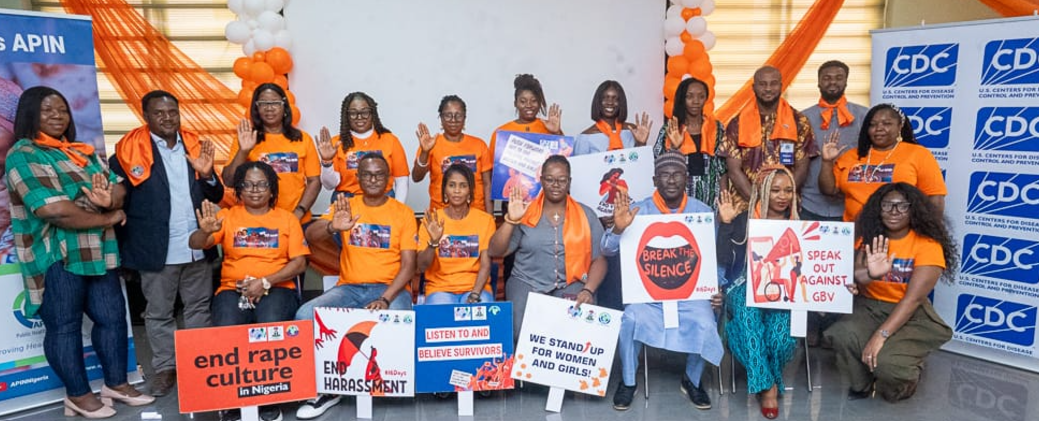
The Urgent Need for Collective Action Against Gender-Based Violence
Gender-based violence (GBV) is a pervasive global issue with devastating consequences for individuals and communities. The U.S. Centers for Disease Control and Prevention (CDC), in partnership with APIN Public Health Initiatives, has underscored the urgent need for collective action to combat GBV and support survivors. GBV encompasses a range of harmful acts, including physical, emotional, psychological, and economic abuse, all of which significantly impact the overall well-being of individuals, especially women and girls. The World Health Organization recognizes the profound impact of GBV on health, highlighting the intertwined nature of physical, mental, and social well-being. Addressing GBV is not merely a social justice issue, but a crucial public health imperative.
Collaborative Strategies and Comprehensive Approaches to GBV Prevention and Support
The CDC has demonstrated its commitment to tackling GBV through strategic collaborations with organizations like APIN Public Health Initiatives. Funded by the President’s Emergency Plan for AIDS Relief (PEPFAR), the CDC supports programs aimed at both preventing GBV and providing comprehensive assistance to survivors. These initiatives encompass a range of services, from mitigating the immediate effects of violence to implementing preventative measures that address the root causes of GBV. The CDC emphasizes the critical importance of collaborative efforts across various sectors to achieve lasting and meaningful impact in the fight against GBV. A multi-sectoral approach involves engaging with healthcare providers, law enforcement agencies, social service organizations, community leaders, and individuals to create a comprehensive and coordinated response to GBV.
Empowering Survivors and Addressing the Intersections of GBV and HIV
A crucial aspect of addressing GBV is empowering survivors to speak out and seek help. APIN Public Health Initiatives has reiterated its commitment to supporting survivors and encouraging them to break the silence surrounding GBV. Recognizing that GBV often intersects with other health concerns, particularly HIV, the CDC implements targeted interventions to address the unique vulnerabilities of women and girls. This includes community-based programs that aim to transform harmful social norms, promote gender equality, and equip individuals with essential life skills to manage their health and well-being. By integrating GBV screening into all health services, the CDC ensures that survivors are identified and connected with appropriate support services. This proactive approach helps to address the often-hidden nature of GBV and provides a pathway for survivors to access care and resources.
Comprehensive Support Services and Quality Assurance for GBV Survivors
The CDC and its partners provide a comprehensive package of post-violence care services free of charge to survivors. These services are designed to address the immediate physical and psychological needs of survivors and facilitate their healing process. The minimum package of care typically includes medical treatment, psychosocial counseling, legal assistance, and safe shelter options. Recognizing that GBV survivors often require a range of specialized services, the CDC maintains strong relationships with referral centers, including police departments, shelters, child protection services, and other relevant stakeholders. This network of support ensures that survivors can access the specific services they need, tailored to their individual circumstances.
Community-Based Interventions and Empowerment Programs to Combat GBV
The CDC champions community-based interventions to address the root causes of GBV and empower individuals to prevent future violence. One such program focuses on teaching girls self-defense skills, encompassing verbal, mental, and physical strategies for protecting themselves. This empowerment program equips girls with the confidence and skills to assert their boundaries and resist potential harm. Over 200 instructors have been certified to deliver this program, reaching more than 78,000 adolescents in various communities. By investing in community-based prevention programs, the CDC aims to create safer and more equitable environments where individuals can thrive.
Ensuring Quality Care and Strengthening GBV Response Systems
To ensure that survivors receive high-quality care, the CDC prioritizes rigorous quality assurance assessments using WHO-standardized tools. These assessments evaluate the effectiveness of GBV services and identify areas for improvement. By adhering to international standards, the CDC strives to provide the best possible care for survivors and contribute to the continuous improvement of GBV response systems. The CDC’s commitment to quality assurance reflects its dedication to providing survivor-centered care and promoting best practices in GBV prevention and response. Through comprehensive programs, strategic partnerships, and a focus on survivor empowerment, the CDC is working towards a future free from gender-based violence.









