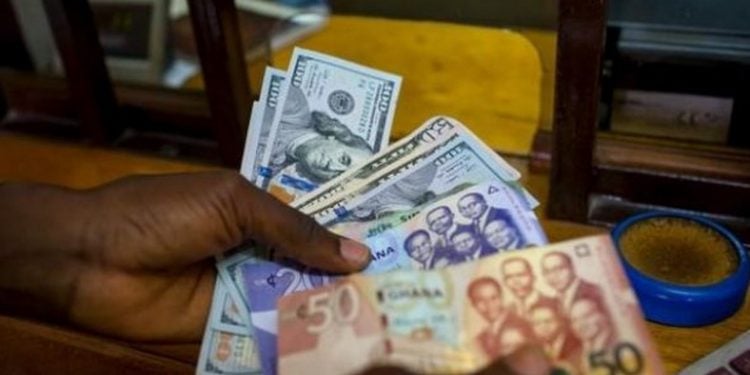
The Bank of Ghana has projected further appreciation of the cedi, emphasizing recent gains against major foreign currencies like the US Dollar and British Pound. The Monetary Policy Committee’s meeting statement highlighted factors facilitating this rebound, including the central bank’s improved foreign exchange buffers and the easing of election-related uncertainties. Despite experiencing short-term volatility due to high foreign exchange demand, there are expectations of a long-term alignment of the exchange rate with economic fundamentals, driven by robust macroeconomic policies and enhanced foreign exchange availability.
Global economic conditions have also impacted the Monetary Policy Committee’s considerations. The global economy demonstrated resilient growth supported by real income recovery and disinflationary trends. Major central banks in advanced economies have engaged in policy easing to tackle declining inflation rates. However, challenges such as the lingering effects of prior tightening policies, geopolitical tensions, and trade protectionism continue to pose risks to this forecasted stability. Meanwhile, global inflation has moderated thanks to lower energy prices and easing labor costs, suggesting a gradual return to targeted inflation levels.
Domestically, economic activity in Ghana shows promising signs as various indicators reflect continued recovery. The Bank’s Composite Index of Economic Activity registered a notable growth, attributed to increased consumption, construction, and credit availability. Confidence surveys indicated a positive sentiment change, particularly within the business sector. However, inflation rates remain a concern due to rising food prices and effects from previous currency depreciation. Despite the fluctuations, core inflation has demonstrated a significant decline over the past year, showing resilience against inflationary pressures.
Interest rates in Ghana have showcased a declining trend, with substantial decreases in Treasury bill rates and lending rates over the past year. The stock market has also benefitted from improved economic conditions, recording significant gains as investor confidence rises. The banking sector continues to maintain stability, exhibiting growth in assets while managing risks linked to non-performing loans. Despite the challenges posed by a heightened non-performing loans ratio, the sector’s sound fundamentals provide a stable backing for ongoing economic growth.
The external sector’s performance has notably improved, with a considerable current account surplus bolstered by increased export revenues and robust remittance inflows. This development facilitated a considerable build-up of foreign reserves, which has enhanced confidence in the cedi’s stabilization. The cedi has registered significant gains against major currencies in recent months, indicating a positive shift in the foreign exchange market and providing optimism for continued gains as the Central Bank manages its resources effectively.
Looking ahead, the Bank of Ghana emphasizes the importance of monitoring global economic conditions, including potential inflationary pressures emerging from commodity price volatility and geopolitical uncertainties. Despite slightly altered inflation projections, robust macroeconomic indicators suggest a stable outlook for Ghana’s economy. The cedi’s recent recovery, sustained economic growth, and ongoing commitment to sound monetary policy signal a favorable trajectory moving forward, prompting the Monetary Policy Committee to maintain the policy rate at its current level while assessing future implications on price stability and economic resilience.