









The Conference of Heads of Assisted Secondary Schools (CHASS) has issued a stark warning to the Ghanaian government: if outstanding financial arrears under the Free Senior High School (Free SHS) program are not settled before January 3, 2025, schools may not reopen as scheduled. This ultimatum underscores the severe financial strain that many secondary schools across the nation are facing, jeopardizing their ability to operate effectively and deliver quality education to students. CHASS’s concerns, detailed in a letter to the Minister of Education, paint a picture of widespread financial distress within the education system, a situation they argue is directly attributable to the government’s failure to fulfill its funding obligations under the Free SHS initiative.
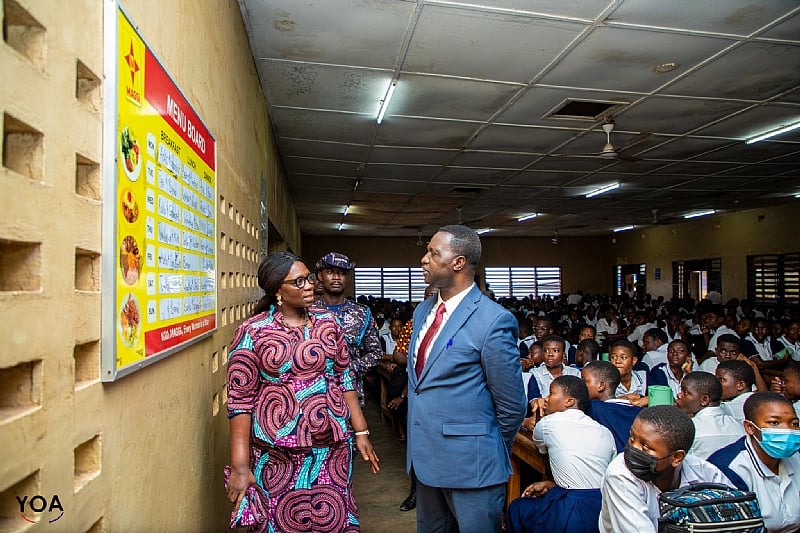
The financial challenges highlighted by CHASS are multifaceted and impact various aspects of school operations. A primary concern is the non-payment of recurrent funds, essential for the day-to-day running of schools. These funds cover a range of expenses, including administrative costs, staff salaries, maintenance, and the provision of basic educational resources. Without these funds, schools are struggling to meet their basic operational needs, creating a precarious environment for both staff and students. The lack of funding also extends to the provision of meals, a crucial component of the Free SHS program. CHASS reports that arrears for perishable food items have accumulated, leaving schools unable to adequately feed their students. This not only compromises the students’ nutritional well-being but also threatens the smooth functioning of the school day.
Compounding the food supply issue is the lack of funds allocated for transporting these supplies to schools, particularly those in remote areas. This logistical hurdle further restricts schools’ ability to provide adequate meals, exacerbating the already precarious situation. The letter also reveals a significant disparity in fund allocation, with single-track and day schools being excluded from the recent disbursement of funds. This omission leaves these institutions in even more dire financial straits, highlighting inconsistencies in the government’s funding approach and raising concerns about equitable resource distribution within the education system.
Beyond the immediate concerns of food and operational costs, CHASS also draws attention to the mounting burden of unpaid utility bills. Many schools are grappling with significant arrears for essential services such as electricity and water, hindering their ability to maintain a functional learning environment. The inability to pay these bills not only disrupts daily operations but also risks the interruption of these crucial services, further impacting the quality of education provided. Primus Baro, the National Secretary of CHASS, emphasizes the gravity of the situation, stating that without these essential resources, school heads face insurmountable challenges in managing daily operations, providing quality education, and ensuring the well-being of students. This statement underscores the direct link between adequate funding and the ability of schools to fulfill their core mission of educating the nation’s youth.
CHASS’s warning of potential school closures is not merely a threat; it reflects the dire reality faced by many secondary schools in Ghana. The association argues that the government’s failure to address these financial challenges directly undermines the Free SHS program, jeopardizing its long-term sustainability and effectiveness. The warning serves as a clear call to action, urging the government to prioritize the financial needs of schools and fulfill its funding obligations to ensure the continued provision of quality education. The association’s firm stance underscores the seriousness of the situation and the urgent need for government intervention.
The ultimatum presented by CHASS highlights the potential consequences of neglecting the financial needs of the education system. By advising against the reopening of schools if their demands are not met, CHASS is emphasizing the critical role of adequate funding in ensuring the smooth functioning of schools and the delivery of quality education. The potential disruption to the academic calendar would have far-reaching implications for students, teachers, and the wider community, underscoring the need for a swift and decisive response from the government. The association’s ultimatum serves as a stark reminder of the importance of investing in education and the potential consequences of failing to do so. Their message is clear: the future of Ghana’s education system hangs in the balance.









