









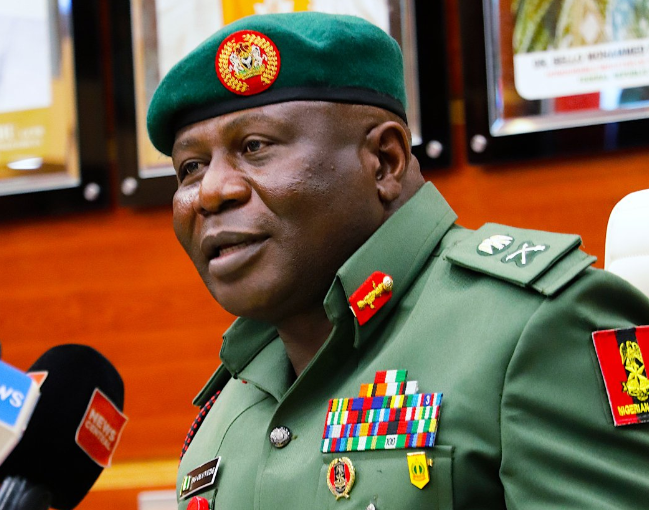
Nigeria’s economic prosperity hinges significantly on the performance of its oil sector. The Chief of Army Staff, Lt. Gen. Olufemi Oluyede, underscored this critical relationship during his inaugural visit to the 6 Division, Nigerian Army, in Port Harcourt. He emphasized the urgent need for a sustained increase in oil production to bolster the nation’s economy and stabilize the naira against the dollar. Oluyede argued that increased oil revenue is essential for national economic stability, impacting everything from the value of the naira to the affordability of goods and services for ordinary Nigerians. He stressed the direct correlation between oil production and the strength of the naira, warning that without a substantial boost in output, the currency would continue to depreciate, leading to inflationary pressures and hardship for the populace.
The Chief of Army Staff’s visit served as a platform not only to address the economic implications of oil production but also to rally the troops against the pervasive challenges of illegal refining and oil bunkering in the Niger Delta region. These illicit activities, he argued, directly undermine the nation’s oil output and, consequently, its economic well-being. Oluyede urged the soldiers to intensify their efforts in combating these crimes, framing their role as crucial to national economic recovery and stability. He stressed the importance of maintaining the integrity of the oil sector, emphasizing its crucial role as the primary revenue generator for the government. By curbing illegal activities, the army could significantly contribute to increasing legitimate oil production and ensuring the availability of resources for national development.
Recognizing the interconnectedness of troop morale and operational effectiveness, Oluyede addressed the welfare concerns of the soldiers. He pledged to prioritize their well-being in the coming year, focusing on improvements in accommodation and equipment. He assured them that he had already discussed these pressing issues with President Bola Ahmed Tinubu, underscoring his commitment to addressing the challenges faced by the army. He expressed his expectation of seeing tangible improvements within the next month, demonstrating a resolve to swiftly implement changes that would enhance the living and working conditions of the troops. This commitment to troop welfare, he implied, was essential for motivating them to perform their duties effectively, including safeguarding oil installations and combating illegal activities.
Oluyede’s address to the troops went beyond mere promises. He participated in the decoration of 11 senior officers with higher ranks, a symbolic gesture signifying recognition and appreciation for their service. This act served to reinforce the message of support and commitment to the well-being of the army personnel. He reiterated his pledge to enhance their living conditions, including providing better housing and allowances, linking these improvements directly to the success of their mission to increase oil production. By tying their welfare to national economic performance, he aimed to create a sense of shared responsibility and motivate them to contribute actively to the nation’s economic recovery.
The core of Oluyede’s message revolved around the inextricable link between oil production, economic stability, and the welfare of both the nation and its soldiers. He emphasized that increased oil revenue would not only strengthen the naira and reduce the cost of living but would also provide the government with the necessary resources to address the needs of the army, including improved housing, equipment, and allowances. This cyclical relationship, he argued, highlighted the crucial role of the army in protecting the oil sector and ensuring its optimal performance. By combating illegal activities and safeguarding oil installations, the troops would directly contribute to the nation’s economic recovery and, in turn, their own well-being.
Oluyede’s visit concluded with a powerful call to action, urging the troops to embrace their responsibilities and contribute actively to national progress. He urged them to report any illegal activities they encountered, emphasizing the collective effort required to overcome the challenges facing the nation. He reiterated the central message of his visit: increasing oil production is paramount to national prosperity and the improvement of their own livelihoods. This final exhortation served to solidify his message, leaving the troops with a clear understanding of their role in the nation’s economic recovery and their own future well-being. By linking their duties directly to tangible improvements in their lives and the nation’s economy, Oluyede aimed to instill a sense of purpose and motivate them to fulfill their responsibilities with diligence and commitment.









