





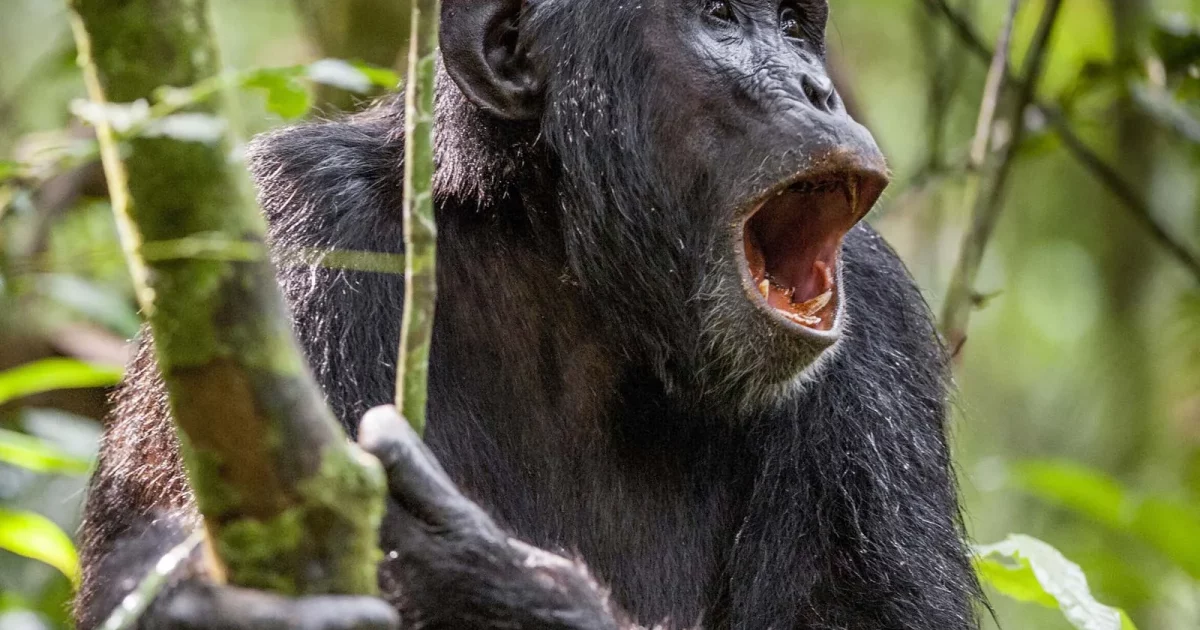
The Ise Forest Conservation Area in Ekiti State, Nigeria, has witnessed a landmark achievement in wildlife conservation: the first-ever documented sighting of a chimpanzee within its protected boundaries. This momentous event, captured on film from the forest canopy, showcases a male chimpanzee foraging in the lowland forest, a testament to the unwavering dedication of conservationists, local communities, and the Ekiti State government. The footage signifies not just the presence of chimpanzees, but the success of four years of persistent conservation efforts by the South-West/Niger Delta Forest Project (SWNDF) in collaboration with local stakeholders. This victory underscores the critical importance of continued commitment to protecting endangered species and their fragile habitats, particularly in the face of mounting threats.
The journey to this milestone has been fraught with challenges. The Ise forest, a vital haven for biodiversity, faces constant pressure from encroaching farmland and the illicit activities of marijuana cultivators. These threats pose significant risks to the forest ecosystem and create increasingly hazardous conditions for the rangers tasked with its protection. In 2024, the situation escalated with the resurgence of armed marijuana planters, who resorted to intimidation tactics, including death threats against the rangers and their families. This underscores the dangerous realities faced by those on the front lines of conservation and highlights the need for robust security measures and community support to ensure their safety and the effectiveness of conservation initiatives.
Despite these obstacles, the commitment to preserving the Ise forest and its unique inhabitants remains steadfast. The leadership of Ekiti State Governor Biodun Oyebanji and the active involvement of Ise community leaders have been instrumental in reinforcing the collective resolve against the destruction of the state’s natural heritage. This collaboration exemplifies the crucial role of local communities and government support in achieving successful conservation outcomes. The concerted efforts demonstrate a shared understanding of the long-term benefits of environmental protection, including preserving biodiversity, maintaining ecosystem services, and promoting sustainable development.
The chimpanzee population residing in the Ise forest holds particular significance within the broader context of primate conservation. Years of geographic isolation and distinct environmental conditions have led to a remarkable genetic divergence from other chimpanzee subspecies. This isolated population harbors unique genetic traits found nowhere else on Earth, underscoring the critical importance of protecting the Ise forest. Conserving this unique genetic heritage is essential not only for the survival of this specific chimpanzee population but also for the broader understanding of primate evolution and the preservation of global biodiversity. The Ise Forest serves as a living laboratory, offering invaluable insights into the adaptability and resilience of chimpanzees in the face of environmental change.
The success story of the Ise forest conservation initiative, especially considering the added complexities posed by the COVID-19 pandemic, is attributed in large part to the forward-thinking vision of former Ekiti State Governor Kayode Fayemi. His decision to establish the Ise Forest Conservation Area is recognized as a pivotal moment in safeguarding Ekiti’s remaining wildlife and their habitats, preventing their potential extinction. The establishment of the protected area demonstrates the crucial role of proactive government intervention in biodiversity conservation. It sets a precedent for future conservation efforts and provides a model for other regions facing similar challenges.
The Ise Forest Conservation Area, encompassing 3,300 hectares, was formally established through a management agreement between the SW/Niger Delta Forest Project and the Ekiti State Government in February 2021, and officially gazetted on July 29, 2021. This formal recognition followed years of meticulous chimpanzee-focused surveys, which revealed the existence of this genetically distinct and highly endangered population. The South-West/Niger Delta Forest Project, a grassroots organization dedicated to finding sustainable solutions for threatened species and habitats, has played a pivotal role in these efforts. This historic footage of the chimpanzee marks a significant victory, not just for the project, but for the future of these remarkable primates and the preservation of the rich biodiversity of southwestern Nigeria. It offers a beacon of hope and inspires continued dedication to the vital work of conservation.








