Paragraph 1: Strengthening Bilateral Trade and Investment:
China and Nigeria have revitalized their economic partnership through the renewal of a substantial currency swap agreement. This landmark deal, valued at 15 billion yuan (equivalent to $2 billion USD), signifies a mutual commitment to bolstering trade and investment flows between the two nations. The agreement, facilitated by the People’s Bank of China (PBoC) and the Central Bank of Nigeria (CBN), aims to streamline bilateral transactions by promoting the direct use of the yuan and naira, thereby reducing reliance on third-party currencies like the US dollar. This strategic move is expected to enhance financial cooperation, simplify cross-border trade, and create a more conducive environment for investments.
Paragraph 2: Mechanics and Benefits of the Currency Swap:
The currency swap arrangement operates as a reciprocal credit line, allowing each central bank to access the other’s currency. This mechanism facilitates trade by enabling businesses in both countries to conduct transactions directly in their respective currencies, eliminating the need for costly and time-consuming currency conversions. By reducing reliance on intermediary currencies, the swap agreement is expected to lower transaction costs, enhance efficiency, and stimulate trade volumes. Furthermore, it provides a buffer against exchange rate fluctuations, mitigating risks for businesses engaged in cross-border trade.
Paragraph 3: Historical Context and Renewed Commitment:
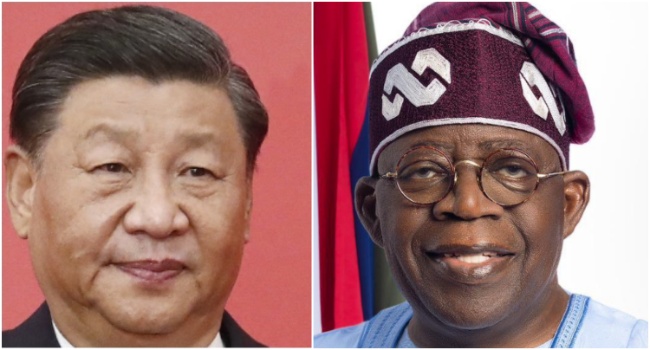
The renewed agreement builds upon a foundation laid in 2018 when the initial currency swap deal was established. This earlier agreement, valued at 16 billion yuan (approximately $2.5 billion USD at the time), marked a significant step towards closer economic ties between China and Nigeria. The renewal underscores the enduring commitment of both nations to fostering a stronger economic partnership. The recent meeting between President Bola Tinubu of Nigeria and President Xi Jinping of China further reinforced this commitment, with both leaders emphasizing the importance of flexible and diverse monetary cooperation, including currency swaps.
Paragraph 4: Promoting Regional and Global Financial Stability:
The currency swap agreement extends beyond bilateral trade benefits, contributing to broader regional and global financial stability. By reducing dependence on the US dollar, the arrangement promotes diversification within the international monetary system. This diversification can enhance resilience against global economic shocks and mitigate the impact of fluctuations in major currencies. Furthermore, the agreement serves as a model for other countries seeking to strengthen their economic ties through currency swap arrangements, potentially fostering greater stability within regional and global financial markets.
Paragraph 5: Fostering Cooperation on Financial Intelligence:
Beyond trade and financial stability, the agreement also encompasses a commitment to enhancing international cooperation on financial intelligence. Recognizing the importance of combating illicit financial flows, China and Nigeria have agreed to collaborate on anti-money laundering (AML) and counter-terrorism financing (CTF) initiatives. This collaboration will involve sharing information and best practices to strengthen regulatory frameworks and enhance the effectiveness of AML/CTF efforts in both countries. By working together, China and Nigeria aim to create a more secure and transparent financial environment, mitigating risks associated with financial crime.
Paragraph 6: Deepening Economic Ties and Future Prospects:
With bilateral trade between Nigeria and China representing a significant portion of Nigeria’s total trade, the renewed currency swap agreement holds considerable promise for deepening economic ties. By facilitating trade, encouraging investment, and promoting financial stability, the agreement lays the groundwork for a more robust and dynamic economic partnership. The agreement’s three-year validity, with the option for renewal, provides a framework for long-term cooperation and allows for adjustments based on evolving economic conditions. The success of this renewed agreement will likely serve as a catalyst for further collaboration and innovation in the economic relationship between China and Nigeria.