









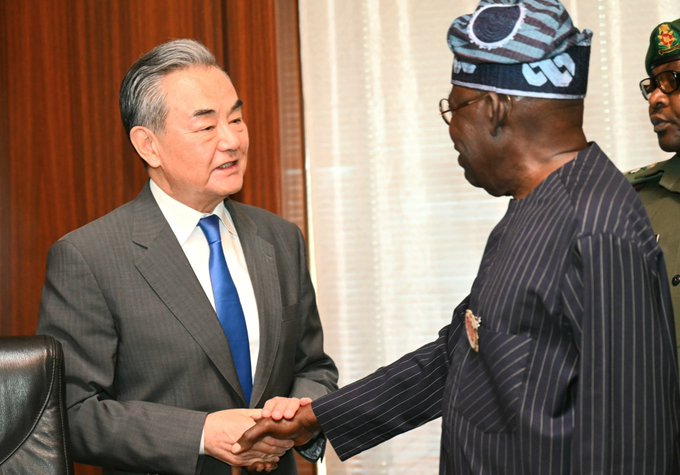
China and Nigeria have reaffirmed their commitment to strengthening their bilateral relationship, focusing on economic cooperation and security collaboration. China’s Foreign Minister, Wang Yi, during a visit to Nigeria, expressed China’s willingness to consider expanding the existing bilateral currency swap agreement. This agreement, initially established in 2018, allows the two nations to trade in their respective currencies, reducing dependence on the US dollar and fostering greater financial stability and trade growth. Wang Yi also encouraged Nigeria to explore issuing Panda bonds in China’s domestic bond market, providing access to Chinese capital markets and diversifying Nigeria’s funding sources. This access to RMB-denominated funding could support crucial infrastructure projects in Nigeria, particularly railway modernization, with China expressing confidence in Nigeria’s economic stability and creditworthiness.
The existing currency swap agreement and the potential expansion, coupled with the possibility of issuing Panda bonds, underscore the deepening financial ties between the two nations. China views these financial instruments as mutually beneficial, offering Nigeria access to alternative funding sources and strengthening economic cooperation. China’s support for Nigeria’s infrastructure development, particularly in the railway sector, highlights the practical application of this financial partnership. This commitment to mutual economic benefit is further exemplified by Chinese banks’ recent financial contribution to Nigeria’s railway modernization project, demonstrating a tangible commitment to infrastructure development and economic growth in Nigeria.
Beyond financial cooperation, China has also pledged substantial support for enhancing peace and security in Africa, with a particular focus on Nigeria’s role as a regional leader. Wang Yi emphasized China’s opposition to external interference in Africa’s security affairs, advocating for African-led solutions to regional challenges. He pledged CN¥1 billion in military assistance to Africa, encompassing training for military and law enforcement personnel, and support for peacekeeping operations. This assistance aligns with China’s broader Global Security Initiative (GSI), which promotes a cooperative approach to international security challenges and rejects unilateral interventionism. China’s support also extends to the African Standby Force and rapid response forces, crucial components of the continent’s efforts to address security threats.
China’s commitment to Africa’s security is not limited to financial and material assistance. Wang Yi reiterated China’s support for Africa’s interests in international forums, particularly within the United Nations Security Council. He affirmed that China’s vote in the Security Council would consistently support African concerns, highlighting China’s role as a diplomatic advocate for the continent. Furthermore, China emphasizes the importance of achieving security through development, committing to collaborate with African nations on development initiatives and providing financial support to address the root causes of insecurity. This holistic approach to security, encompassing financial aid, training, diplomatic support, and development cooperation, reflects China’s commitment to long-term stability and prosperity in Africa.
Nigeria, recognizing its influential position in West Africa and the Sahel region, has welcomed China’s support in addressing regional security challenges. Nigeria’s Foreign Minister, Yusuf Tuggar, echoed China’s stance on prioritizing African solutions, rejecting the involvement of private military companies and emphasizing the importance of local production of military equipment. He expressed Nigeria’s desire to collaborate with China in developing domestic arms production capabilities, reducing reliance on external suppliers and fostering self-sufficiency in defense. This approach aligns with the broader principle of African ownership and leadership in addressing security issues.
The strengthened partnership between China and Nigeria extends beyond economic and security domains. The two nations share a commitment to multilateralism and oppose external interference in their internal affairs. This shared perspective forms the basis of a comprehensive strategic partnership aimed at promoting mutual prosperity and fostering peace and stability in Africa. China’s recognition of Nigeria’s leadership role within ECOWAS further solidifies the collaborative approach to regional security, with both countries emphasizing the importance of regional cooperation and African-led solutions to complex challenges. This multifaceted partnership, encompassing economic development, security cooperation, and diplomatic alignment, underscores the deepening ties between China and Nigeria and their shared vision for a more stable and prosperous future.









