









Paragraph 1: A Diplomatic Overture: China’s Foreign Minister Visits Nigeria
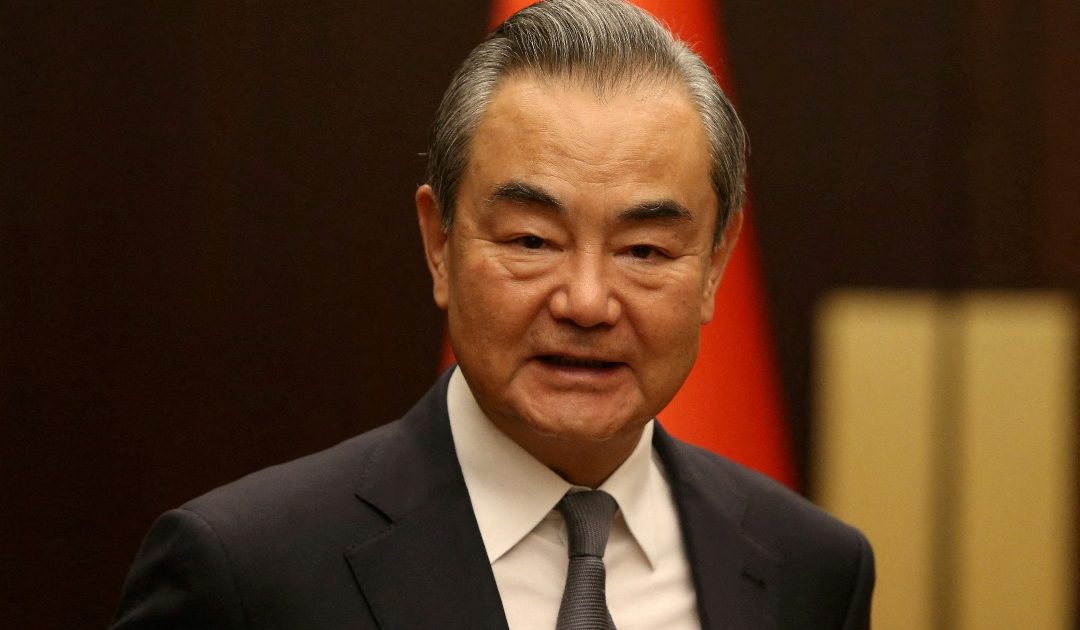
The diplomatic stage is set for a significant exchange as Wang Yi, the Foreign Minister of the People’s Republic of China and a prominent member of the Political Bureau of the Central Committee of the Communist Party of China, embarks on an official visit to Nigeria. Arriving in Abuja on Wednesday, January 8, 2025, Minister Yi’s visit is poised to reinforce the existing robust relationship between China and Nigeria, exploring avenues for deeper cooperation and mutual benefit. This visit underscores the importance both nations attach to their bilateral ties and their commitment to fostering a stronger partnership in the years ahead.
Paragraph 2: Strengthening Bilateral Ties: A Focus on Trade, Infrastructure, and Technology
The core agenda of Minister Yi’s visit revolves around strengthening the multifaceted relationship between China and Nigeria. High-level discussions are planned with Nigerian Foreign Minister, Ambassador Yusuf Tuggar, on Thursday, January 9, 2025. These bilateral talks are expected to delve into various areas of mutual interest, with a particular emphasis on expanding cooperation in trade, infrastructure development, and technological advancement. These sectors represent key areas where both nations can leverage their respective strengths to achieve common goals and drive economic growth.
Paragraph 3: A Presidential Exchange: Delivering a Message from President Xi Jinping
Beyond the diplomatic dialogues, Minister Yi’s visit carries a special significance as he is entrusted with delivering a personal message from Chinese President Xi Jinping to Nigerian President Bola Tinubu. This gesture underscores the high-level engagement between the two nations and signifies the importance China places on its relationship with Nigeria. The meeting between Minister Yi and President Tinubu will provide an opportunity to further cement the bond between the two countries and discuss strategic matters of mutual concern.
Paragraph 4: A Deepening Partnership: Historical Context and Future Prospects
The visit of Foreign Minister Wang Yi builds upon a long-standing history of cooperation between China and Nigeria. Over the years, the two nations have forged strong ties across various sectors, including trade, investment, infrastructure development, and cultural exchange. China has become a major trading partner for Nigeria, and Chinese investments have played a significant role in supporting Nigeria’s economic development. This visit serves as a platform to review past achievements and chart a course for future collaboration, aiming to elevate the partnership to new heights.
Paragraph 5: Mutual Benefits and Shared Goals: Exploring New Avenues for Collaboration
Both China and Nigeria stand to gain significantly from a strengthened partnership. For Nigeria, China’s expertise and resources can contribute to infrastructure development, technological advancement, and economic diversification. China, in turn, benefits from access to Nigeria’s vast market and resources. The visit of Minister Yi is expected to explore new avenues for collaboration, potentially including areas such as renewable energy, agriculture, and human capital development. By identifying shared goals and leveraging their respective strengths, both countries can create a win-win scenario that fosters sustainable growth and development.
Paragraph 6: A Symbol of Growing Cooperation: Strengthening South-South Relations
The visit of Foreign Minister Wang Yi to Nigeria symbolizes the growing importance of South-South cooperation in the global landscape. As two major players in their respective regions, China and Nigeria are demonstrating their commitment to strengthening ties and working together to address common challenges. This visit serves as an example of how developing nations can collaborate to promote economic growth, foster innovation, and build a more equitable and prosperous future for their citizens. It reinforces the idea that South-South cooperation is not just a political slogan but a practical approach to achieving shared development goals.









