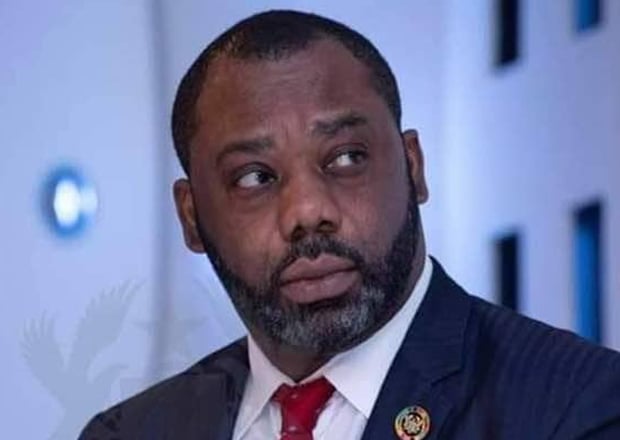
Dr. Mathew Opoku Prempeh, a prominent figure in the New Patriotic Party (NPP), has challenged the narrative surrounding the outcome of the 2024 Ghanaian general elections. Following a decisive victory for the National Democratic Congress (NDC), some within the opposition party portrayed the results as a complete rejection of the NPP’s governance. NAPO, however, argued against this interpretation, emphasizing the collaborative nature of much of the work accomplished during the NPP’s tenure. He stressed that numerous legislative decisions and policies enjoyed bipartisan support within Parliament, indicating a shared vision for the country’s progress. This, he contended, refutes the notion of a wholesale rejection of the NPP’s leadership and its direction.
NAPO’s address to Parliament on December 16th underscored the importance of a balanced perspective on the election results. While acknowledging the NDC’s victory, he cautioned against interpreting it as a complete repudiation of the NPP’s contributions. He pointed to the numerous instances where both parties had found common ground and worked together to advance the nation’s interests. This cooperative spirit, he argued, demonstrated a shared commitment to progress beyond partisan divides and should not be overlooked in the post-election analysis. He called for a more nuanced understanding of the electoral outcome, recognizing the complexities of public opinion and the multifaceted nature of governance.
Central to NAPO’s argument was the assertion that the parliamentary process itself often transcended partisan politics. Decisions made during the NPP’s time in office, he maintained, were largely rooted in a genuine desire to benefit the country as a whole. He highlighted the numerous instances where both sides of the house had reached consensus on key issues, indicating a shared commitment to national progress. This collaborative approach, he argued, demonstrated that the NPP’s governance was not unilaterally rejected, but rather operated within a framework of bipartisan engagement. He called for a recognition of the shared responsibility for both successes and shortcomings during the NPP’s term.
Further reinforcing his point, NAPO emphasized that the parliamentary focus should remain on national service rather than partisan triumphalism. He urged members of both parties to resist the temptation to interpret the election results solely through the lens of political victory or defeat. The true purpose of their work, he reiterated, was to serve the nation and address its pressing needs. This overarching objective, he argued, should supersede any partisan agendas and guide the proceedings of the house. He called for a renewed commitment to collaborative governance, emphasizing the importance of unity and shared purpose in moving the nation forward.
Looking ahead, NAPO advocated for a pragmatic approach to the transition of power. He suggested that contentious or unfinished legislative matters be deferred to the incoming NDC administration. This, he reasoned, would allow the new government to effectively implement the policies they had promised the electorate, respecting the mandate they had been given. Such an approach, he argued, would not only ensure a smooth transition but also demonstrate respect for the democratic process and the will of the people. He emphasized the importance of allowing the incoming administration the space to pursue its own agenda and address the nation’s challenges according to its vision.
In essence, NAPO’s message aimed to contextualize the election results within a broader narrative of parliamentary cooperation and national progress. He sought to counter the simplistic narrative of complete rejection by highlighting the collaborative nature of governance and the shared responsibility for the nation’s well-being. His call for pragmatism, collaboration, and a focus on national service served as a reminder that the parliamentary process should transcend partisan divides and prioritize the interests of the Ghanaian people. He urged all members to work together constructively, regardless of party affiliation, to address the challenges facing the nation and build a brighter future for all citizens.