









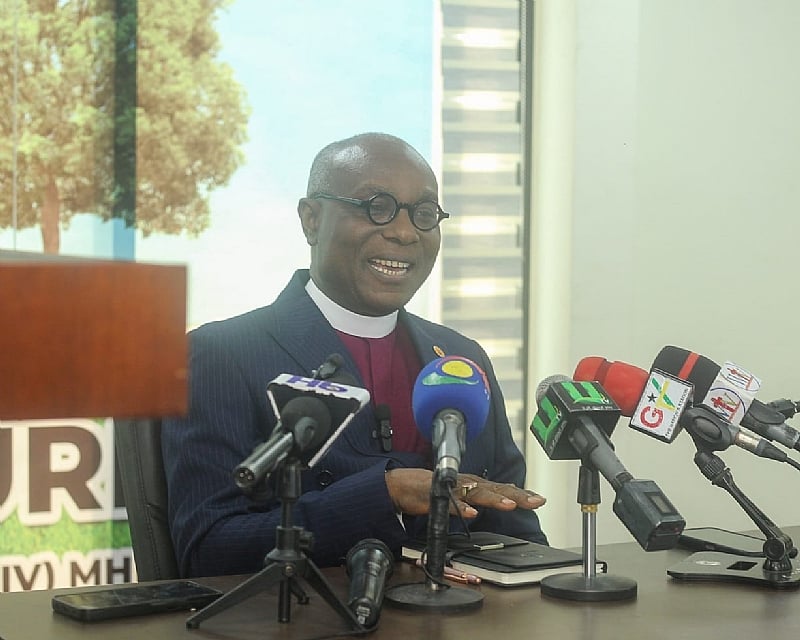
The Presiding Bishop of the Methodist Church Ghana, Very Reverend Professor J.K. Asamoah-Gyadu, has issued a pertinent call for restraint and responsibility within the religious sphere, particularly targeting the practice of prophecy. He cautioned against the proliferation of fear-inducing pronouncements disguised as divine revelations, emphasizing that many such prophecies stem from human conjecture rather than genuine spiritual insight. This appeal for measured and ethical prophetic declarations was delivered during a press briefing outlining the Church’s end-of-year message for 2024 and its outlook for the upcoming year, 2025. The Bishop stressed the importance of discerning true prophets from those who falsely claim divine authority, highlighting the biblical designation of such individuals as “false prophets.” He further underscored the need for wisdom and discretion, even when conveying authentic prophecies, advocating for private communication in cases involving sensitive personal information to avoid public humiliation and unnecessary exposure. The Bishop’s message emphasizes the redemptive purpose of divine revelation, urging prudence and thoughtful pronouncements, especially during significant religious events like watch-night services.
Beyond religious matters, the Presiding Bishop also addressed critical national issues. He commended the Electoral Commission for successfully conducting elections despite challenging circumstances. He expressed hope that both victors and vanquished would display grace and sobriety in the aftermath of the electoral process. Condemning the outbreaks of violence and destruction that marred the electoral period, he called upon security agencies to thoroughly investigate and hold accountable those responsible for the unrest. His message emphasizes the importance of peaceful transitions of power and respect for the democratic process, urging all stakeholders to uphold the principles of peace and stability.
The Presiding Bishop further addressed the devastating environmental impact of illegal small-scale mining, commonly known as “galamsey.” He expressed the urgent need for the incoming government to prioritize tackling this destructive practice and safeguarding Ghana’s natural resources. Recognizing the politicization of this issue, he stressed the universality of its detrimental effects, transcending political affiliations. His appeal for concerted action to combat galamsey underscores the importance of environmental stewardship and the collective responsibility to protect shared resources for the benefit of all citizens, irrespective of political allegiances. The goal, he stated, is to restore the environment, revitalize agriculture, and ensure equitable distribution of the nation’s resources for the common good.
Furthermore, the Presiding Bishop addressed the pressing social issue of streetism, expressing deep concern over the presence of children, who should be in school, engaged in street vending and other hazardous activities. This practice, he noted, not only jeopardizes their future prospects but also exposes them to significant risks and moral dangers. He urged the incoming government to prioritize addressing this problem and implement effective strategies to protect children’s rights and ensure their access to education and a safe environment. The Bishop’s message highlights the importance of investing in the future generation and creating a society where children are protected from exploitation and afforded opportunities to thrive.
The Presiding Bishop’s address encompassed a wide range of critical concerns, reflecting the Church’s commitment to both spiritual and societal well-being. He emphasized the importance of responsible religious practice, respect for democratic processes, environmental protection, and the welfare of vulnerable children. His call for collective action and shared responsibility underscores the interconnectedness of these issues and the need for collaborative efforts to address them effectively. His message serves as a timely reminder of the crucial role religious institutions can play in promoting positive social change and advocating for a just and equitable society.
Looking ahead to the Church’s 190th anniversary in 2025, the Presiding Bishop announced a series of planned celebratory activities. He reiterated the Church’s commitment to supporting the new government through prayer and advocacy, emphasizing the importance of collaboration between religious institutions and the state in pursuing national development goals. This collaborative approach, he emphasized, is essential for building a prosperous and harmonious nation founded on shared values and mutual respect. His message conveyed a sense of hope and optimism for the future, emphasizing the importance of faith, unity, and collective action in addressing the challenges facing the nation and building a better future for all Ghanaians.









