





Paragraph 1: Introduction to the Capacity-Building Training
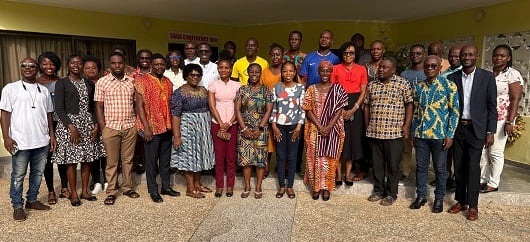
The Coastal Civil Society Organization Forum (CCF) orchestrated a crucial three-day capacity-building training initiative for Community-Based Organizations (CBOs) and Non-Governmental Organizations (NGOs) operating at subnational and national levels. Representatives from six districts within the Greater Accra and Volta Regions of Ghana participated in the training held at Villa Cisneros, Sogakope, Volta Region. The training aimed to bolster their understanding of, and engagement with, social and environmental safeguard processes, particularly in relation to the West Africa Coastal Area Management Project (WACA). This initiative, facilitated by CCF, underscores the growing recognition of the importance of local capacity for effective environmental management and sustainable development in vulnerable coastal regions. The training was monitored by the Communication for Development and Advocacy Consult (CDA Consult), highlighting the collaborative nature of the effort.
Paragraph 2: The Urgency of Coastal Erosion and Pollution
Mr. Noble Wadzah, CCF Coordinator, emphasized the pressing issues of coastal erosion and the resulting displacement of impoverished communities in West Africa. These challenges are particularly acute in this economically vital and densely populated region experiencing rapid development. The impact of plastic pollution adds another layer of complexity to the environmental crisis. Marine life suffers from ingestion and entanglement in plastic waste, leading to widespread harm and mortality. Furthermore, plastic pollution poses a threat to food security and human health, negatively impacts coastal tourism, and exacerbates climate change. Addressing these interconnected environmental threats requires a multi-faceted approach that includes community engagement, sustainable development practices, and effective waste management strategies.
Paragraph 3: Ghana’s Coastal Development Priorities and the WACA ResIP 2 Project
Ghana’s coastal areas, rich in natural resources, are central to the country’s economic and social well-being. Recognizing the importance of these zones, national development priorities have consistently focused on improving the lives of coastal communities and protecting the environment. This focus stems from the ongoing challenges facing the coastal areas, including erosion, displacement of communities, flooding, and loss of livelihoods. In response to these critical challenges, the Ghanaian government, through the Ministry of Environment, Science, Technology, and Innovation (MESTI) and with support from the World Bank, is implementing the West Africa Coastal Areas Resilience Investment Project 2 (WACA ResIP 2). This project targets specific beneficiary zones within the Greater Accra and Volta Regions, including GA South, Ablekuman West, Accra Metropolitan Assembly (James Town-Korleagoon), Anloga, Keta District, and Ketu Municipal Assembly. The project seeks to enhance resilience and mitigate the adverse impacts of coastal degradation.
Paragraph 4: The Stakeholder Engagement Plan (SEP) for WACA ResIP 2
Dr. Daniel D. N. Nortey, a Social Development Specialist, detailed the Stakeholder Engagement Plan (SEP) for the WACA ResIP 2 project. The SEP aims to provide a framework for robust stakeholder consultation and information dissemination, complying with both national legislation and World Bank Environmental and Social Framework (ESF) requirements. The primary goal is to ensure participatory decision-making by engaging Project-Affected Parties (PAPs), local communities, and other stakeholders early and effectively. This participatory approach aims to incorporate their opinions and concerns into project design and implementation, ensuring that local needs and priorities are addressed.
Paragraph 5: Objectives of the Stakeholder Engagement Plan
The SEP has multiple interlinked objectives designed to maximize stakeholder participation and project effectiveness. These objectives include: identifying the roles and responsibilities of all stakeholders; ensuring their participation throughout the project cycle; establishing a systematic approach to stakeholder engagement; building and maintaining constructive relationships, particularly with PAPs; assessing the level of stakeholder interest and support for the project; incorporating stakeholder views into project design and environmental and social performance; promoting inclusive engagement with PAPs on potentially affecting issues; and ensuring timely, understandable, and accessible disclosure of project information on environmental and social risks and impacts, with particular consideration for vulnerable groups.
Paragraph 6: Ensuring Accountability and Grievance Redress
A crucial element of the SEP is the establishment of accessible and inclusive mechanisms for raising grievances. This aspect ensures that project-affected parties have a clear and effective pathway to voice their concerns and seek redress. The Project Implementing Entity and its Project Implementation Unit are responsible for responding to and managing these grievances. This accountability mechanism reinforces the commitment to participatory development and strengthens the project’s social license to operate. By providing avenues for feedback and redress, the project aims to build trust and foster positive relationships with local communities, ensuring the project’s long-term sustainability and effectiveness. This holistic approach to stakeholder engagement highlights the importance of community ownership and partnership in achieving the project’s development objectives.








