The Coalition of Domestic Election Observers (CODEO) has issued a stark warning about the escalating costs of political campaigns in Ghana and their detrimental impact on the country’s democratic fabric. Citing alarming figures revealed by Anyaa Sowutuom MP, Dr. Dickson Adomako Kissi, who estimated parliamentary campaigns costing candidates an average of GHS 10 million, CODEO emphasized the urgent need for comprehensive constitutional and regulatory reforms to address this growing crisis. This exorbitant financial burden, they argue, not only creates an uneven playing field that favors wealthier candidates but also fuels corruption and undermines the core principles of representative governance.
Dr. Kissi’s revelations, made during a public discussion, highlighted the immense financial pressure on aspiring parliamentarians, particularly within the ruling New Patriotic Party (NPP). The substantial investment required to contest elections, from primaries to the general election, often forces candidates into a cycle of debt and financial strain. This financial burden, coupled with unrealistic expectations from constituents, often stemming from extravagant campaign promises, creates a fertile ground for corruption and self-serving behavior once in office. The focus shifts from serving the public interest to recouping campaign expenses and accumulating personal wealth, thereby betraying the trust placed in elected officials by the electorate.
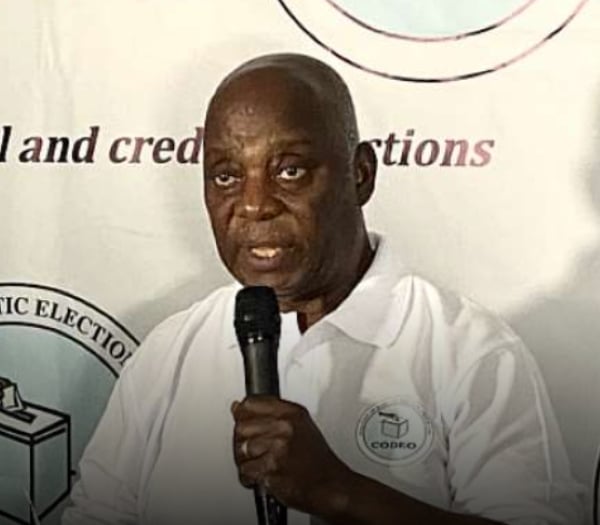
CODEO’s concerns, voiced by Co-chair Dr. Fred Deegbe, echo the anxieties of many Ghanaians who witness the increasing commercialization of politics. The exorbitant costs associated with campaigning effectively bar qualified and dedicated individuals from seeking public office, limiting the pool of potential leaders to those with significant financial resources, often acquired through questionable means. This creates a system where political power becomes concentrated in the hands of a select few, further exacerbating inequality and undermining the principles of equal opportunity and representation that are fundamental to a healthy democracy.
The call for reforms centers on the need for greater transparency and accountability in political financing. CODEO advocates for measures that would regulate campaign spending, limit individual and corporate contributions, and introduce stricter disclosure requirements. These reforms are essential to curb the influence of money in politics and level the playing field for aspiring candidates. By establishing clear and enforceable rules, Ghana can move towards a system where merit and public service, rather than financial prowess, determine who holds political office.
Furthermore, CODEO stresses the importance of constitutional amendments to strengthen the legal framework governing political financing. Existing laws are often inadequate to address the complexities of modern campaign finance, leaving loopholes that are readily exploited by those seeking to circumvent the regulations. Constitutional amendments would provide a more robust and enduring foundation for reform, ensuring that the necessary changes are not easily reversed by future administrations. This long-term perspective is crucial to building a sustainable and resilient democratic system that can withstand the corrosive influence of money.
In essence, CODEO’s appeal represents a crucial call to action for Ghana to confront a systemic challenge that threatens the very foundation of its democratic governance. The unchecked escalation of campaign costs not only distorts the electoral process but also erodes public trust in elected officials. By embracing comprehensive reforms that address the root causes of this problem, Ghana can reaffirm its commitment to democratic principles and ensure that public office remains a domain of service and not a marketplace for the wealthy. The future of Ghanaian democracy depends on addressing this issue with the urgency and seriousness it deserves.