





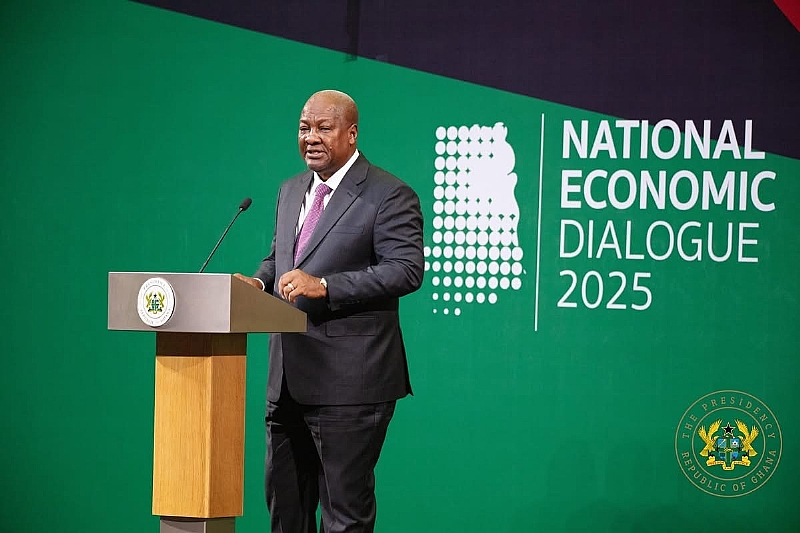
The National Economic Dialogue (NED), held in Accra in March 2025, brought together key stakeholders from the Ghanaian government, private sector, civil society, traditional authorities, and academia to address the pressing economic challenges facing the nation. Under the theme “Resetting Ghana – Building the Economy we want together,” the dialogue fostered robust discussions and a shared commitment to collaborative solutions for economic revival and transformation. The event emphasized the importance of inclusive dialogue and homegrown policies in building a resilient and prosperous future for Ghana. This summary will delve deeper into the context, acknowledgements, recognized challenges, proposed solutions, commitment to implementation, and the overarching vision for a revitalized Ghanaian economy.
The NED served as a crucial platform for open and constructive dialogue, recognizing the urgent need for collective action to address Ghana’s economic vulnerabilities. The presence and active participation of high-level panelists, chairpersons, technical experts, academics, industry leaders, and policymakers underscored the national commitment to finding sustainable solutions. The spirited nature of the discussions reflected a shared understanding of the complexities of the economic situation and the need for a multi-faceted approach involving all sectors of society. The event highlighted the importance of continued engagement beyond the dialogue to ensure that the momentum generated translates into concrete policy actions and tangible progress.
The dialogue acknowledged the severity of the economic crisis confronting Ghana, characterized by a fragile macroeconomic environment, significant risks stemming from state-owned enterprises, particularly in the energy and cocoa sectors, and long-standing structural deficiencies. These challenges, coupled with challenging financial conditions, threaten the nation’s macroeconomic stability and pose significant obstacles to sustainable economic growth. The dialogue underscored the need for urgent and decisive action to address these issues and build a more resilient and robust economy. The recognition of these challenges provided a critical foundation for formulating targeted interventions and strategies for economic recovery.
The central theme of the NED, “Resetting Ghana – Building the Economy we want together,” encapsulates the collective aspiration to revive and revitalize the Ghanaian economy through inclusive dialogue and homegrown measures. This approach emphasizes the importance of leveraging local expertise, knowledge, and resources to develop solutions tailored to Ghana’s specific context. By fostering a sense of ownership and shared responsibility, the dialogue aimed to create a roadmap for sustainable economic growth and transformation that benefits all Ghanaians. The emphasis on homegrown solutions reflects a belief in the ability of Ghanaians to chart their own course towards economic prosperity.
The dialogue strongly endorsed the government’s commitment to inclusive development and stressed the importance of timely, effective, and full implementation of the proposed interventions. This commitment underscores the urgency of translating the discussions and recommendations into concrete actions. The participants recognized that the success of the NED hinges on the effective implementation of the agreed-upon measures. By holding the government accountable for implementation, the dialogue sought to ensure that the aspirations for a revitalized economy translate into tangible improvements in the lives of Ghanaians.
The NED served as a critical juncture in Ghana’s economic journey, providing a platform for open dialogue, collaborative problem-solving, and a renewed commitment to building a resilient and inclusive economy. The recognition of the economic challenges, coupled with the emphasis on homegrown solutions and the government’s commitment to implementation, provides a foundation for optimism. The dialogue underscored the belief that by working together, Ghana can overcome its current challenges and build a prosperous future for all its citizens. The “resetting” of Ghana’s economy represents a collective endeavor to create a more sustainable, equitable, and prosperous nation.








