









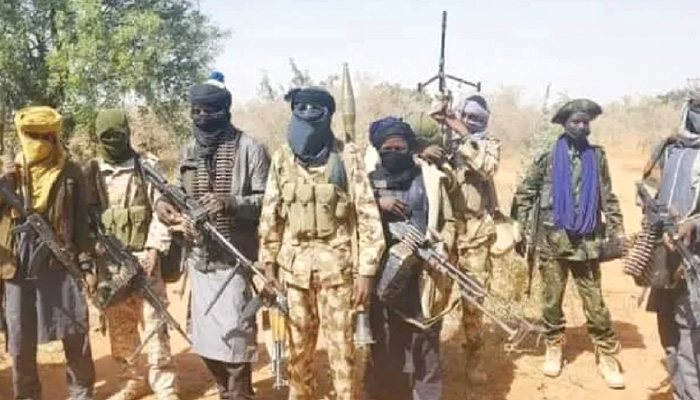
The escalating threat of the Lakurawa terrorist group in North-West Nigeria has sparked urgent calls for action from local communities. Alarmed by the group’s recent alliance with bandits in the region, residents are pleading with the federal government and security forces to intensify efforts to eliminate the Lakurawa and other criminal elements. The group’s recent attack in Kebbi State, which resulted in the deaths of two policemen and the theft of over 200 cattle, underscores the severity of the situation and contradicts earlier claims by the Minister of State for Defence that the group had been expelled from the country. This incident follows a previous attack in November where 17 people were killed and numerous cattle stolen, highlighting the persistent and growing danger posed by the Lakurawa.
The Lakurawa group, with ties to terrorist organizations in the Sahel region, particularly Mali and Niger Republic, has established a significant presence within North-West Nigeria. Reports indicate they have set up camps in ten local government areas across Sokoto and Bauchi states, extending their reign of terror to numerous communities. Locals confirm the Lakurawa’s collaboration with other bandit groups, amplifying the threat and making it more difficult for security forces to effectively combat them. This partnership, described as a strategic alliance based on shared motives, allows both groups to expand their numbers, strengthen their operational bases, and increase the frequency and intensity of their attacks. The combination of these forces has resulted in a surge of violent incidents, particularly along the Gusau-Sokoto road, where residents report an increase in attacks and a shift in tactics, with the terrorists now invading homes, a departure from their previous modus operandi.
Despite the growing evidence and local testimonies, both Sokoto and Kebbi state governments deny any knowledge of a formal alliance between the Lakurawa and bandit groups within their jurisdictions. They maintain that they are actively working with various security agencies, including the army, air force, police, and local vigilante groups, to address the security challenges. In Sokoto, the newly formed State Community Guards Corps plays a role in information gathering and collaboration with security forces. Following the recent attack in Kebbi, the governor reportedly contacted the Chief of Defence Staff to request air support, leading to a military operation that resulted in the recovery of some stolen cattle and the elimination of some bandits. Both state governments emphasize their ongoing efforts to restore peace and security within their borders.
The Defence Headquarters, responding to the escalating situation, has reaffirmed its commitment to eradicating the Lakurawa and other criminal groups operating in the North-West. They deny claims that military operations are solely focused on Sokoto State, emphasizing that their efforts cover the entire North-West theatre of operation. The Chief of Defence Staff has expressed optimism about concluding the fight against insecurity within the next two years, highlighting the significant progress made thus far in combating terrorism and other security challenges. He acknowledges the complex nature of asymmetric warfare, recognizing it as a regional and potentially global concern that requires sustained effort and collaboration. While acknowledging that complete peace is an elusive goal, the CDS defines success as restoring a sense of normalcy and security for Nigerians, allowing them to live, work, and go about their daily lives without fear.
Addressing the broader regional context, the Chief of Defence Staff also touched upon the political instability in neighbouring West African countries, particularly the recent military coups. While expressing Nigeria’s commitment to democracy and its opposition to coups, he emphasized the importance of continued dialogue and cooperation with these countries in the shared fight against terrorism. He reiterated Nigeria’s firm stance against allowing foreign military bases within its borders, emphasizing the potential for such arrangements to exacerbate existing tensions and transform the region into a proxy battleground. He underlined Nigeria’s capacity to secure its own territory and contribute to regional peace without foreign intervention, emphasizing the importance of joint training and cooperation while rejecting the presence of foreign boots on the ground.
Finally, concerning the presence of foreign actors in the Sahel region, specifically the Wagner Group, the Chief of Defence Staff clarified that he did not observe any Russian presence during his recent visit to Niger. He reiterated Nigeria’s non-aligned stance and its commitment to avoiding foreign intervention, stressing the importance of regional solutions to regional problems. Despite the complex and evolving security landscape, Nigeria remains focused on strengthening its own security apparatus, collaborating with regional partners, and working towards a future where its citizens can live in peace and security, free from the threat of terrorism and other forms of violence.









