





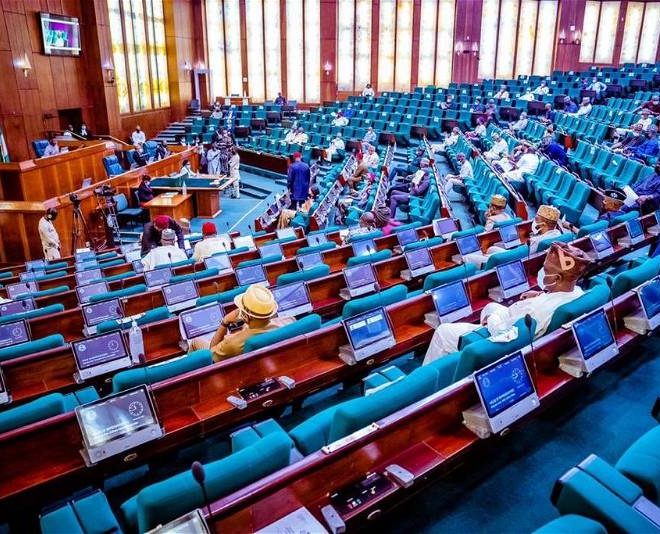
The withdrawal of the proposed amendment to the Electoral Act 2022, which sought to mandate voting for all eligible Nigerians, represents a significant shift in the legislative landscape. Introduced by Speaker Tajudeen Abbas and co-sponsored by Hon. Daniel Asama Ago, the bill aimed to bolster democratic participation by imposing penalties, including fines and imprisonment, on those who failed to cast their votes. The rationale behind the proposed legislation stemmed from the observation that low voter turnout could undermine the legitimacy and effectiveness of democratic processes. Proponents argued that compulsory voting, as practiced in countries like Australia, Belgium, and Brazil, could significantly enhance civic engagement and ensure a more representative electoral outcome. However, the bill’s introduction triggered a wave of public criticism and sparked a debate about the delicate balance between promoting civic duty and safeguarding individual liberties.
The primary contention against the proposed amendment revolved around the constitutionality of mandating voting. Critics argued that compulsory voting infringed upon the fundamental right to freedom of choice, a cornerstone of any democratic society. They maintained that citizens should have the autonomy to decide whether or not to participate in elections, and that compelling them to vote could be construed as an undue restriction on their personal liberties. Furthermore, concerns were raised about the practical implications of enforcing such a law, particularly in a country as vast and diverse as Nigeria, with its existing logistical challenges in conducting elections. Questions arose about the feasibility of identifying and penalizing non-voters, especially in remote areas with limited access to polling stations. The potential for abuse and manipulation of the system also became a focal point of the public discourse.
The Speaker’s decision to withdraw the bill reflects a responsiveness to public sentiment and a recognition of the complexities surrounding the issue of compulsory voting. While acknowledging the merits of increased voter participation, the Speaker emphasized the importance of aligning legislative reforms with the will of the people and respecting individual freedoms. This decision underscores the principle that laws should not only be effective but also enjoy broad public acceptance to ensure their successful implementation. The withdrawal signals a commitment to a more consultative and inclusive approach to electoral reform, prioritizing dialogue and consensus-building over potentially divisive measures.
The withdrawal paves the way for a broader conversation on how best to encourage voter participation without resorting to compulsory measures. This opens up opportunities to explore alternative strategies that address the root causes of voter apathy and promote a culture of voluntary engagement in the electoral process. Focusing on positive incentives, such as voter education campaigns and simplifying registration procedures, could prove more effective in encouraging participation than punitive measures. Furthermore, addressing underlying issues like lack of trust in the electoral system, perceived irrelevance of elections, and logistical barriers to voting access are crucial to enhancing voter turnout. This could involve implementing electoral reforms to improve transparency and accountability, as well as investing in infrastructure and resources to facilitate access to polling stations for all eligible citizens.
The focus now shifts towards developing innovative approaches that make voting more appealing and accessible to all Nigerians. This requires a multifaceted strategy that encompasses voter education initiatives to enhance civic awareness, streamlining registration procedures to remove bureaucratic hurdles, and ensuring the security and integrity of the electoral process to build public trust. Exploring alternative voting methods, such as online voting or postal ballots, could also expand access for marginalized communities and those with mobility limitations. Furthermore, civic engagement campaigns can play a crucial role in fostering a sense of responsibility and encouraging active participation in the democratic process. By empowering citizens with information and resources, and by creating a more inclusive and accessible electoral system, Nigeria can strive towards a higher voter turnout that reflects the true will of the people.
In conclusion, the withdrawal of the compulsory voting bill represents a pivotal moment in Nigeria’s ongoing efforts to strengthen its democratic institutions. It signifies a recognition that while enhancing voter participation is a crucial objective, it must be pursued through measures that respect individual freedoms and align with public sentiment. The move opens doors for a more inclusive and constructive dialogue on electoral reform, focusing on strategies that empower citizens and foster a culture of voluntary civic engagement. By prioritizing positive incentives, simplifying voting procedures, and addressing the underlying causes of voter apathy, Nigeria can strive towards a more robust and representative democracy that reflects the diverse voices of its people.








