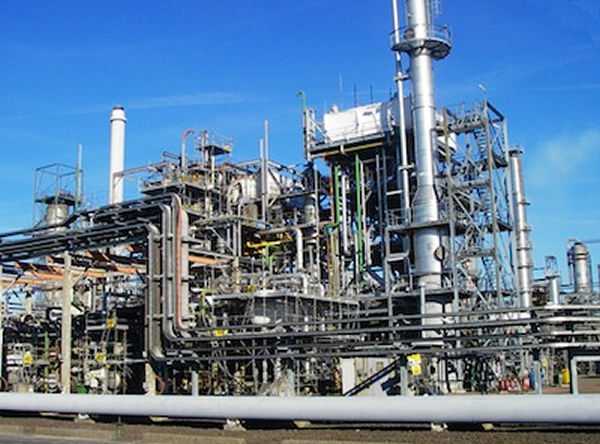
The Port Harcourt Refining Company’s operational capacity has come under scrutiny, following allegations that the petroleum products loaded from the facility recently were not newly refined but old stock that had been stored for three years. Timothy Mgbere, Secretary of the Alesa community stakeholders, noted that despite official claims from the Nigerian National Petroleum Company Limited (NNPCL) asserting the refinery was fully operational, the reality on the ground indicates otherwise. The facility is reported to have a capacity of 60,000 barrels per day; however, Mgbere contended that it was not fully operational as only six trucks of petroleum were loaded on Tuesday, contrary to the NNPCL’s assertion of 200 trucks daily. The allegations highlight the refinery’s persistent history of operational delays and unmet timelines, with the NNPCL having missed seven deadlines for the plant’s operations.
Industry experts echoed Mgbere’s concerns, pressing the NNPCL to address the discrepancies between their public statements and actual performance. While the NNPCL recently announced a return to operations at 70% capacity, aiming to produce diverse petroleum products including diesel and gasoline, skepticism remains rampant. The NNPCL spokesperson did not clarify the emerging doubts when questioned about the inconsistencies in operational claims. Observers from the industry urge the NNPCL to engage in transparent communication, particularly regarding the sourcing of Naphtha and other raw materials pivotal for the refinery’s operations. Questions about whether the refinery was operationally producing new refined products or simply dispatching existing stock have created a divide between community leaders and corporate claims.
Mgbere further criticized the recent ceremonies that were staged to signify the refinery’s return to operations, labeling them mere publicity stunts rather than reflections of actual productivity. He emphasized that while certain units of the old refinery were operational, the entire facility was not functional as claimed by the NNPCL. Mgbere’s assertion that the refinery’s loading operations had been severely exaggerated signals a community’s broader skepticism towards the government’s narrative surrounding the refinery’s revitalization, which has been heralded as a significant step toward national energy independence.
Moreover, Mgbere questioned the competence of the contractor responsible for the refurbishment of the refinery, indicating that the contractor has relied on subcontractors instead of managing the restoration directly. This reliance raises concerns about the quality and efficacy of the rehabilitation work completed thus far. The situation highlights the need for improved oversight and accountability in the project’s management, as stakeholders fear that the progress reported may not adequately reflect the actual state of the refinery operations.
Responses from oil industry experts suggest that there are legitimate concerns surrounding the refinery’s transparency and operational integrity. Energy specialists demanded clarity on the sources of feedstock and the operational status of various distillation units. There’s also significant concern relating to the NNPCL’s apparent delay in getting products to market, with experts positing that such behavior could indicate underhanded practices, potentially waiting to manipulate the market or foster misinformation. The independent marketers of petroleum products have expressed cautious optimism, pledging to provide support to the NNPCL, while maintaining critic observations about the ongoing delusions regarding the old refinery’s readiness for full operation.
Meanwhile, the Petroleum Products Retail Outlet Owners Association of Nigeria (PETROAN) publicly supported the NNPCL’s claims about the refinery being functional, emphasizing the need for direct engagement with the facility for verification. PETROAN insisted that the facility is currently producing refined petroleum products at a capacity of 70%, advocating for trust in the process until proven otherwise. Nonetheless, the conflicting narratives from community leaders, industry experts, and corporate entities continue to unravel in a complex web that questions not only the refinery’s current operational capacity but also the management practices of the NNPCL and its contractors. As the scrutiny intensifies, it remains crucial for the NNPCL to substantiate its claims with verifiable transparency to restore public trust and ensure collaborative efforts toward improving Nigeria’s oil refining capabilities.