









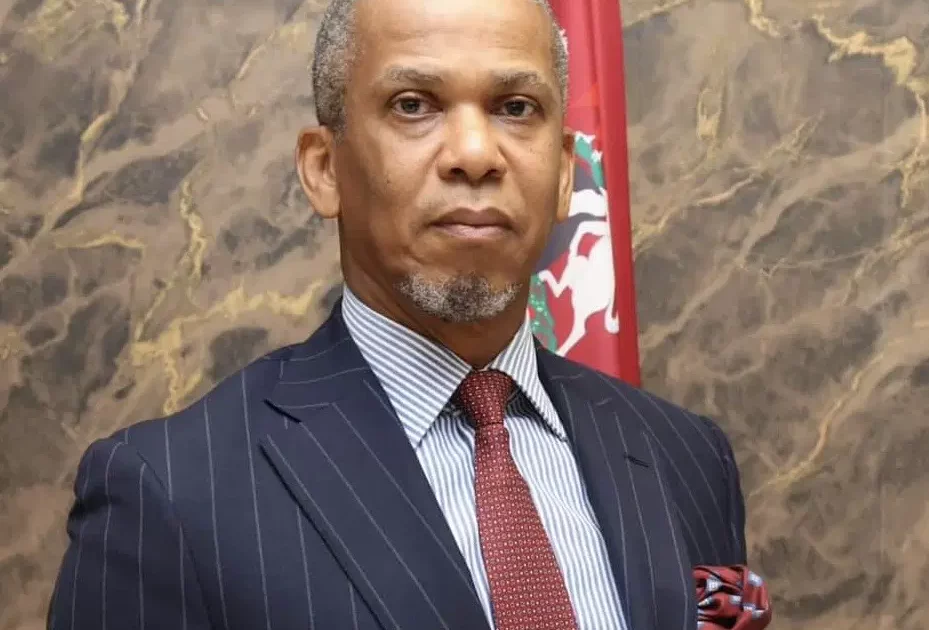
Senator Ede Dafinone, representing Delta Central, has recently endorsed the renewed agitation for the creation of Anioma State from the current Delta State, framing it as a pursuit of equity and regional development. Speaking to journalists in Ughelli, Dafinone emphasized the pressing need for a more equitable distribution of resources and political representation. He articulated that the creation of Anioma State would not only align with the principles of fairness but also enhance overall development in the region, establishing a more cohesive and efficient governance structure that reflects the diverse interests of Delta State’s inhabitants.
During his remarks, Dafinone highlighted the significance of this discussion for the Urhobo nation, the largest ethnic group within Delta State, which comprises over 10 million individuals residing in eight Local Government Areas across Delta Central and extending into Delta South and Bayelsa State. He pointed out that these ongoing deliberations surrounding the creation of Anioma State are a pivotal opportunity for all constituent tribes within Delta State to engage in meaningful dialogue about regional aspirations. Dafinone’s support stems from a belief that genuine representation is essential for social progress, which can be realized through the creation of a “true Delta State.”
The senator emphasized the Urhobo people’s commitment to solidarity with the Anioma cause, despite their own quest for statehood. This solidarity, he stated, highlights the existing unity and mutual respect that has flourished among different ethnic groups in Delta State since its inception in 1991. Dafinone’s language underlined the industrious and egalitarian spirit of the Urhobo people as a backbone of cooperation within the state, emphasizing a shared history that promotes collective aspirations for equitable development and political inclusiveness.
Dafinone’s vision for a “true Delta State” involves situating the capital in Delta Central, which he believes would acknowledge the rich cultural heritage of the region while fostering a framework conducive to development for all ethnic groups. He insists that this proposal is not simply a logistical or demographic concern; rather, it represents a tangible commitment to achieving equity and sustainable development. The senator urges a collective effort toward reimagining Delta State’s political landscape to better serve and uplift all communities within its borders.
The senator articulated that the creation of Anioma State could serve as a catalyst for positive change, benefiting not only the Anioma people but improving governance and resource allocation for everyone in Delta State. He believes that a restructured state could offer tailored solutions to the unique challenges faced by different communities, thus ensuring that no ethnic group is marginalized in the political sphere. This vision of inclusivity speaks to a broader narrative of unity and cooperation, one that seeks to harness the strengths of diverse ethnic groups toward communal advancement.
In conclusion, Dafinone’s advocacy for the creation of Anioma State stands as a testament to his commitment to equity and progress for all ethnic groups in Delta State. By supporting this cause, he fosters an environment for constructive dialogue and collaboration among various communities, reinforcing the notion that the future of Delta State should accommodate the aspirations of its citizens. He encourages a collective embrace of these ideas, which not only promise to enhance governance but also ensure that every constituent has the opportunity to thrive. Through mutual respect and understanding, Dafinone envisions a Delta State that honors its complex heritage while ambitiously advancing toward a more equitable future.









