Dangote Refinery Faces Logistics and Regulatory Hurdles, Sparking Concerns Over Competitiveness and Market Access
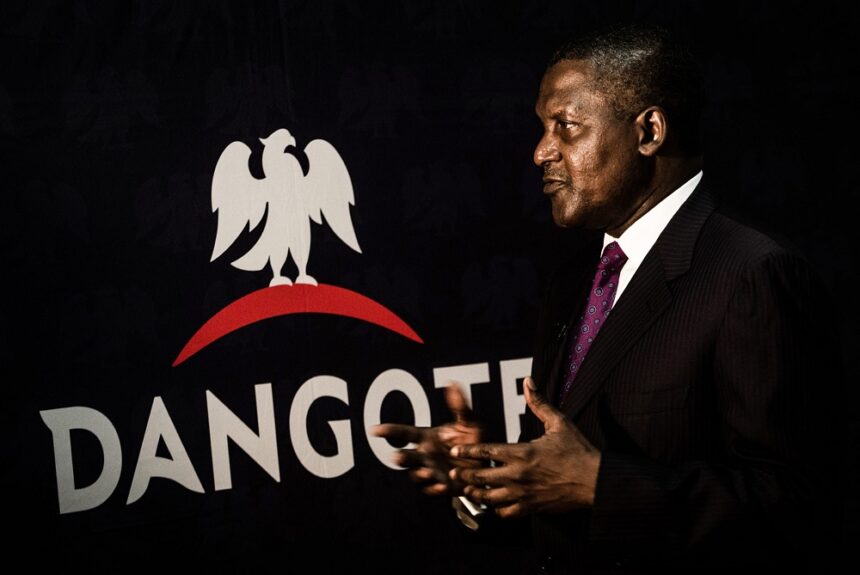
Aliko Dangote, President of the Dangote Group, has voiced concerns about escalating logistical and regulatory obstacles that are impeding the competitiveness of the newly commissioned Dangote Refinery. A key issue highlighted by Dangote is the higher cost of lifting petroleum products from the Lekki-based refinery compared to importing from offshore storage depots in neighboring countries like Togo. This disparity stems from the multiple charges levied on domestic marketers at both loading and discharge points when sourcing from the Dangote Refinery, a cost structure absent when importing from terminals like the Lomé Floating Storage Terminal. This cost discrepancy incentivizes continued reliance on imports, hindering the refinery’s ability to compete effectively and undermining the government’s push for self-sufficiency in refined petroleum products.
The cost differential arises from port charges levied on marketers sourcing from the Dangote Refinery. Unlike imports from Lomé, where charges apply only at the discharge point, marketers face charges at both loading and discharge points when procuring from the refinery. This dual charging structure adds to the overall cost, making domestically refined products less competitive. While the Independent Petroleum Marketers Association of Nigeria (IPMAN) suggests this extra cost may not apply to local buyers utilizing gantry loading, it remains a significant concern for marketers relying on coastal routes from other countries. The added logistical complexities and costs associated with coastal trade from Nigeria compared to other countries further disadvantage the Dangote Refinery.
The implication of this pricing disadvantage is substantial, contributing to the persistent high rate of petroleum product imports (currently estimated at 69%). This reliance on imports not only creates foreign exchange pressure but also exposes the African market to an influx of cheap, often substandard, and potentially harmful fuel products, highlighting a double-edged sword of economic and environmental concerns. The preference for imported fuel undermines the Dangote Refinery’s potential to contribute to local economic growth, job creation, and improved fuel quality.
Beyond port charges, other concerns have emerged regarding the Dangote Refinery’s market practices. The Depot and Petroleum Products Marketers Association of Nigeria (DAPPMAN) has accused the refinery of employing restrictive sales strategies and opaque pricing models that hinder open market access and stifle competition in the downstream sector. Marketers allege that the refinery’s sales process lacks transparency, with prices only revealed after clearance, creating uncertainty and potentially favoring select buyers. This perceived preferential treatment raises concerns about fair competition and the potential for market manipulation, further exacerbating the challenges faced by independent players in the downstream sector.
These restrictive practices, coupled with the logistical cost disadvantages, paint a picture of a market environment where the Dangote Refinery, despite its immense potential, struggles to fully integrate and compete effectively. The lack of transparent pricing and readily available access to products for all marketers creates an uneven playing field, potentially hindering the development of a robust and competitive downstream sector. This situation necessitates regulatory intervention to ensure fair market practices and prevent the emergence of a monopoly, safeguarding the interests of smaller players and promoting a healthy competitive landscape.
The situation calls for a thorough review of the existing regulatory framework and port charging structures. A level playing field is essential to encourage local refining and reduce reliance on imports. Addressing the concerns raised by marketers regarding access and pricing transparency is crucial to fostering a competitive market and maximizing the benefits of the Dangote Refinery for the Nigerian economy and the broader West African region. Balancing the interests of investors with the need for fair competition is paramount to ensuring the long-term health and sustainability of the downstream petroleum sector. The current challenges present an opportunity for regulatory reform and industry collaboration to unlock the full potential of the Dangote Refinery and create a truly competitive and dynamic market.