Dangote Refinery’s Price Reduction and its Impact on the Nigerian Fuel Market
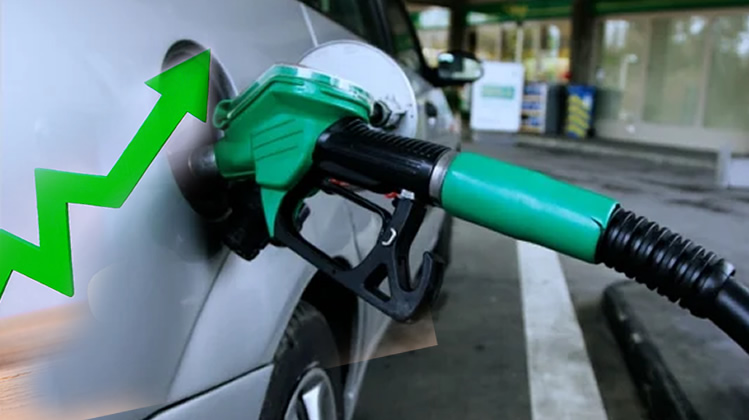
The Nigerian fuel market is poised for a significant shift as the Dangote Petroleum Refinery has announced a reduction in its ex-depot price of Premium Motor Spirit (PMS), commonly known as petrol, to N899.50 per litre. This marks the second price cut within a month, representing a 7% decrease from the previous price of N970 per litre. This move is expected to trigger a ripple effect, leading to lower retail petrol prices across the country. The Independent Petroleum Marketers Association of Nigeria (IPMAN) projects retail prices to fall to around N950 per litre in Lagos and N990 per litre in Abuja, with variations depending on logistical factors such as diesel costs, which remain high.
Dangote’s price reduction comes as a welcome relief for Nigerians, particularly during the holiday season. The refinery has further sweetened the deal by offering a unique credit scheme, allowing customers to purchase an additional litre of petrol on credit for every litre bought in cash. This initiative aims to alleviate transport costs during the festive period. The refinery’s commitment to providing high-quality, competitively priced fuel is a significant development for the Nigerian economy, signaling a departure from the era of substandard imported products that posed risks to both human health and the environment. The Dangote Refinery, boasting a capacity of 650,000 barrels per day, is well-positioned to meet Nigeria’s domestic fuel demand and potentially create export opportunities.
The IPMAN had previously advocated for a price reduction from Dangote Refinery, citing the decreased landing cost of petrol in Nigeria. The association’s chairman, Abubakar Maigandi, welcomed the price cut, emphasizing its potential to significantly benefit consumers and stimulate economic activity, particularly in the transportation sector. He expressed optimism that the lower prices would translate to reduced transportation costs, thereby boosting the overall economy. The elimination of the need to import petrol is another key advantage, further bolstering Nigeria’s self-sufficiency in fuel production.
The Petroleum Products Retail Outlets Owners Association of Nigeria (PETROAN) also lauded Dangote Refinery’s price reduction, highlighting its positive impact on consumers and the cost of living. PETROAN’s president, Dr. Billy Gillis-Harry, commended the Nigerian National Petroleum Company Limited (NNPCL) for ensuring sufficient fuel stocks during the holiday season. However, he urged the NNPCL to review its own pricing strategy to promote competition in the downstream sector. He believes that the privatization of the Port Harcourt Refinery would further enhance competition and drive innovation in the industry. Furthermore, Dr. Gillis-Harry revealed that PETROAN members had proactively reduced their retail prices even before Dangote’s announcement, demonstrating their commitment to providing affordable fuel to Nigerians.
Despite these positive developments, a recent report by Argus indicates that the NNPCL has fallen short of its commitment to supply 385,000 barrels of crude per day to Dangote Refinery in December, delivering only around 202,000 barrels per day. This shortfall highlights the challenges that still exist in optimizing the supply chain for the refinery. The report also predicts that the anticipated ramp-up of production at the Dangote Refinery in the coming year will significantly impact West African crude trade flows by 2025. As the refinery increases its output and utilizes its full allocation from the NNPCL, the volume of Nigerian crude available for export to other markets, particularly Europe, will decrease.
The report further analyzes the potential impact of the refinery’s expansion on crude differentials. While the NNPCL’s December supply was below target, the overall volume under the agreement represents a significant portion of Nigeria’s crude and condensate exports. This arrangement is expected to provide support for Nigerian crude differentials, particularly during periods of strong European demand. As Dangote Refinery expands its operations, it is likely to diversify its crude slate, potentially incorporating Angolan heavy and medium sweet grades. This diversification could further influence crude trade flows in the region. The refinery’s recent purchase of US light sweet WTI crude also suggests its intention to increase run rates and optimize its production capacity. This dynamic interplay between the Dangote Refinery, the NNPCL, and international crude markets will continue to shape the landscape of the Nigerian oil and gas sector in the coming years.