

The Return of the Prodigal Son: David Moyes Back at Everton
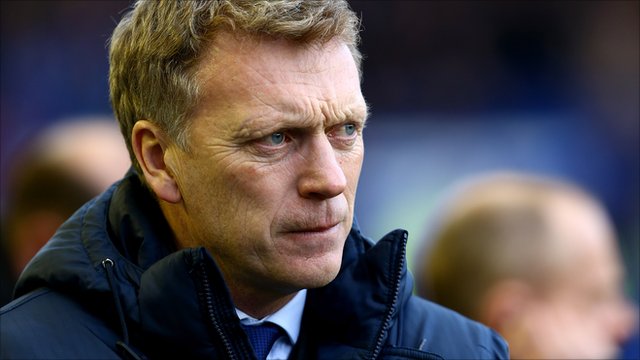
Everton Football Club, mired in a desperate struggle against relegation from the Premier League, has turned to a familiar face in their hour of need. David Moyes, the Scotsman who guided the Toffees for over a decade, has returned to Goodison Park following the dismissal of Sean Dyche. This marks Moyes’s second stint at the helm, evoking memories of a more stable and successful era for the Merseyside club. The announcement, made on Saturday, comes after a dismal run of results that has left Everton teetering precariously above the drop zone, their Premier League survival hanging in the balance.
Moyes’s first tenure at Everton, spanning from 2002 to 2013, was a period of relative consistency and progress. He transformed the club from relegation battlers to regular contenders for European football, earning plaudits for his tactical acumen and ability to build competitive teams on a limited budget. His departure to Manchester United in 2013, succeeding the legendary Sir Alex Ferguson, proved to be an ill-fated move, and subsequent spells at Real Sociedad, Sunderland, and West Ham United yielded mixed results. Nevertheless, his experience and familiarity with Everton make him a seemingly logical choice for a club in crisis, albeit one that carries the weight of expectation and the pressure to deliver immediate results.
The decision to sack Sean Dyche, just eight months after his appointment, underscores the severity of Everton’s predicament. While Dyche managed to steer the club to safety last season, narrowly avoiding relegation on the final day, his pragmatic approach failed to ignite a spark this season. A string of poor performances, culminating in a 1-0 defeat to Bournemouth where Everton failed to register a single shot on target, sealed his fate. The club’s attacking impotence has been a recurring theme, with a paltry goal return contributing significantly to their precarious position. Dyche’s dismissal, while perhaps harsh considering the circumstances he inherited, reflects the board’s desperation for a change in fortunes and a renewed belief in avoiding the dreaded drop.
The interim period before Moyes’s official return will see former player Leighton Baines and current captain Seamus Coleman take charge of the FA Cup clash against Peterborough. This temporary stewardship allows Moyes time to assess the squad, formulate a strategy, and begin the arduous task of revitalizing a team lacking in confidence and direction. The FA Cup tie, while important, pales in comparison to the looming threat of relegation, and Moyes will undoubtedly prioritize Premier League survival above all else.
Moyes inherits a squad grappling with numerous challenges. Lack of goals, defensive frailties, and a general lack of creativity have plagued Everton throughout the season. The onus will be on Moyes to quickly identify and address these weaknesses, instilling a sense of urgency and purpose within the team. His man-management skills, tactical nous, and experience in high-pressure situations will be crucial in galvanizing the players and steering them away from the relegation zone. The task ahead is daunting, but Moyes’s track record at Everton, albeit over a decade ago, provides a glimmer of hope for the beleaguered club.
The return of David Moyes to Everton is a story of both nostalgia and necessity. It’s a gamble by a club desperate for salvation, a hark back to a more stable era, and a testament to the cyclical nature of football management. The coming weeks and months will reveal whether Moyes can recapture the magic of his first spell at Goodison Park and lead Everton to safety, or whether this reunion will ultimately prove to be a bittersweet reminder of what once was. The pressure is immense, the stakes are high, and the fate of Everton Football Club hangs in the balance.