





Paragraph 1: The Clash and the Context
On January 4, 2025, a fierce encounter erupted between Nigerian troops and a combined force of Islamic State of West Africa Province (ISWAP) and Boko Haram terrorists in Sabon Gari village, Damboa Local Government Area of Borno State. This clash occurred in the volatile landscape of northeastern Nigeria, a region long plagued by insurgency and terrorist activities. The terrorists’ attack was reportedly a retaliatory measure for the recent losses they had suffered at the hands of the Nigerian military, where their commander and several fighters were eliminated. This cycle of violence highlights the ongoing struggle between the Nigerian Armed Forces and these extremist groups. The attack on Sabon Gari underscored the persistent threat posed by these insurgents, who sought to exploit vulnerabilities and inflict damage on both military and civilian targets.
Paragraph 2: The Terrorist Assault and the Initial Response
The terrorists, numbering in an unspecified quantity, launched their assault on Sabon Gari riding motorcycles and gun trucks, aiming to catch the troops stationed there by surprise. Their strategy centered on utilizing their mobility and firepower to overwhelm the defenders. However, their plans were disrupted when a Nigerian patrol team, returning to base, stumbled upon the impending ambush. This unexpected encounter triggered the initial firefight, which thwarted the terrorists’ intended surprise attack and forced them into open combat. The prompt response by the patrol team played a crucial role in preventing the terrorists from gaining an early advantage and achieving their objective of a swift, devastating attack.
Paragraph 3: Reinforcements Arrive and Turn the Tide
Recognizing the severity of the situation, a reinforcement team, comprised of elements from the Civilian Joint Task Force, vigilantes, and hybrid forces, was swiftly dispatched to Sabon Gari. Their timely arrival significantly bolstered the troops’ defensive capabilities and shifted the momentum of the battle. The combined forces successfully engaged the terrorists, forcing them to retreat. Despite encountering an improvised explosive device (IED) that injured the Vigilante Commander, the reinforcement team pressed on, relentlessly pursuing the fleeing insurgents. This coordinated response demonstrated the effectiveness of collaborative efforts between the military and local security forces in countering the terrorist threat.
Paragraph 4: Air Power Decimates the Fleeing Terrorists
As the terrorists attempted to escape, the Air Component of Operation HADIN KAI, the Nigerian military’s counter-insurgency operation, launched air interdictions. These targeted airstrikes proved devastatingly effective, inflicting significant casualties on the fleeing terrorists and further disrupting their retreat. A subsequent battle damage assessment revealed the extent of the air component’s success, confirming the elimination of a substantial number of terrorists and the recovery of a large cache of weapons and ammunition. The air power component played a critical role in exploiting the terrorists’ vulnerability during their retreat and significantly contributed to the overall success of the operation.
Paragraph 5: Assessing the Casualties and the Aftermath
The aftermath of the battle revealed a heavy toll on both sides. The Nigerian Armed Forces confirmed the deaths of six personnel during the engagement. Their names were withheld pending notification of their next of kin, a standard procedure demonstrating respect for the fallen and their families. On the other hand, 34 terrorists were confirmed killed in the encounter. The troops also recovered a substantial amount of weaponry, including 23 AK-47 rifles and over 200 rounds of 7.62mm special ammunition. This seizure of weapons and ammunition dealt a blow to the terrorists’ logistical capabilities and hindered their future operations.
Paragraph 6: Reaffirming the Commitment to Ending Terrorism
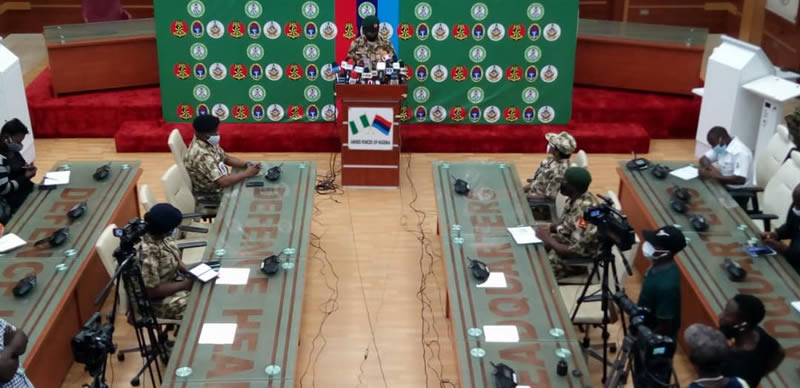
In the wake of the Sabon Gari clash, the Defence Headquarters reiterated the unwavering commitment of the Armed Forces to eradicating insurgency and terrorism across the nation. The military emphasized the resolve of its troops to continue their operations against these extremist groups, despite the inherent risks and sacrifices involved. The statement also appealed for media cooperation in respecting the process of notifying the families of the fallen soldiers, highlighting the sensitivity and importance of handling such matters with dignity. The Sabon Gari incident served as a stark reminder of the ongoing conflict in northeast Nigeria and the persistent challenges faced by the security forces in their fight against terrorism.








