The Ghanaian Parliament finds itself in a tense standoff regarding the crucial Expenditure in Advance of Appropriation for the first quarter of 2025. This vital financial instrument, commonly referred to as a vote on account, is designed to bridge the funding gap between the end of the current fiscal year and the presentation of the next budget by the incoming administration. Its absence has sparked concerns, particularly among the Minority in Parliament, who allege a deliberate delay by the outgoing government. This delay threatens to disrupt the smooth functioning of government operations during the transition period, creating uncertainty for public sector workers and potentially impacting the delivery of essential services.
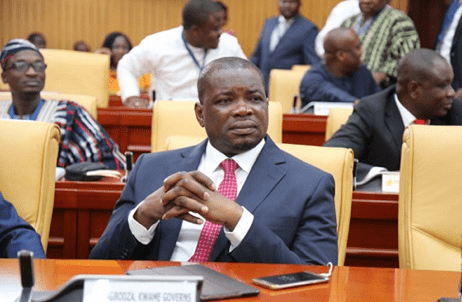
At the heart of the controversy is the conspicuous absence of key government figures during parliamentary proceedings. Both the Finance Minister and the Majority Leader have been noticeably absent, preventing the presentation and subsequent debate of the Expenditure in Advance of Appropriation. The Minority Chief Whip, Governs Agbodza, has voiced his party’s concerns, characterizing the situation as a “troubling mystery.” He questions the government’s motives, suggesting a potential “conspiracy” to obstruct the passage of the vote on account before the dissolution of the eighth Parliament. This delay, he argues, could have serious implications for the outgoing Akufo-Addo administration, potentially leading to constitutional repercussions.
The Minority’s suspicion stems from the fact that the Speaker of Parliament has already received the document, yet the government appears reluctant to formally present it for consideration. This perceived inaction raises questions about the government’s intentions. Is this a genuine oversight, a bureaucratic bottleneck, or a deliberate attempt to create a financial crisis for the incoming administration? The Minority believes the latter, accusing the government of playing political games with the nation’s finances. They warn that the consequences of this inaction will fall squarely on the shoulders of President Akufo-Addo, Vice President Bawumia, and the Finance Minister.
The Minority’s anxieties are further amplified by the looming transition to a new administration. The vote on account is not merely a procedural formality; it is the financial lifeblood that sustains government operations during the interim period before the new budget is approved. Without it, essential services could be disrupted, salaries might go unpaid, and the machinery of government could grind to a halt. This would not only create hardship for ordinary citizens but also undermine the stability of the country during a delicate political transition. The Minority’s plea for urgent action underscores the gravity of the situation.
In response to the Minority’s accusations, the Member of Parliament for Manhyia South, Dr. Matthew Opoku Prempeh, has offered an alternative explanation. He denies any deliberate attempt by the government to obstruct the process, suggesting instead that the Finance Minister may be planning to amend the document before its presentation. This explanation, however, does little to allay the Minority’s concerns. The lack of clear communication from the government, coupled with the absence of key officials, fuels speculation and deepens the sense of mistrust.
The current impasse underscores the importance of transparent and accountable governance, particularly during periods of political transition. The delay in presenting the Expenditure in Advance of Appropriation has created a climate of uncertainty and fueled suspicion. It highlights the need for clear communication and collaboration between the outgoing and incoming administrations to ensure a smooth transfer of power and the uninterrupted functioning of government. The resolution of this issue will be a crucial test of Ghana’s democratic institutions and its commitment to responsible fiscal management. The future stability and prosperity of the nation depend on the ability of its leaders to prioritize the interests of the people above political maneuvering.