









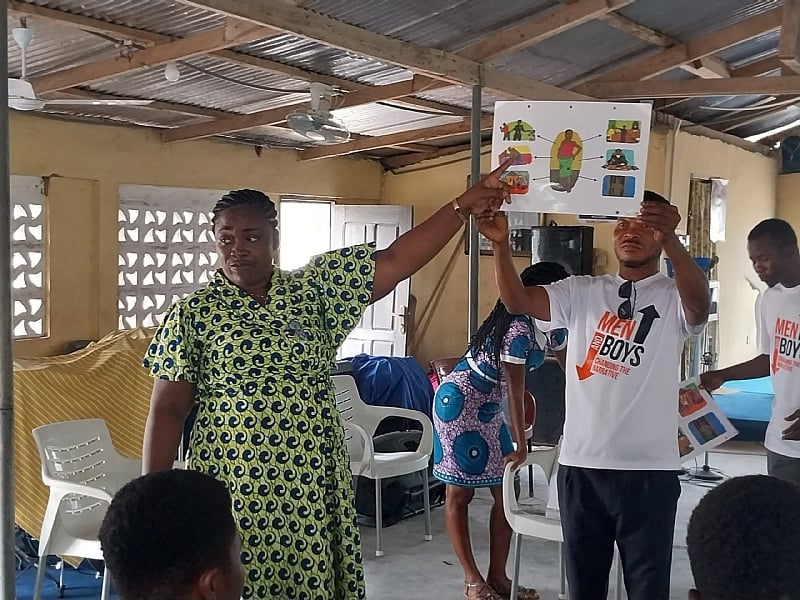
On November 15, 2024, the Department of Gender in the Volta Region organized a one-day dialogue session in Mafi Kumase, Central Tongu District, bringing together young men to discuss gender equality and sexual and reproductive health rights (SRHR). This initiative, part of the Global Program to End Child Marriage supported by the United Nations Population Fund (UNFPA), aimed at reshaping perceptions of masculinity and addressing significant issues such as gender-based violence and adolescent pregnancies. Madam Kpe, the Volta Regional Director of Gender, emphasized that the dialogue is crucial for promoting gender equality and fostering healthier masculinities among young men. She mentioned that harmful notions of masculinity often lead to risky behaviors that jeopardize health and result in serious legal issues, including sexual offenses.
A central objective of the dialogue was to reduce adolescent pregnancies, gender-based violence, and discrimination against women by promoting positive masculinity. Madam Kpe articulated the intention behind the dialogue, which is to help reshape narratives and encourage young men to adopt healthier attitudes towards sexual and reproductive health. This approach not only targets the reduction of harmful behaviors but also the creation of a supportive network of young men who could advocate against gender-based violence and child marriage. The success of previous engagements, reaching almost 300 young men across various communities, reflects the potential impact of these discussions on changing societal norms around masculinity and gender relations.
During the event, public health nurse Godsway Adabah led an educational session on SRHR, stressing the dangers of Sexually Transmitted Infections (STIs) such as HIV, gonorrhea, and chlamydia. He highlighted the serious health complications associated with untreated STIs, which can lead to severe consequences, including death and mental impairment. Additionally, Adabah presented encouraging statistics on teenage pregnancy rates in the region, noting a decline from 17% in 2021 to 13.1% in October 2024, while also acknowledging the existing challenges related to health attitudes across different districts. By promoting reporting of sexual violence cases and encouraging community involvement, significant strides have been made in tackling these issues, demonstrating a collective effort towards improvements in sexual health and education.
Hon. Azanu, the local Assembly Member, expressed satisfaction with the engagement and recognized the importance of parental responsibility in addressing the complex issues discussed during the session. He underscored that many challenges faced by young people stem from a lack of proper care and guidance from parents and urged the youth to focus on maintaining their futures through preventive measures, recommending total abstinence for those under 18. His call to action emphasizes the significance of personal responsibility in conjunction with community support for effective change.
The dialogue session also received backing from local chiefs and Queen Mothers, who pledged their commitment to combat sexual violence in their communities. Their involvement underscores the importance of integrating traditional leadership into modern discussions on gender equality and health, highlighting the potential for collaborative efforts in creating a safe and supportive environment for young men and women alike. The dialogue was framed not only as an educational opportunity but also as a launchpad for collective community actions aimed at transforming gender relations.
In conclusion, the dialogue session represents a vital milestone in promoting gender equality and enhancing sexual and reproductive health rights in the Volta Region. By focusing on redefined masculinities and collaborative community efforts, this initiative seeks to empower young men as advocates for positive change. The commitment displayed by local leaders and participants alike signals a promising shift towards reducing gender-based violence and fostering healthier communities that prioritize the rights and well-being of all individuals. As the region moves forward, the hope is that the knowledge and insights gained from such dialogues will inspire long-lasting transformations that benefit future generations.









