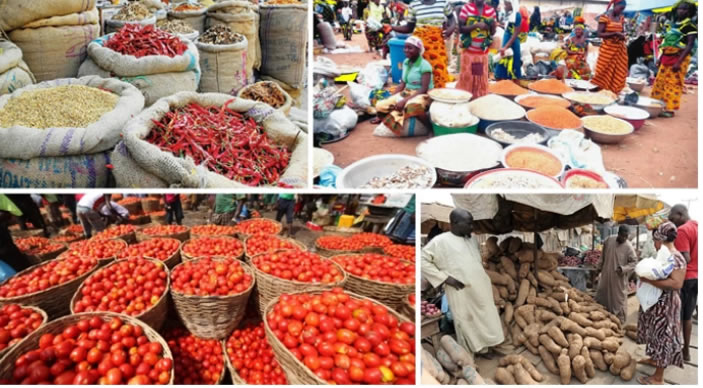
The bustling markets of Lagos painted a vivid picture of pre-Christmas fervor as Nigerians thronged to make last-minute purchases for the festive season. However, the festive spirit was tempered by a noticeable surge in the prices of foodstuffs and other essential commodities compared to the previous year, and even the preceding week. Despite the inflated costs, determined shoppers continued to acquire what their budgets allowed, showcasing the resilience and importance of the Christmas tradition in Nigerian culture. This price hike touched virtually every item, from frozen foods like turkey and chicken to fresh produce and even everyday staples like peppers and tomatoes. The increased cost of living was palpable, forcing consumers to make difficult choices and adjust their spending to accommodate the inflated market prices.
The Ijora frozen foods market, typically a hub for festive poultry purchases, witnessed a significant jump in prices. A carton of turkey, a Christmas staple, saw its price escalate from N44,000 to N57,000 in a matter of days. Chicken also experienced a similar price increase, with a carton retailing for around N84,000. Even seafood wasn’t spared, as a sack of croaker fish commanded a hefty price of N120,000. The escalating costs underscored the economic pressures facing consumers, forcing many to reconsider the quantity and types of festive foods they could afford. This price surge reflected broader economic trends, likely influenced by factors such as inflation, supply chain disruptions, and increased demand during the holiday season.
Beyond food, other markets reflected the same inflationary trend. At Tejuosho Market, known for its clothing and diverse offerings, shoppers hunted for festive attire and gifts. While the market buzzed with activity, some surrounding businesses, including bookshops, had already closed for the Yuletide period. Interestingly, the market also revealed a resourceful response to the newly implemented electronic transfer levy. Some point-of-sale (POS) operators devised a workaround to avoid the N50 charge on transactions above N10,000 by processing payments in increments of N9,999. This innovative, albeit technically compliant, strategy highlighted the operators’ efforts to mitigate the financial impact of the levy on their businesses and customers.
The Trade Fair market presented a similar scene of brisk commercial activity. Customers flocked to stalls selling cosmetics, hair products, makeup, perfumes, and a range of foodstuffs. The prices of essential produce, such as onions, peppers, cabbages, and tomatoes, were significantly higher than usual. Onions ranged from N1,000 to N3,000 depending on size, while bell peppers commanded N2,000 apiece. The price of a paint bucket of tomatoes reached N6,000, reflecting a considerable increase. Even relatively inexpensive items like cayenne and habanero peppers saw price increases, albeit less dramatic. The overall impression was one of widespread price inflation affecting a wide spectrum of goods, further emphasizing the increased cost of living.
The rising cost extended beyond processed foods and produce, impacting even live poultry. Live broiler chickens were sold for N18,000 to N20,000 each, while a pair of layer chickens could be purchased for N17,000. One shopper lamented the inability to purchase two broiler chickens for N20,000 as they could have the previous year, highlighting the impact of inflation on purchasing power. This price increase affected not just festive meals but also the potential for small-scale poultry farming or egg production, further impacting household economies. At Iyana-Iba market, live turkeys were priced at N31,000, with similar increases seen in the prices of tomatoes, peppers, and other vegetables. The consistent price hikes across different markets underscored the pervasiveness of the inflationary pressures.
Adding to the financial burden of the season, transportation fares also saw a marked increase. Commuters faced higher costs for various routes across the city, with fares rising by N100-N300 depending on the destination. The increased transportation costs compounded the financial strain on individuals traveling to markets and visiting family and friends during the festive period. This escalation in transportation fares likely reflected the rising cost of fuel and the increased demand for transportation services during the holiday season. The combined effect of increased food prices, other goods, and transportation costs painted a picture of a challenging economic environment for many Nigerians as they prepared to celebrate Christmas.