









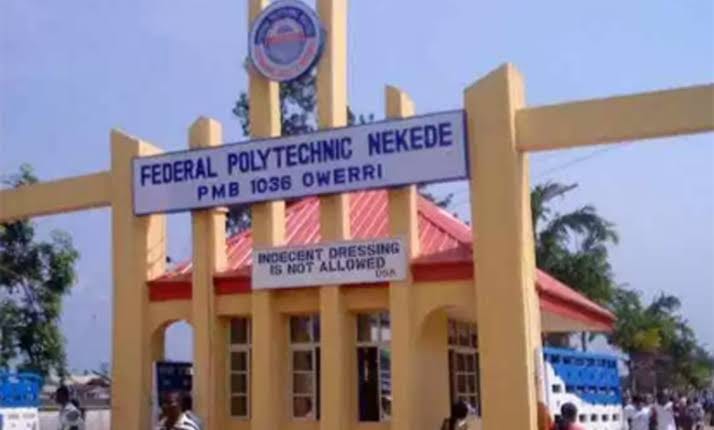
The Federal Polytechnic, Nekede, in Owerri, Imo State, is currently navigating a turbulent period marked by controversy over the recent appointment of its new rector, Dr. Basilia Igbokwe, and a looming threat of industrial action by the National Academic Staff Union of Polytechnics (ASUP). However, the situation is further complicated by internal divisions within the local chapter of ASUP at Nekede (ASUPNek) and the broader polytechnic community, creating a complex web of conflicting interests and perspectives. While the national body of ASUP has called for a strike, local union leaders, former ASUP chairmen, and other staff associations within the polytechnic have publicly distanced themselves from the planned action.
At the heart of the dispute lies the appointment of Dr. Igbokwe as the 9th substantive rector. The national ASUP leadership has raised concerns about the selection process, alleging irregularities and non-compliance with established guidelines. This contention forms the basis for their call for a nationwide strike, impacting several polytechnics, including Oko Polytechnic, Anambra, Okana, Nwanune, and Nekede. Stanley Nwadike, the chairman of ASUPNek, echoed these concerns, stating that the industrial action was necessary to address grievances regarding the rector appointments and the alleged violation of established protocols. He further claimed that failing to strike would jeopardize the unions’ standing and leave them vulnerable to management pressure.
However, a significant faction within the Nekede polytechnic community has rejected the national ASUP’s call for a strike and directly challenged Nwadike’s authority. Dr. Anayo Uhiara, speaking on behalf of former ASUPNek chairmen and the institution’s academic staff congress, categorically stated that they were not participating in the planned strike. They argue that the ASUPNek chapter did not receive proper authorization from its congress to collaborate with the national leadership in petitioning against Dr. Igbokwe’s appointment. Furthermore, they accuse Nwadike of acting unilaterally and without the support of the local chapter’s members.
The internal dissent within ASUPNek has escalated to the point of a vote of no confidence against Nwadike by five out of nine members of his executive committee. This internal conflict, stemming from Nwadike’s alleged refusal to dissociate the local chapter from the national body’s actions against the rector’s appointment, further underscores the deep divisions within the union. Consequently, former ASUPNek chairmen have assumed interim leadership of the chapter pending resolution of the crisis. They have also taken control of the union’s assets and suspended the deduction of union dues, effectively freezing Nwadike’s operational capacity.
The contrasting narratives presented by the national ASUP leadership, the embattled ASUPNek chairman, and the dissenting faction within the polytechnic create a layered and complex situation. The national body alleges procedural breaches in the rector’s appointment, justifying their strike call. Nwadike supports this position, framing the strike as crucial for protecting the unions’ interests. However, the local opposition, represented by Uhiara and other staff associations, disputes these claims, arguing that the appointment process was transparent and that Nwadike lacks the mandate to call for a strike. This internal rift within ASUPNek further weakens the impact of the national body’s call for industrial action.
The events unfolding at the Federal Polytechnic, Nekede, highlight a multifaceted struggle for power and influence. The national ASUP’s attempt to exert its authority by calling for a strike based on alleged procedural irregularities appears to have backfired, facing strong resistance from within the very institution they aim to influence. The internal conflict within ASUPNek, culminating in a vote of no confidence against its chairman, further complicates the situation and undermines the national body’s leverage. The dissenting faction’s actions, including taking control of union assets and suspending dues, demonstrate a resolute stance against the national body’s intervention and effectively isolate Nwadike. This localized rebellion against the national union underscores the complex dynamics at play and casts doubt on the effectiveness and legitimacy of the planned strike action within the Nekede polytechnic community. The institution now faces a period of uncertainty as it grapples with these internal divisions and the potential disruption posed by the national strike call, while simultaneously navigating the challenges of integrating a new rector under contentious circumstances.









