









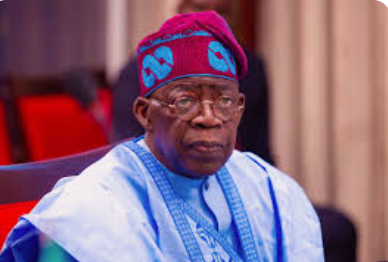
President Bola Tinubu’s New Year’s Day address to the nation, intended to soothe anxieties amidst economic hardship, has sparked a mixed reaction from the political landscape. While the President urged Nigerians to disregard distractions and emphasized his administration’s commitment to delivering democratic dividends, opposition parties expressed divergent views on the feasibility of his promises and the timeline for economic recovery.
The Labour Party, despite being in the opposition, adopted a cautious yet optimistic stance. Umar Farouk, the National Secretary, acknowledged the prevailing hardship but advocated for giving President Tinubu the benefit of the doubt. Farouk emphasized the importance of prayer and hope, suggesting Nigerians should patiently await the manifestation of Tinubu’s promised relief. He expressed the belief that 2025 could mark the turning point when the benefits of endured hardship will begin to materialize. Echoing this sentiment, Deputy National Chairman Ayo Olorunfemi stressed the need for collective prayer and hope, emphasizing the shared fate of Nigerians in the “boat” of the nation. He underscored the necessity of robust institutions free from external influence to foster public confidence and facilitate progress.
However, the African Democratic Congress (ADC) struck a more critical tone. National Chairman Ralph Nwosu disputed the feasibility of a quick economic turnaround, estimating a minimum of six years for recovery from the implemented reforms, particularly the fuel subsidy removal. He argued that genuine reassurance requires tangible evidence of groundwork and foundation-laying, rather than mere pronouncements. Nwosu criticized Tinubu’s initial campaign promises, suggesting they have not been reflected in his actions so far.
This divergence in opinions underscores the complexities of the Nigerian economic landscape and the varying perspectives on the President’s approach. While some advocate for patience and faith in the government’s efforts, others demand more concrete evidence of progress and a realistic timeline for recovery. The debate highlights the political tightrope that Tinubu must navigate as he seeks to address the nation’s economic challenges while maintaining public trust. The differing viewpoints also represent the broader political spectrum where optimism, skepticism, and outright criticism coexist.
The Labour Party’s stance, despite being the main opposition party following the disputed election results, can be interpreted as a strategic move to avoid appearing overly critical or obstructionist. By expressing measured optimism, they position themselves as a responsible opposition that prioritizes national interest while holding the government accountable. This approach may resonate with a segment of the population that is weary of constant political conflict and yearns for stability and progress.
Conversely, the ADC’s more critical stance reflects a different approach to opposition politics. By openly challenging the government’s narrative and timeline, they aim to hold President Tinubu’s feet to the fire and demand greater transparency and accountability. This approach resonates with those who are deeply skeptical of the government’s promises and demand evidence of concrete action. The ADC’s emphasis on the long-term implications of economic reforms highlights the need for a comprehensive and sustainable approach, rather than quick fixes or political rhetoric.
Furthermore, the debate underscores the challenge of predicting economic outcomes, particularly in a complex and dynamic environment like Nigeria. The six-year timeframe proposed by the ADC reflects the intricate interplay of various factors, including global economic trends, domestic policies, and unforeseen events. The Labour Party’s more optimistic outlook, while acknowledging the hardship, reflects a belief in the government’s ability to implement effective policies and stimulate economic growth.
Ultimately, the divergent views on President Tinubu’s economic policies highlight the democratic process at work. The public discourse and debate surrounding the government’s actions are crucial for holding elected officials accountable and ensuring that policies are aligned with the needs and aspirations of the people. As the nation grapples with economic challenges, the ongoing dialogue between the government and the opposition, as well as the diverse opinions within the public sphere, will play a vital role in shaping the future direction of the country. The contrasting perspectives offer a valuable opportunity to assess the potential risks and benefits of different approaches and forge a path towards sustainable economic recovery. It remains to be seen whether the government’s policies will yield the desired results and whether the public’s patience will endure as the economic situation unfolds.









