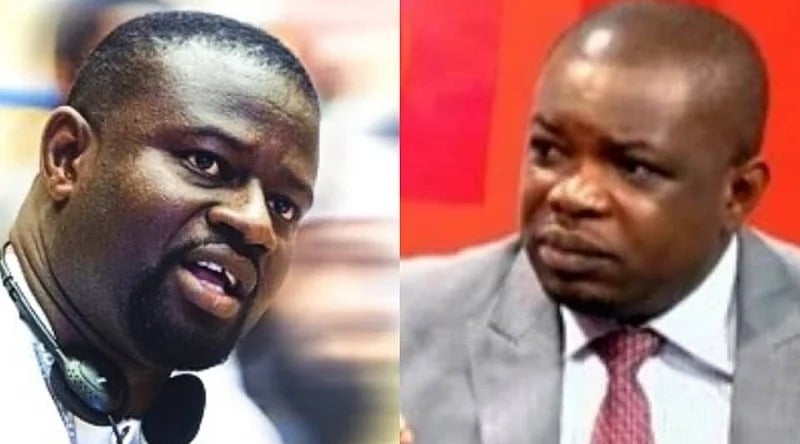
Frank Annoh-Dompreh, the Member of Parliament for Nsawam-Adoagyiri and Chief Whip of the New Patriotic Party (NPP) caucus, recently addressed allegations made by his counterpart from the National Democratic Congress (NDC), Kwame Governs Agbodza. Agbodza expressed concerns about Annoh-Dompreh arriving at Parliament before the official start time of 8 a.m., finding it unusual that he was already seated in the front row. This kind of criticism speaks to the intense scrutiny that parliamentarians often find themselves under, especially when political rivalries come into play. The situation raises questions about parliamentary etiquette, adherence to schedules, and the responsibilities inherent in the role of a whip.
In defense of his actions, Annoh-Dompreh emphasized that his early arrival is integral to his job as Chief Whip. He argued that such diligence is necessary to ensure that parliamentary operations run smoothly before the sessions commence. His argument rests on the principle that effective preparation and oversight are crucial for his role, stating, “For anybody to say that I connived is a wild thing. I came here as part of my duties.” This response indicates a commitment to his responsibilities, suggesting that the timing of his arrival is more about professional obligation than any attempt to circumvent protocol.
Moreover, Annoh-Dompreh highlighted that arriving early is a consistent practice for him, thereby countering the notion that this was an anomalous situation. “It’s not only today that I come early; I do that all the time,” he explained, making it clear that his actions are routine rather than calculated or mischievous. This consistency in behavior may serve to illustrate his dedication and contrastingly, provides a lens through which to view the allegations as politically motivated rather than legitimate concerns about parliamentary conduct.
In his response, Annoh-Dompreh also took the opportunity to advise Agbodza on the behaviors that come with the role of a whip, suggesting that humility and a willingness to learn from experience are essential traits. He pointed out their differences in seniority, saying, “I was a whip before he became one. There are lessons I need to teach him.” This statement not only reinforces his authority within parliamentary ranks but also contributes to the broader narrative of mentorship and the importance of experience in legislative roles.
The implications of this exchange extend beyond the individual personalities involved. It serves to illustrate the tense environment in which Ghanaian parliamentarians operate, where every action is often subject to scrutiny and can quickly become a matter of public debate. The exchange also reflects the political culture where rival parties may look for opportunities to criticize each other, even over seemingly minor actions such as an early arrival to a parliamentary session. Such dynamics can continue to affect the relationships and workings within Parliament, influencing how agendas are pushed and collaborative efforts among members.
In conclusion, the controversy surrounding Frank Annoh-Dompreh’s early arrival in Parliament embodies the complexities and nuances of political life in Ghana. His defense underscores the importance of diligence and responsibility in parliamentary roles, while his critique of Agbodza serves as a reminder of the generational and experiential divides within legislative functions. As debates and discussions in Parliament continue, these interactions will inevitably shape perceptions about governance and the efficacy of political leaders in serving their constituents and fulfilling their duties.