









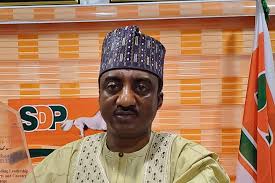
The Social Democratic Party (SDP) in Nigeria plunged into a tumultuous leadership crisis, marked by physical violence and accusations of financial misconduct. The conflict erupted at the party’s national secretariat in Abuja when suspected thugs disrupted a press briefing and assaulted journalists, allegedly acting on behalf of the embattled National Chairman, Alhaji Musa Gabam. The violence followed an announcement by a faction of the party’s National Working Committee (NWC) suspending Gabam, along with the National Auditor and National Youth Leader, over allegations of financial impropriety, including unauthorized financial transactions, personal enrichment schemes, and the movement of party funds without proper approval.
The NWC’s statement, issued by National Publicity Secretary Araba Aiyenigba, detailed the alleged misconduct, citing “overwhelming evidence” linking the suspended officials to the misappropriation of funds. A key trigger for the crisis appeared to be Gabam’s submission of an unauthorized financial statement to the Independent National Electoral Commission (INEC) and the subsequent publication of a summary of suspect accounts in the media. This action raised alarm within the party, leading the NWC to report the matter to law enforcement agencies and initiate an internal investigation. Emphasizing the party’s “zero tolerance for corruption and abuse of office,” the NWC appointed Deputy National Chairman (North), Dr Sadiq Umar Abubakar, as acting National Chairman pending the outcome of the investigation. An interim investigative panel was also established to audit all financial records, particularly transactions related to proceeds from nomination forms sold during the 2023 general elections, and recommend potential legal action against anyone found culpable.
Gabam vehemently denied the allegations and his suspension, characterizing them as “fake news” orchestrated by political opponents seeking to destabilize the party. In a press conference held at the party secretariat, Gabam, flanked by some NWC members, insisted he remained the legitimate chairman, claiming no official NWC meeting had taken place to authorize his suspension. He attributed the crisis to a political coalition working with disgruntled elements within the SDP to either seize control of the party or destroy it entirely, portraying the SDP as a perceived threat due to its growing strength and resistance to manipulation. Gabam further revealed that unauthorized attempts were made to convene an NWC meeting without his knowledge, a request that was ultimately rejected by INEC due to the lack of his signature.
The embattled chairman cautioned against the dangerous implications of such political power plays, urging President Bola Tinubu to intervene and prevent the misuse of security agencies for political intimidation. He argued that suppressing dissenting voices threatened democracy and that using security agencies to settle political scores harmed not only him and the SDP but the entire nation. Gabam maintained his innocence regarding the financial mismanagement allegations, asserting that all financial transactions under his leadership were properly documented. The escalating conflict within the SDP highlighted the internal struggles and power dynamics within the party, particularly in light of its potential role as a platform for challenging the ruling party in future elections.
The incident at the SDP secretariat underscored the volatility of the political landscape in Nigeria. Allegations of financial impropriety are not uncommon in the country’s political sphere, and the SDP crisis reflected the broader challenges of transparency and accountability within political parties. The alleged involvement of thugs and the assault on journalists further raised concerns about the use of violence and intimidation in political disputes. The unfolding events within the SDP also highlighted the potential for internal divisions to weaken political parties, potentially impacting their ability to effectively participate in the democratic process.
The SDP, prior to this crisis, was considered a potential vehicle for opposition groups aiming to challenge President Tinubu in the 2027 elections. The arrival of prominent figures like former Kaduna State Governor Nasir El-Rufai, who joined the SDP after a fallout with the ruling All Progressives Congress (APC), fueled speculation about the party’s growing influence and its potential to become a significant force in Nigerian politics. However, the internal conflict and allegations of financial misconduct threatened to undermine the party’s credibility and stability, raising questions about its future prospects. The investigation and subsequent actions taken by the interim leadership will be crucial in determining the long-term impact of this crisis on the SDP and its role in the Nigerian political landscape.









