









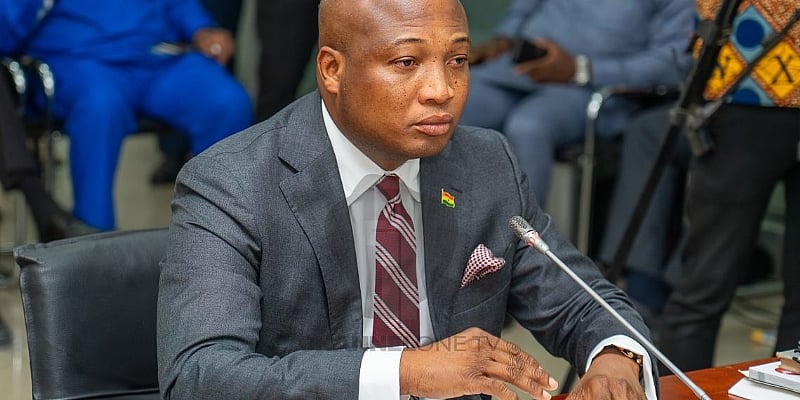
The Ghanaian Ministry of Foreign Affairs, under the leadership of Minister Samuel Okudzeto Ablakwa, is embarking on a comprehensive overhaul of its passport processing and issuance system, aimed at clearing a significant backlog of uncollected passports and tightening controls on diplomatic passports. The most immediate concern is the staggering 70,000 unclaimed passports languishing in the system. To rectify this, the Ministry is launching a nationwide courier service to ensure these documents reach their rightful owners. This initiative will be underpinned by a thorough audit to identify applicants and verify their contact information. Where addresses are available, applicants will be contacted directly, and the passports will be delivered to their specified locations. This proactive approach signifies a shift from the traditional method of requiring applicants to physically collect their passports, which has evidently contributed to the current backlog. This courier system represents a significant investment in improving service delivery and citizen convenience.
Beyond addressing the immediate backlog, Minister Ablakwa has underscored the Ministry’s commitment to modernizing its passport operations. A key component of this modernization effort is the implementation of a digitized system. This digital transformation will streamline the entire passport application process, from initial submission to final issuance. By eliminating manual processes and introducing automated workflows, the Ministry aims to significantly reduce processing times and enhance overall efficiency. This digital transition reflects a broader government initiative to leverage technology to improve public services and reduce bureaucratic bottlenecks. The expectation is that this modernized system will not only expedite the processing of new passport applications but also prevent future backlogs by creating a more agile and responsive system.
The issue of Diplomatic Passports has also come under scrutiny. Minister Ablakwa expressed concern over lax issuance practices, emphasizing that these documents should be exclusively reserved for bona fide government officials and foreign service personnel. He highlighted the importance of safeguarding the integrity of these passports, which serve as symbols of the nation’s sovereignty and grant holders certain privileges and immunities abroad. The indiscriminate issuance of diplomatic passports can undermine the country’s international standing and potentially facilitate illicit activities. To address this critical concern, the Ministry will undertake a comprehensive review of the entire diplomatic passport issuance system.
This review will involve a thorough assessment of current procedures, identification of vulnerabilities, and implementation of stricter controls to prevent misuse. The objective is to ensure that diplomatic passports are issued only to individuals who genuinely require them for official government business. This strengthened oversight will also contribute to greater transparency and accountability in the management of these sensitive documents. The Ministry’s commitment to reforming the diplomatic passport regime reflects a broader commitment to upholding the highest standards of integrity and professionalism in its operations.
The planned reforms extend beyond just technological upgrades and procedural revisions. They also encompass a renewed focus on customer service and accessibility. The Ministry recognizes the importance of providing applicants with clear and timely communication throughout the passport application process. This includes providing updates on the status of their applications, responding promptly to inquiries, and offering accessible channels for feedback and complaint resolution. By enhancing communication and responsiveness, the Ministry aims to build greater trust and confidence among citizens in its services.
In conclusion, Minister Ablakwa’s announced reforms represent a significant step towards modernizing and streamlining Ghana’s passport system. The planned initiatives, including the introduction of a courier system, digitization of operations, and a comprehensive review of diplomatic passport issuance, are designed to address the current backlog, improve efficiency, enhance security, and ultimately provide citizens with a more convenient and reliable passport service. These efforts underscore the Ministry’s commitment to leveraging technology, strengthening internal controls, and prioritizing customer service in its pursuit of delivering world-class public services. The success of these reforms will not only benefit individual citizens but also contribute to enhancing Ghana’s image and standing on the international stage.









