









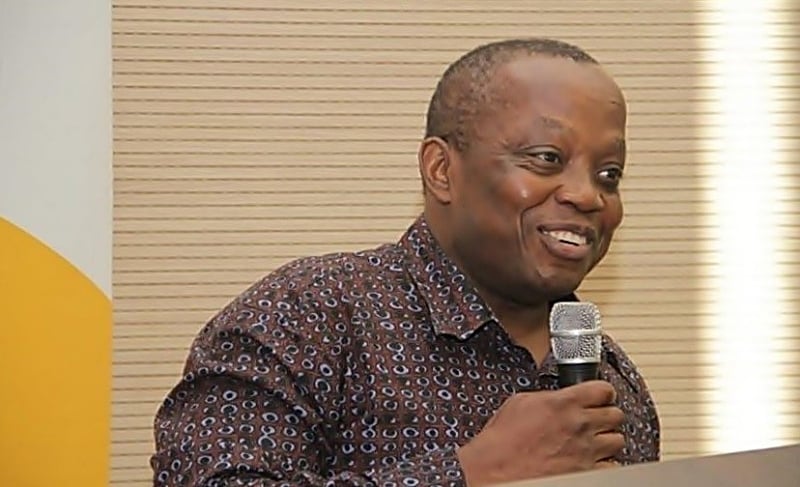
Daniel Yao Domelevo, the former Auditor-General of Ghana, has issued a cautionary message to the incoming administration of John Mahama, urging them not to become complacent despite their significant electoral victory. Domelevo emphasized that the substantial majority secured by the National Democratic Congress (NDC) in the parliament represents a mandate from the people to implement beneficial policies and enact good governance. He stressed that this majority should not be misused to push through legislation that does not serve the interests of the Ghanaian populace. Instead, he called on Mahama to prioritize constitutional and legal amendments that would strengthen governance and accountability across the country. This call for responsible governance underscores the importance of using the electoral victory to serve the public good rather than partisan interests.
Domelevo’s call for reform extends beyond legislative practices. He particularly highlighted the need to separate the office of the Attorney General from that of the Minister of Justice. Currently, these two distinct roles are combined, creating a potential conflict of interest. Domelevo argued that this dual role makes it virtually impossible to hold the Attorney General accountable for decisions made as part of the cabinet, as this would require one cabinet minister to hold another accountable. This structural issue, he asserted, undermines the principle of accountability and needs to be addressed to ensure impartiality and transparency within the justice system. Separating these roles, he argues, would create a more robust check on executive power and enhance the integrity of legal processes.
Furthermore, Domelevo emphasized the urgency of action, urging the Mahama administration to immediately embark on fulfilling campaign promises, particularly the recovery of misappropriated funds. He underscored that there is no time for a post-election “honeymoon” period and that the new government must “hit the ground running.” He acknowledged Mahama’s previous experience as president, expressing confidence in his ability to take swift and decisive action. This sense of urgency, according to Domelevo, is crucial to preventing further dissipation of public resources and demonstrating a commitment to addressing corruption from the outset.
Expanding on the need for immediate action, Domelevo articulated the importance of commencing the recovery of looted funds without delay. This campaign promise, he stressed, resonated deeply with the electorate and must be prioritized. He emphasized that swift action is crucial to prevent the further transfer of these funds out of the country, thereby making their recovery significantly more challenging. This focus on immediate action reflects the understanding that delays can facilitate the concealment and dissipation of stolen assets, thereby undermining the efforts to recover them and hold those responsible accountable.
The overarching message conveyed by Domelevo is a call for responsible governance, accountability, and urgent action. He urged the incoming Mahama administration to recognize the electoral victory as a mandate for positive change and to prioritize the interests of the Ghanaian people. The separation of the Attorney General and Minister of Justice roles, coupled with the swift recovery of looted funds, are highlighted as key steps towards fulfilling this mandate. These reforms, according to Domelevo, are not merely procedural adjustments, but essential steps towards building a more transparent, accountable, and ultimately more just society in Ghana.
In essence, Domelevo’s message serves as a timely reminder of the responsibilities that accompany electoral success. He cautions against complacency, emphasizing the need for the incoming administration to actively pursue the reforms promised during the campaign. This proactive approach, coupled with a commitment to transparency and accountability, he argues, is crucial to rebuilding public trust and ensuring that the electoral victory translates into tangible benefits for the citizens of Ghana. The emphasis on immediate action and systemic reforms underscores the importance of not just winning elections, but governing effectively and responsibly in the service of the people.









