









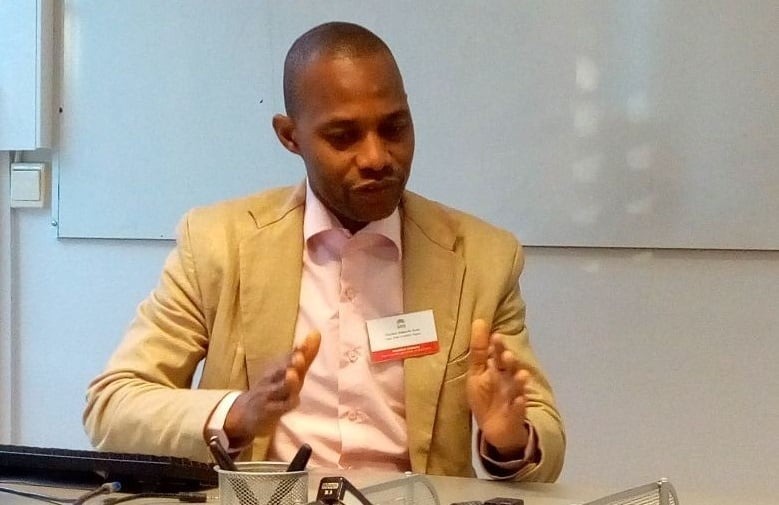
The inauguration of the African Chapter of the UNESCO Media and Information Literacy and Intercultural Dialogue (MILID) University Network marks a significant step towards empowering the continent to address its unique challenges through localized solutions. Dr. Olunifesi Suraj, a lecturer at the University of Lagos and a driving force behind this initiative, emphasizes the importance of harnessing African ingenuity and resources to chart a path towards sustainable development. He argues that relying solely on external interventions often fails to adequately address the complexities of the African context. The network, operating under the umbrella of UNESCO, aims to leverage media and information literacy as a key strategy for fostering critical thinking, promoting intercultural understanding, and combating misinformation, thereby enabling informed decision-making and active participation in democratic processes.
The establishment of the African Chapter of the UNESCO MILID University Network stems from a growing recognition of the need for a continent-specific approach to development. While global partnerships remain crucial, Suraj advocates for a shift towards local ownership and adaptation of global solutions. This approach, encapsulated in the concept note “Africa We Want,” underscores the importance of tailoring interventions to the specific cultural, social, and economic realities of African nations. The network seeks to consolidate existing media and information literacy initiatives across the continent, creating a unified platform for collaboration, knowledge sharing, and the development of context-relevant strategies. By strengthening local capacities and fostering regional cooperation, the network aims to empower African communities to address their own challenges effectively.
A central focus of the African Chapter of the UNESCO MILID University Network is the promotion of information integrity in the digital age. The proliferation of misinformation and disinformation, often amplified through social media and other digital platforms, poses a serious threat to democratic processes and societal cohesion. The network aims to equip individuals with the critical thinking skills and media literacy competencies necessary to discern credible information from fabricated content, thereby fostering informed decision-making and responsible online engagement. This includes addressing the growing influence of artificial intelligence and its potential implications for information dissemination and manipulation, ensuring that technological advancements are harnessed ethically and responsibly.
The network’s agenda aligns closely with the African Union’s Agenda 2063 and the United Nations Sustainable Development Goals (SDGs). By promoting media and information literacy, the network seeks to contribute to the achievement of several key development objectives, including quality education, gender equality, reduced inequalities, and peace, justice, and strong institutions. Empowering individuals with the ability to access, analyze, and utilize information effectively is essential for promoting inclusive and sustainable development. The network recognizes that informed citizens are better equipped to participate meaningfully in democratic processes, hold their leaders accountable, and contribute to the social and economic progress of their communities.
The declining trust in traditional media institutions, coupled with the rise of alternative news sources and social media platforms, presents a complex challenge for information integrity. The African Chapter of the UNESCO MILID University Network seeks to address this issue by promoting media literacy education that equips individuals with the skills to critically evaluate information sources, identify biases, and understand the media landscape. By fostering a more discerning and informed citizenry, the network aims to strengthen trust in credible media outlets and mitigate the spread of misinformation. This includes promoting dialogue and collaboration between media professionals, academics, and civil society organizations to enhance media accountability and professionalism.
The inauguration of the African Chapter of the UNESCO MILID University Network represents a crucial step towards empowering African communities to navigate the complex information landscape of the 21st century. By prioritizing local ownership, fostering regional cooperation, and promoting media and information literacy, the network aims to contribute significantly to the achievement of sustainable development goals and the realization of the “Africa We Want” vision. This initiative recognizes that informed and empowered citizens are essential for building resilient, democratic, and prosperous societies across the continent. Through its focus on information integrity, critical thinking, and intercultural dialogue, the network seeks to lay the groundwork for a more informed, engaged, and empowered African citizenry capable of shaping its own destiny.









