





Revitalizing the New Patriotic Party (NPP): A Call for Comprehensive Restructuring and Rededication to Equitable Transformation
The New Patriotic Party (NPP) stands at a critical juncture, facing the urgent need for comprehensive restructuring to reclaim its position as a dominant force in Ghanaian politics. Following a disappointing performance in recent elections, the party must embark on a journey of self-reflection and reform to address internal weaknesses, reconnect with its core values, and regain the trust of the electorate. This revitalization effort must be guided by a renewed commitment to equitable transformation and a genuine desire to serve the best interests of the Ghanaian people.
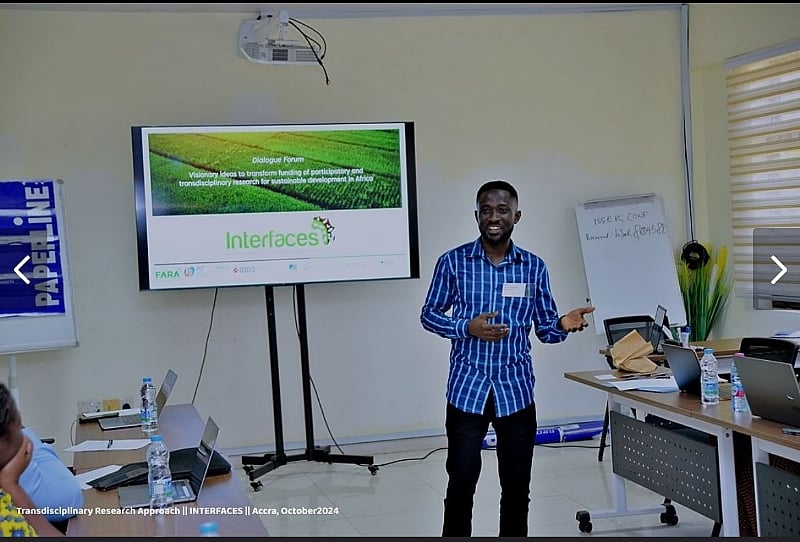
The call for restructuring echoes the concerns of Dr. Peter Asare-Nuamah, a lecturer at the University of Environment and Sustainable Development, who emphasizes the necessity of pragmatic and robust measures to prevent future electoral setbacks. He advocates for a comprehensive overhaul of the party’s structure and operations, prioritizing unity, inclusivity, and responsiveness to the needs of the constituents. Dr. Asare-Nuamah stresses the importance of abolishing the practice of imposing candidates on the electorate, both at the constituency and national levels. He argues that this practice undermines the democratic process and disenfranchises party members, ultimately contributing to electoral losses. Instead, he calls for a transparent and participatory candidate selection process that empowers local communities and reflects the will of the people.
Furthermore, Dr. Asare-Nuamah underscores the crucial role of Members of Parliament (MPs) in connecting with their constituents and addressing their concerns. He criticizes the growing trend of neglecting constituencies, warning that such detachment erodes public trust and diminishes the party’s electoral prospects. He urges MPs to prioritize effective representation, actively engaging with their constituents and championing their interests in Parliament. This renewed focus on constituent service would demonstrate the party’s commitment to serving the people and pave the way for stronger electoral performance.
The influence of money in party primaries and the delegate system is another critical issue that Dr. Asare-Nuamah addresses. He calls for an end to the monetization of these processes, arguing that it creates an uneven playing field and favors wealthy candidates over those with genuine commitment to public service. By eliminating financial barriers to participation, the NPP can attract a diverse range of candidates with fresh perspectives and a passion for serving the people. This reform would foster a more inclusive and democratic party culture, ultimately strengthening its appeal to the electorate.
Transparency and accountability are also central to Dr. Asare-Nuamah’s vision for a revitalized NPP. He advocates for an effective mechanism to ensure the efficient and transparent use of the District Assembly Common Fund. By enhancing oversight and public accountability, the party can demonstrate its commitment to good governance and responsible resource management. This commitment to transparency would resonate with voters who prioritize ethical leadership and responsible public spending.
To gain a deeper understanding of the factors contributing to the party’s recent electoral setbacks, Dr. Asare-Nuamah proposes a robust research and investigation effort. He suggests restructuring the party’s research team and equipping it with the necessary resources to conduct comprehensive analyses. He also recommends seeking the expertise of experienced researchers from academic institutions to ensure the accuracy and objectivity of the research findings. This data-driven approach would provide valuable insights into the party’s weaknesses and inform targeted interventions to address them.
The poor performance of the NPP in recent elections, according to Dr. Asare-Nuamah, serves as a stark reminder of the challenges facing the party. He urges all members to prioritize the interests of the people in governance, ensuring that decisions made at all levels, from local to national, reflect the needs and aspirations of the Ghanaian people. This renewed focus on public service, combined with the comprehensive restructuring efforts outlined above, can pave the way for the NPP to regain its footing, reconnect with the electorate, and once again emerge as a leading force in Ghanaian politics.
The revitalization of the NPP requires a collective effort, with all members working together to address the challenges facing the party. By embracing the principles of unity, inclusivity, responsiveness, transparency, and accountability, the NPP can embark on a path of renewal and reclaim its position as a champion of equitable transformation in Ghana. This journey will require honest self-reflection, difficult conversations, and a willingness to embrace change. However, the potential rewards – a stronger, more vibrant party, deeply connected to the people and committed to serving their best interests – make this effort worthwhile.
Dr. Asare-Nuamah’s call for restructuring serves as a wake-up call for the NPP. The party must heed this call and embark on a comprehensive reform process to address its internal weaknesses and regain the trust of the electorate. By prioritizing the needs of the people and demonstrating a genuine commitment to equitable transformation, the NPP can revitalize itself and once again become a force for positive change in Ghana.
The future of the NPP hinges on its ability to adapt, evolve, and reconnect with the core values that once made it a formidable political force. The party must move beyond rhetoric and embrace concrete actions that demonstrate its commitment to serving the people. By doing so, the NPP can reclaim its position as a leader in Ghanaian politics and contribute to a brighter future for all.








