








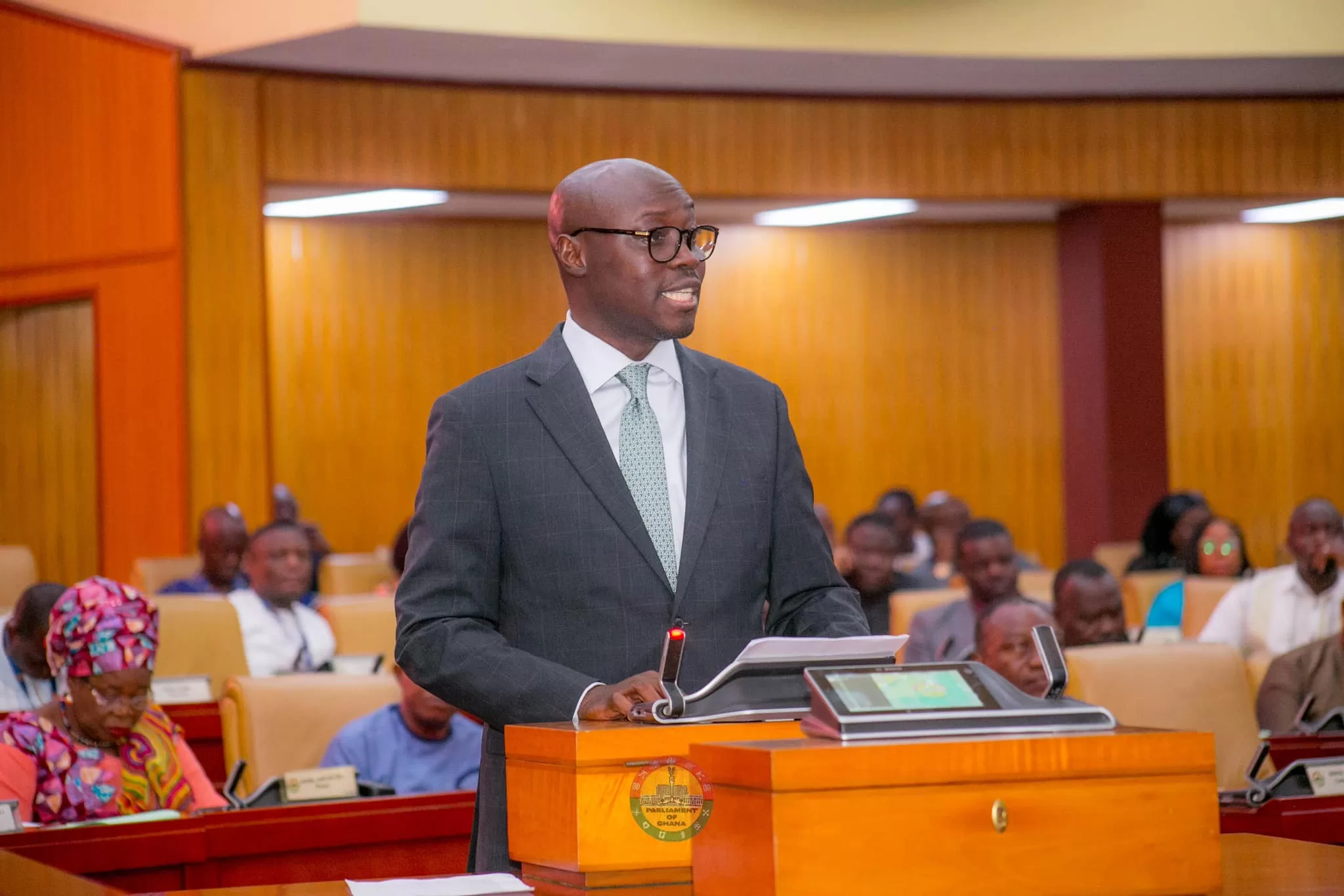
The December 7th general elections in Ghana resulted in a significant shift in political power, with the New Patriotic Party (NPP) suffering a defeat at the hands of the electorate. Cassiel Ato Forson, the Minority Leader in Parliament, attributed this outcome to a combination of factors, primarily centered around the NPP’s perceived failures in governance and economic management. He argued that the election served as a potent reminder to politicians across the spectrum that the electorate holds the ultimate power and will exercise it to reward or punish those in office based on their performance. The NPP’s loss, in Forson’s view, was a clear manifestation of widespread public dissatisfaction with the party’s track record over its recent term.
Forson’s critique of the NPP government encompassed several key areas. He highlighted what he described as “poor governance” and “economic mismanagement,” suggesting that the NPP’s policies and decisions had failed to deliver the desired outcomes for the Ghanaian people. He further accused the government of “greed, arrogance, impunity, disrespect, lawlessness, and persecution of political opponents,” painting a picture of a government detached from the needs and concerns of its citizens. These accusations, according to Forson, contributed significantly to the erosion of public trust and ultimately led to the NPP’s electoral defeat. He underscored the message sent by the electorate: that they will not tolerate being taken for granted and will hold those in power accountable for their actions.
Expanding on his criticism of the NPP’s governance, Forson pointed to specific instances of alleged corruption and nepotism within the government. He argued that these practices further alienated the government from the ordinary Ghanaian and contributed to a perception of an administration more concerned with self-enrichment than with serving the public interest. This perceived lack of accountability and responsiveness to public concerns, in Forson’s view, played a crucial role in the NPP’s downfall. He emphasized that the election results should serve as a cautionary tale for all politicians, urging them to prioritize good governance, transparency, and accountability to earn and maintain the trust of the people.
Ato Forson’s analysis of the NPP’s defeat reflects a broader sentiment expressed by many political analysts and observers. The Ghanaian economy faced significant challenges during the NPP’s tenure, including rising inflation, a depreciating currency, and increasing public debt. These economic difficulties undoubtedly contributed to public dissatisfaction and likely influenced voting patterns. Furthermore, accusations of corruption and cronyism, whether substantiated or not, can erode public trust and create a perception of an uncaring and self-serving government. Such perceptions can be particularly damaging in the lead-up to an election.
The NPP’s defeat also highlights the importance of effective communication and engagement with the electorate. A government that appears unresponsive to public concerns or dismissive of criticism risks losing the support of the people. In today’s interconnected world, where information spreads rapidly through social media and other channels, it is crucial for governments to be transparent and accountable in their actions and to actively engage with citizens to address their concerns. The NPP’s perceived failure to do so may have contributed to their electoral setback.
The outcome of the Ghanaian elections serves as a valuable case study in the dynamics of democratic accountability. It underscores the importance of good governance, economic stability, and responsiveness to public opinion in maintaining the trust and support of the electorate. The election results send a clear message to politicians across Africa and beyond: that the people hold the ultimate power and will exercise it to hold their leaders accountable. It remains to be seen how the incoming government will address the challenges facing Ghana and whether they will heed the lessons of the NPP’s defeat.









